Institutional Norms and Social Expectations: The Behavioral Foundations of Order
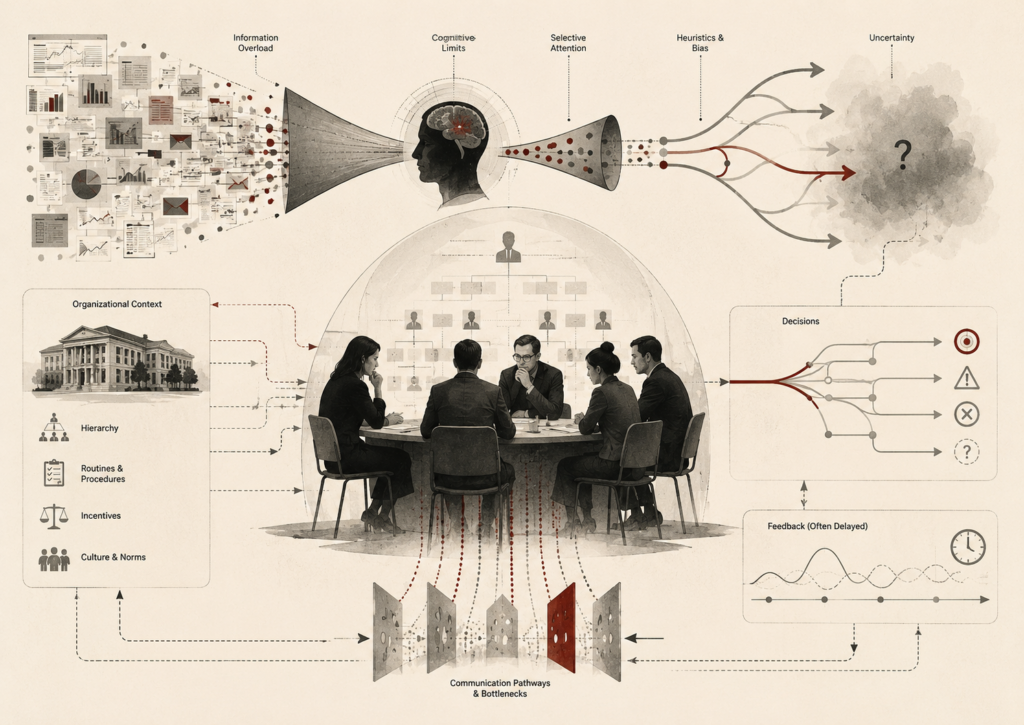
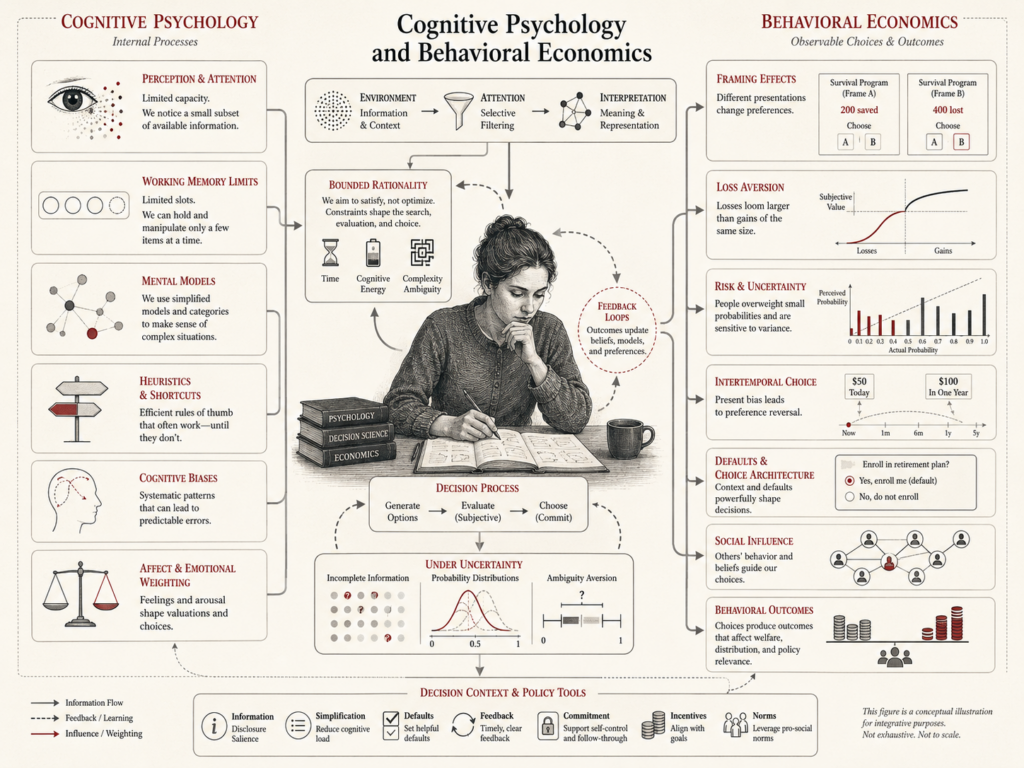
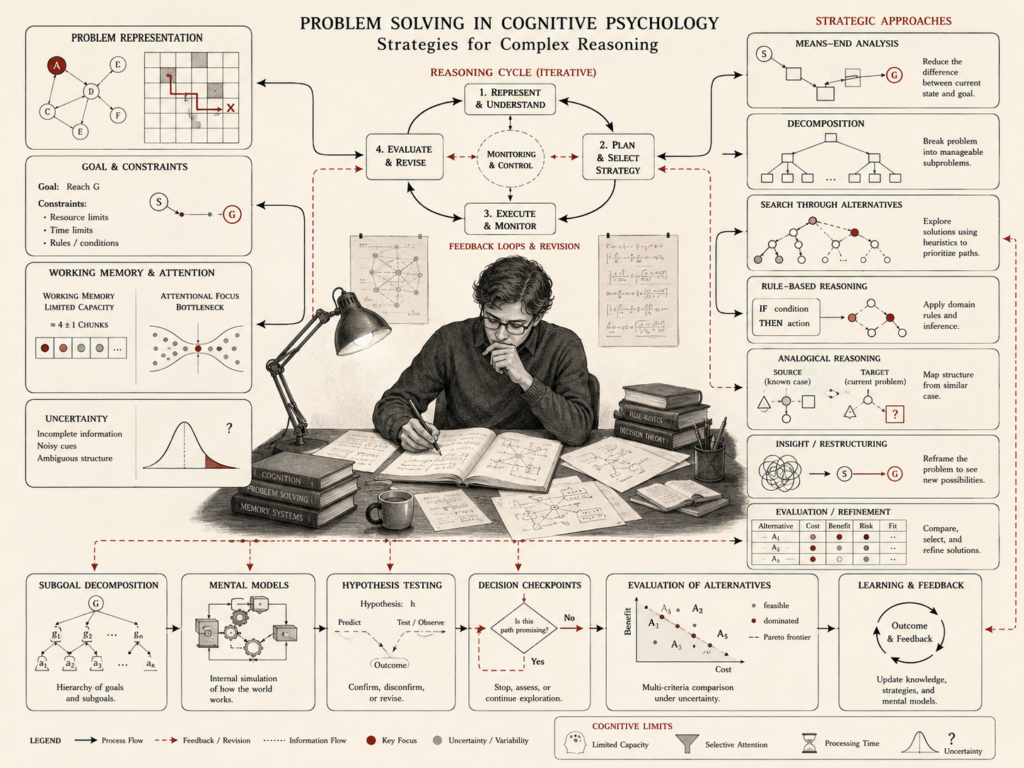
Institutional norms and social expectations examines how shared expectations make institutional order behaviorally real. This article shows why institutions do not operate through formal rules, policies, hierarchy, or enforcement alone: they depend on people knowing what conduct is expected, anticipating how others will behave, and understanding what kinds of conformity or deviation carry social meaning. It explains how norm repetition, expectation convergence, internalization, social enforcement, trust, legitimacy alignment, and role clarity sustain coordination, while fragmentation, suppressive pressure, unequal burden, and rigid expectations can weaken learning and justice. The article also foregrounds power by asking who defines “normal,” who bears the burden of conformity, and when dissent reveals institutional failure rather than deviance. Mathematical, R, Python, and GitHub-based tools model normative stability, coordination, fragile norm environments, suppressive norm systems, unequal normative burden, and norm-change readiness.