Personality Types and Personality Traits: Categorical and Dimensional Models Compared
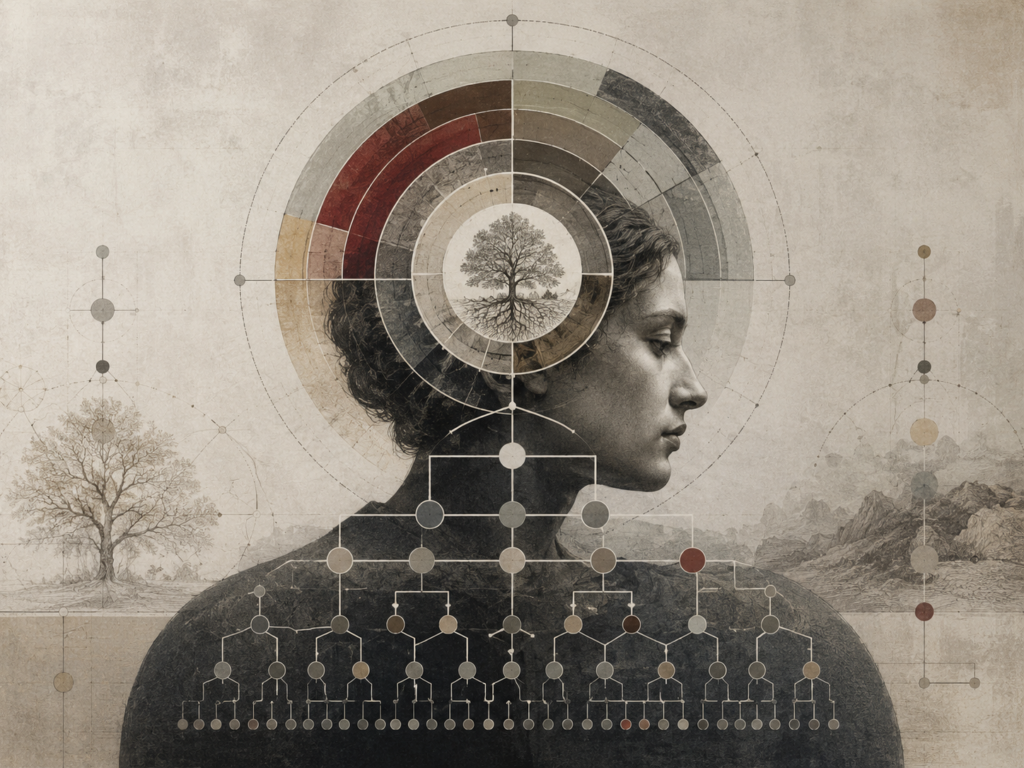
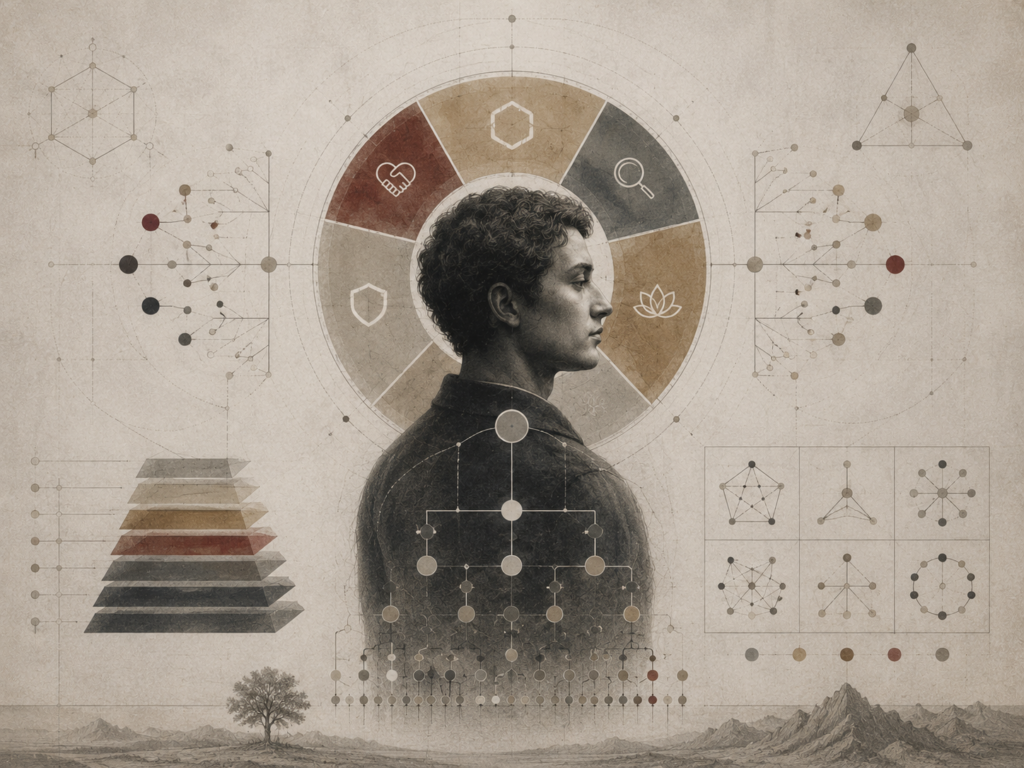
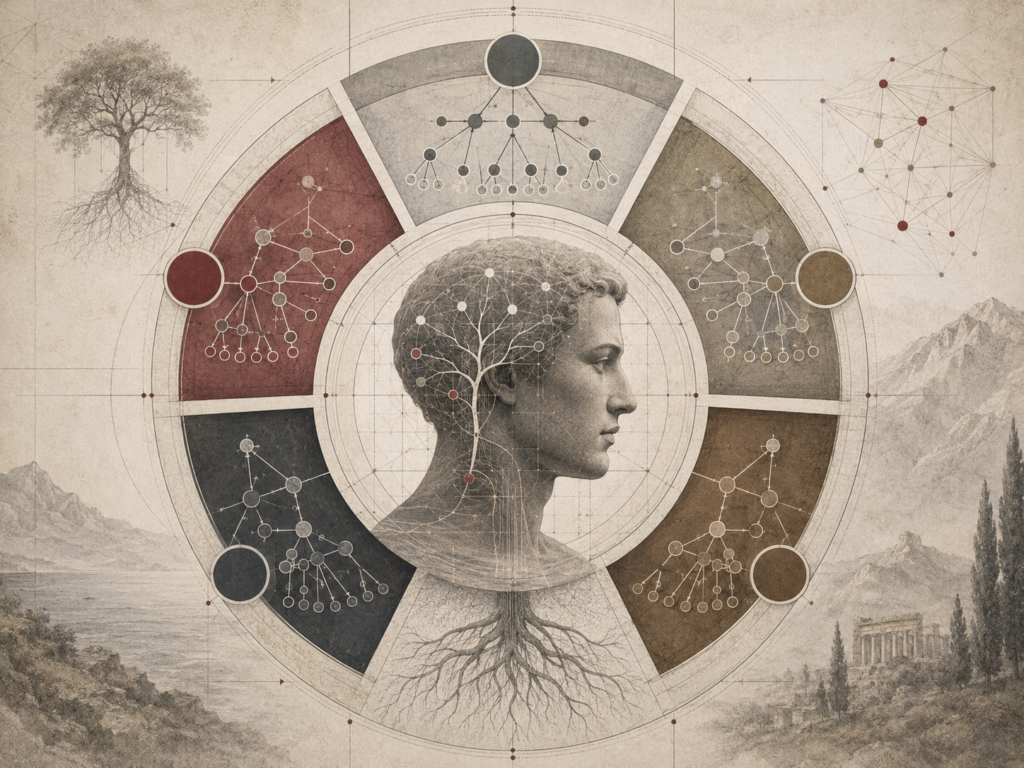
Personality types promise clarity by sorting people into recognizable kinds, while personality traits describe graded differences across continuous dimensions. This article compares these two major ways of modeling individuality, explaining why categorical approaches remain psychologically appealing even as dimensional trait models dominate modern personality science. It examines what types gain in memorability and narrative force, what they lose in precision, why traits better preserve variation and psychometric structure, and how person-centered profile methods partly bridge the divide. The result is a more serious account of the issue: not a simple rejection of type thinking, but a careful comparison of categorical and dimensional models as competing ways of representing personality, each useful for some purposes but not equally faithful to the graded nature of most human variation.