Psychodynamic Theories of Personality and the Hidden Structure of Character
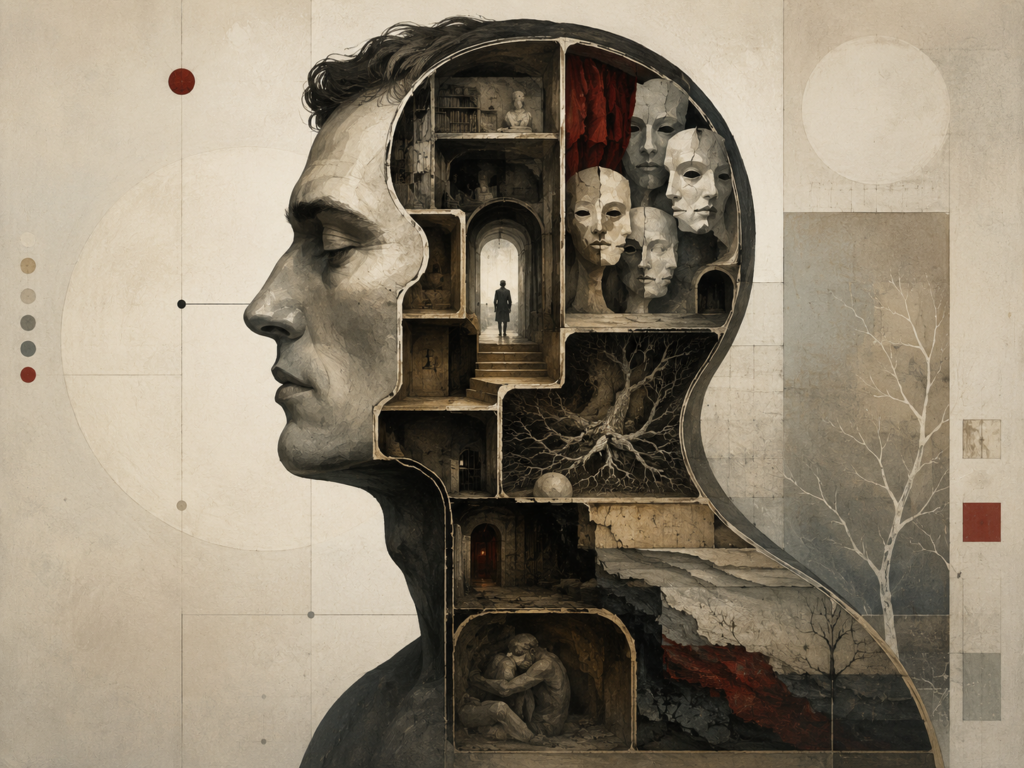
Psychodynamic theories of personality begin from the idea that character is not fully visible on the surface of behavior. This article examines the major psychodynamic traditions that treat personality as layered, conflictual, defended, and historically shaped through early relationships and unconscious organization. It explains how Freud’s conflict model, defense mechanisms, object relations, attachment-inflected developments, and self psychology each contribute to a deeper understanding of character formation. It also considers the strengths and limits of psychodynamic theory in relation to modern personality science. The result is a more serious account of personality as something structured not only by traits and motives, but by hidden conflicts, internalized relationships, and the partially unconscious architecture through which a person lives and defends the self.