Organizations as Complex Behavioral Systems
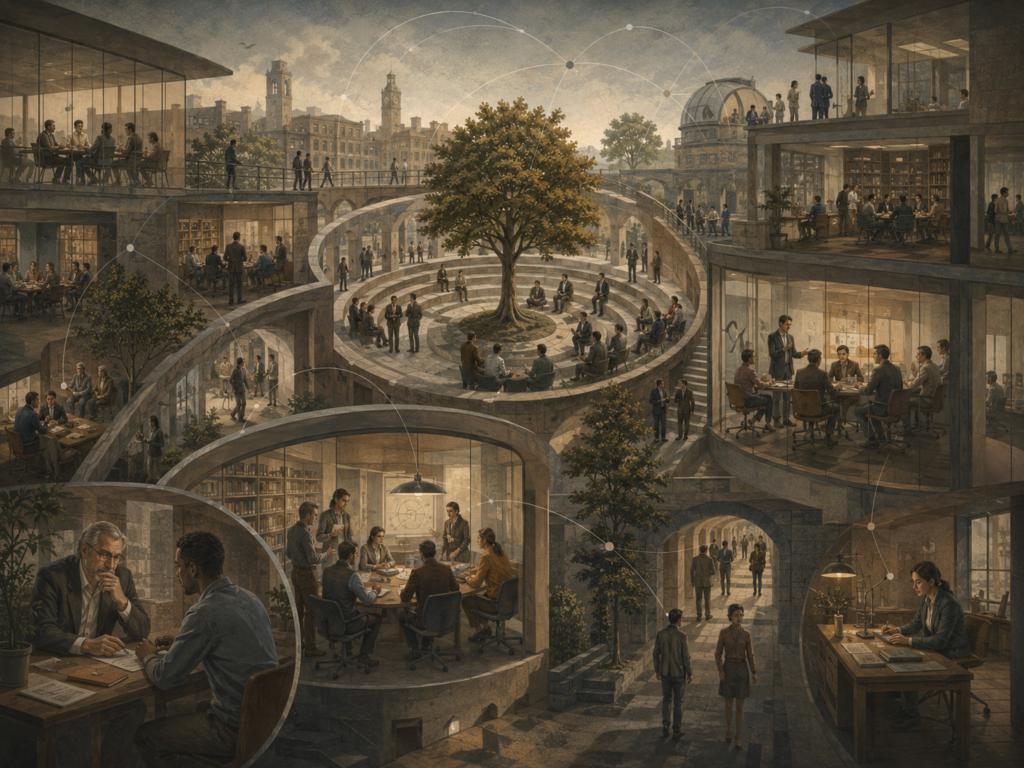
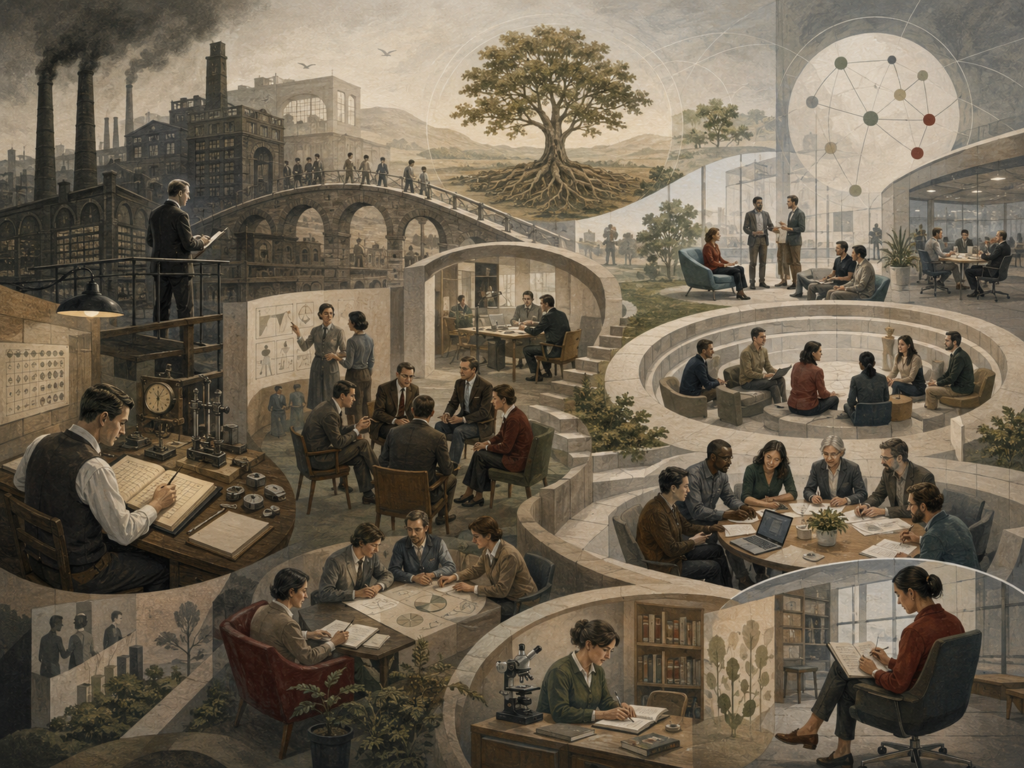
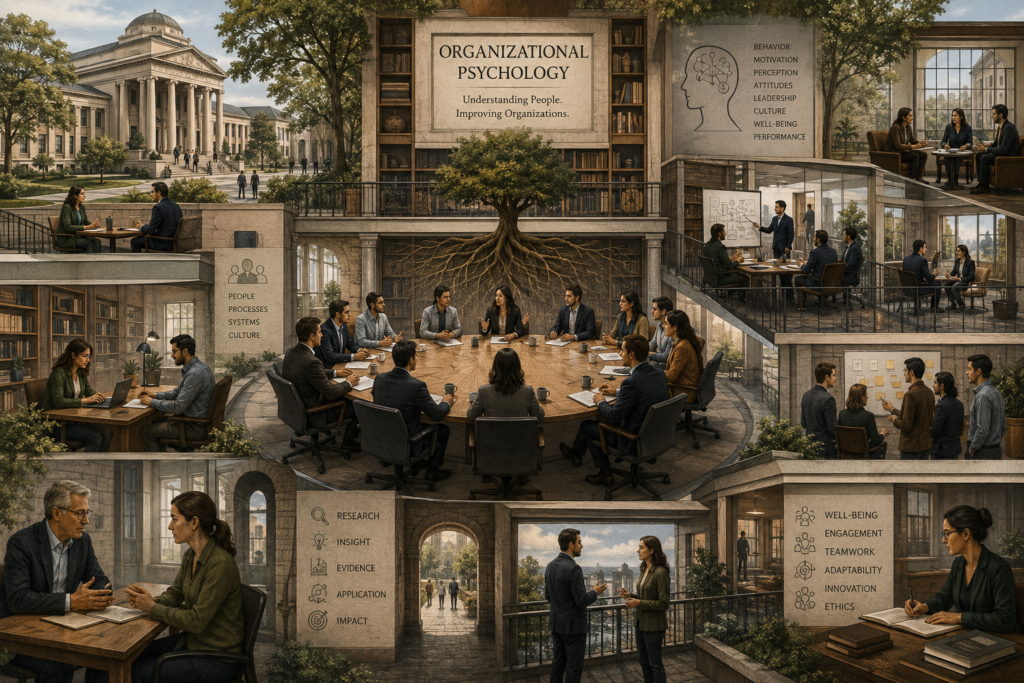
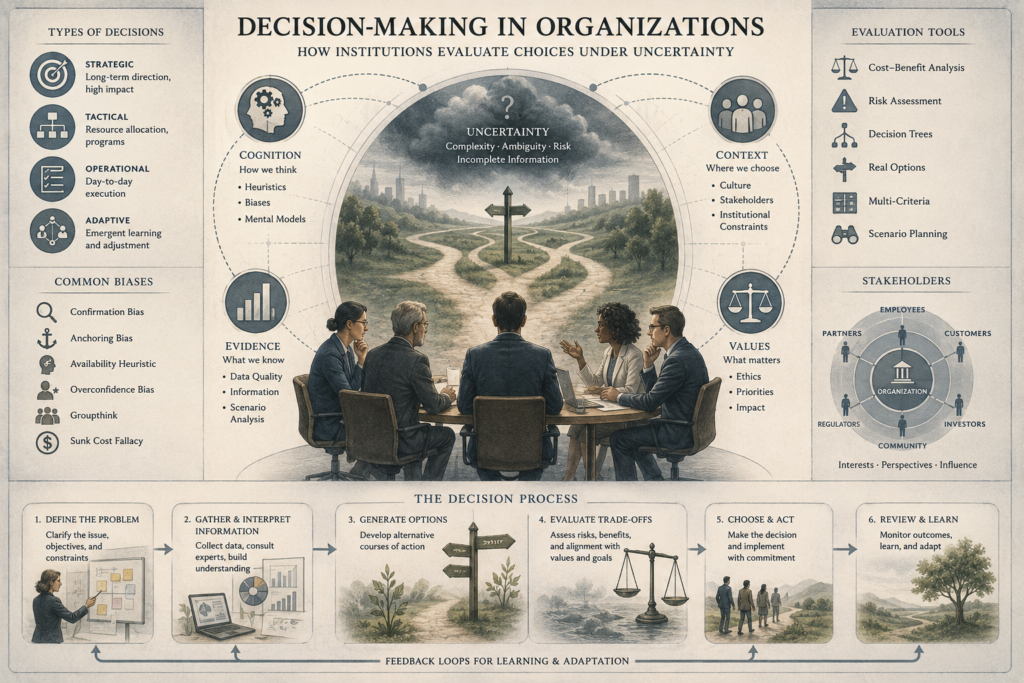
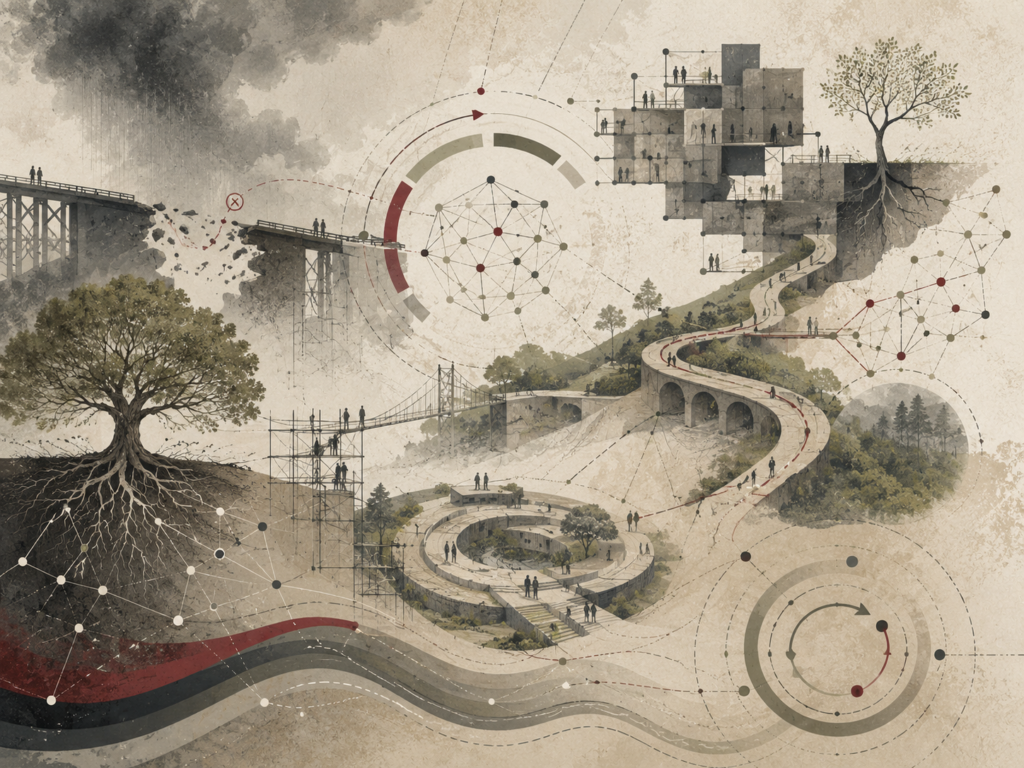
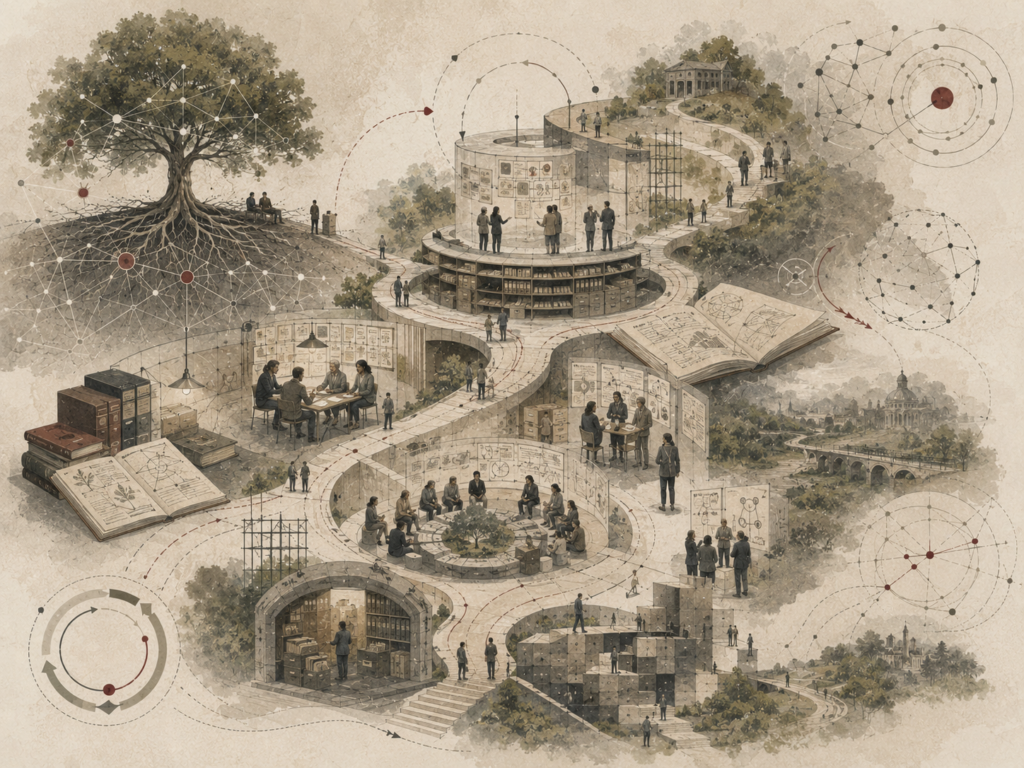
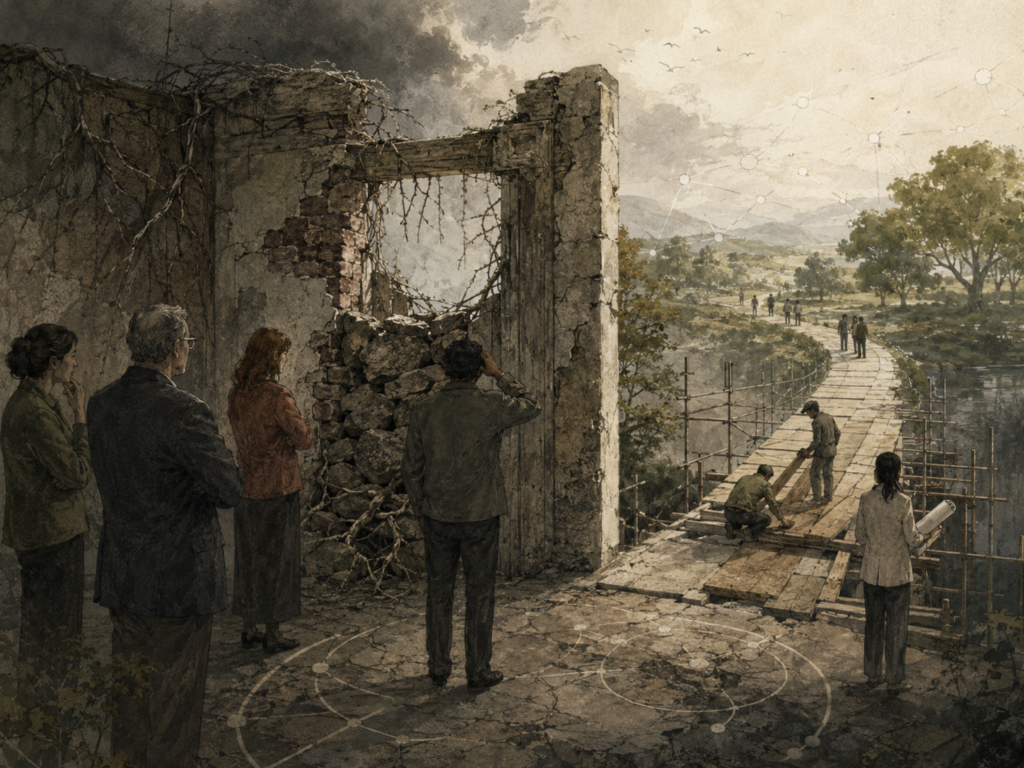
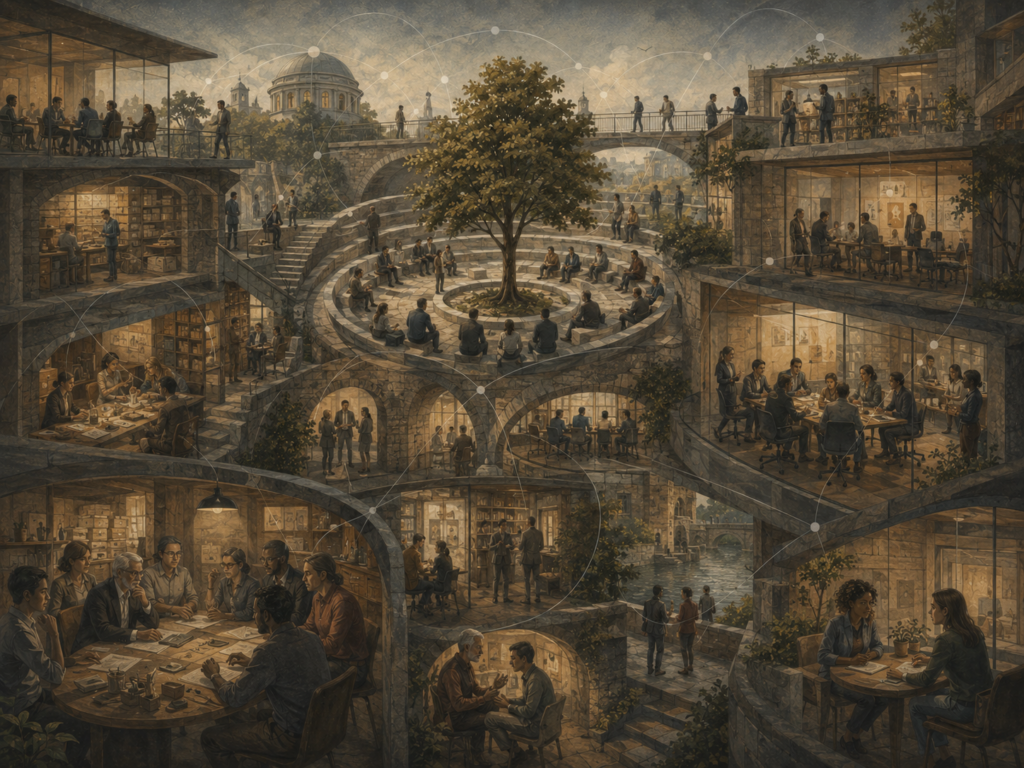
Organizations are complex behavioral systems: networks of people, roles, routines, technologies, incentives, decisions, norms, and power relations that interact over time to produce patterns no single individual fully controls. Organizational psychology studies these systems because behavior inside institutions rarely emerges from isolated personalities alone. It emerges through feedback loops between people and structures, formal rules and informal norms, leadership signals and employee interpretation, workload and motivation, culture and decision-making, and local action and system-wide consequences. A systems view helps explain why engagement, communication, trust, silence, conflict, adaptation, resilience, and failure often reflect organizational conditions rather than individual traits alone. By examining organizations as open, adaptive, multilevel systems, this article shows how work environments produce behavior—and how better-designed systems can support learning, voice, fairness, trust, resilience, and humane performance.