The Future of Behavioral Economics in Governance and Policy
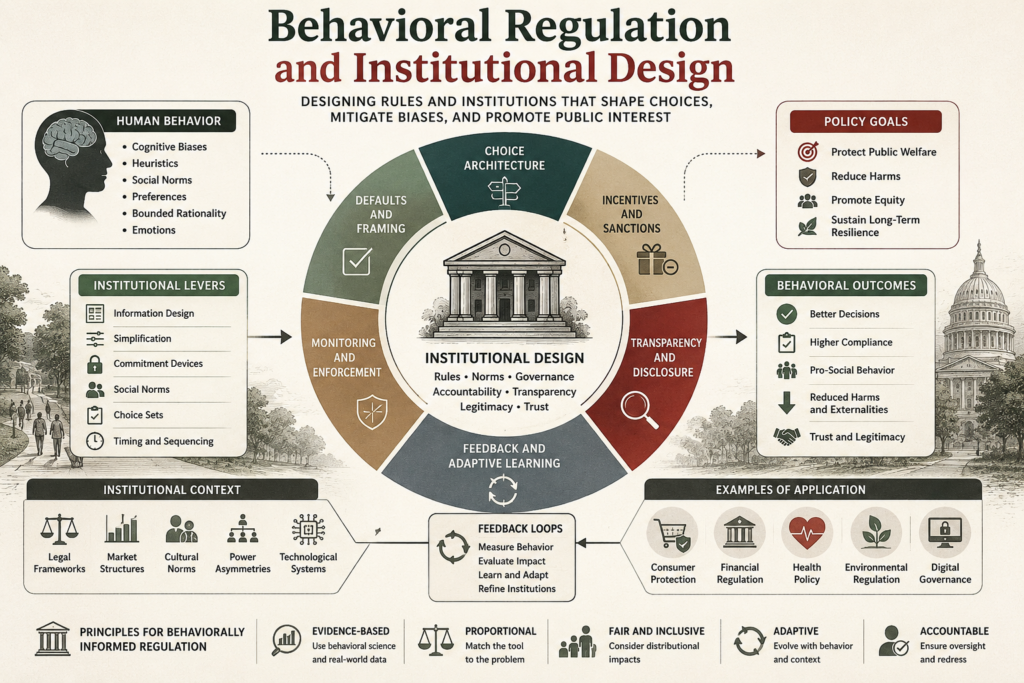
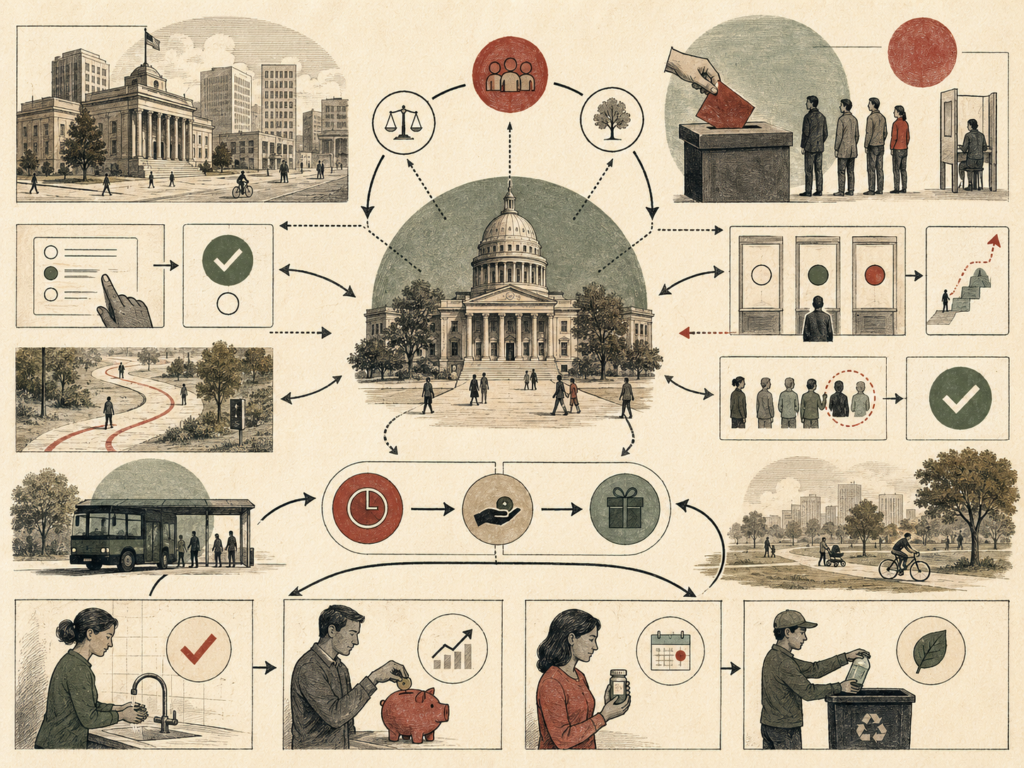
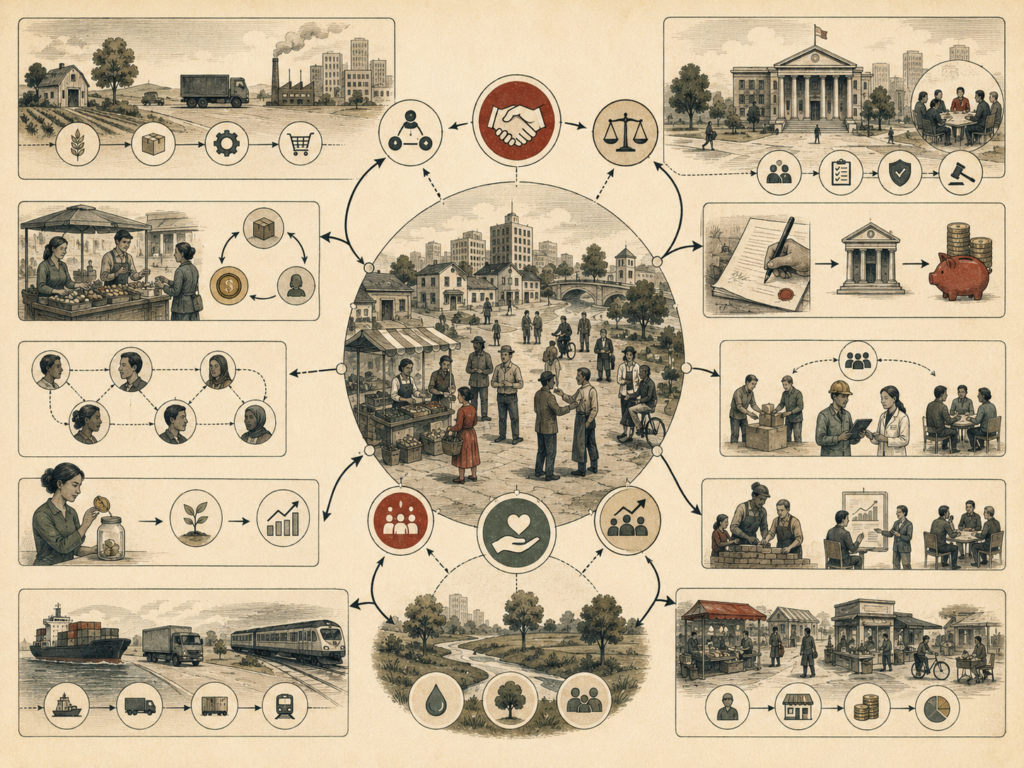
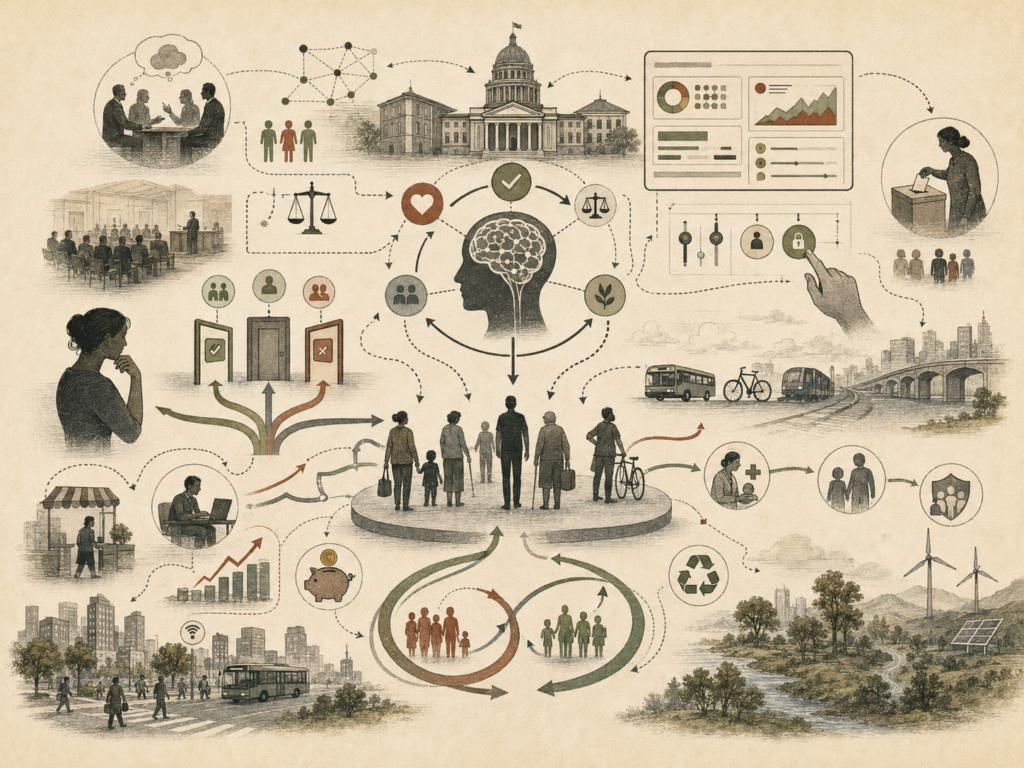
Behavioral economics is becoming increasingly important to governance because institutions do not operate on idealized rational agents, but on people navigating friction, limited attention, social influence, and uneven trust. This article argues that the field’s future lies not only in nudges or bias correction, but in the design of psychologically realistic and ethically defensible institutions. It examines behavioral public policy, digital governance, sustainability transitions, administrative burden, and institutional legitimacy, while also developing a formal analytical framework for behaviorally informed governance. Substantial R and Python sections model compliance, trust, salience, and welfare across alternative governance regimes, showing how behavioral economics increasingly functions as a theory of institutional design rather than merely individual error.