Problem Solving

Problem solving refers to the cognitive and strategic processes used to identify challenges, analyze underlying causes, and develop effective solutions. In complex environments, problem solving requires more than analytical reasoning; it involves integrating creative thinking, structured analysis, and systems-level understanding.

Traditional models of problem solving emphasized linear processes such as defining the problem, generating alternatives, and selecting optimal solutions. Contemporary research recognizes that many real-world problems are complex, dynamic, and interconnected, requiring iterative approaches that incorporate experimentation, feedback, and adaptive learning.

Modern problem-solving frameworks often draw from multiple disciplines, including cognitive psychology, systems thinking, design research, and decision science. These approaches help individuals and organizations understand how problems emerge within broader systems and how interventions may produce both intended and unintended consequences.

Effective problem solving is central to innovation, policy development, and strategic planning. In rapidly changing environments, organizations increasingly rely on interdisciplinary problem-solving methods that combine analytical rigor with creative exploration.

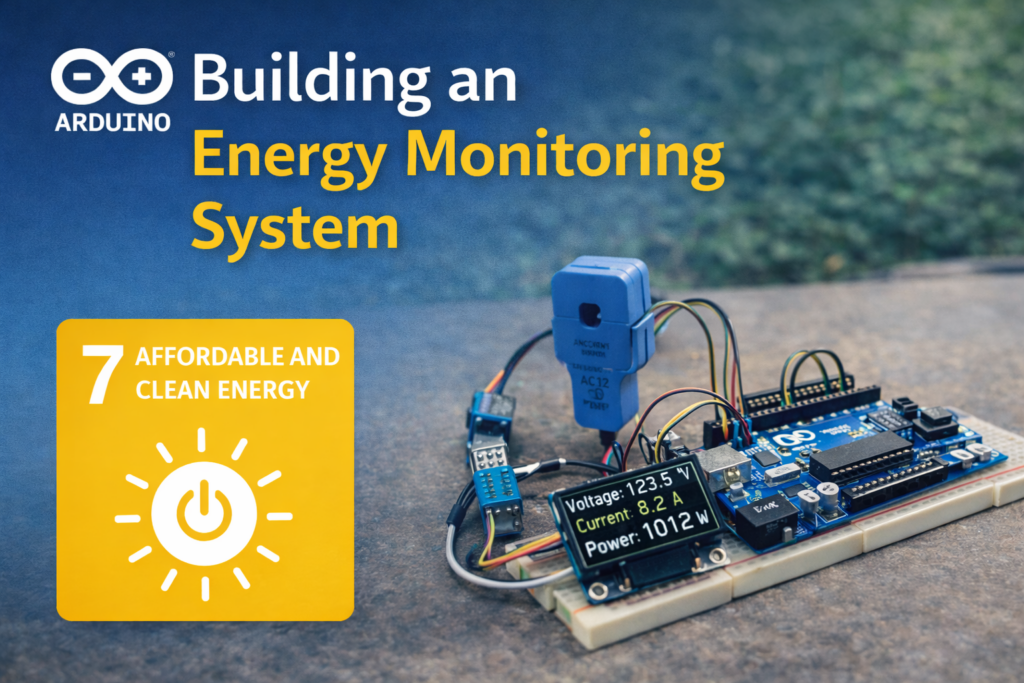
Building an Arduino Energy Monitoring System showing an Arduino board connected to current and voltage sensors to measure electricity usage aligned with UN Sustainable Development Goal 7 Affordable and Clean Energy.

Building an Arduino Home Energy Monitoring System (SDG 7: Affordable and Clean Energy)

An Arduino energy monitoring system demonstrates how low-cost embedded electronics can make electricity use visible, measurable, and easier to optimize. This project combines an Arduino-compatible microcontroller with an INA219 current and voltage sensor to measure voltage, current, instantaneous power, and cumulative energy consumption in low-voltage DC systems. While the prototype is not a certified metering instrument and should not be used for household AC mains, it shows how practical sensing tools can support energy awareness, efficiency testing, and responsible infrastructure design. The article connects the build to intelligent infrastructure, environmental monitoring systems, SDG 7: Affordable and Clean Energy, climate change as a planetary boundary, and sustainable development, showing how measurement becomes the first step toward cleaner and more efficient energy systems.
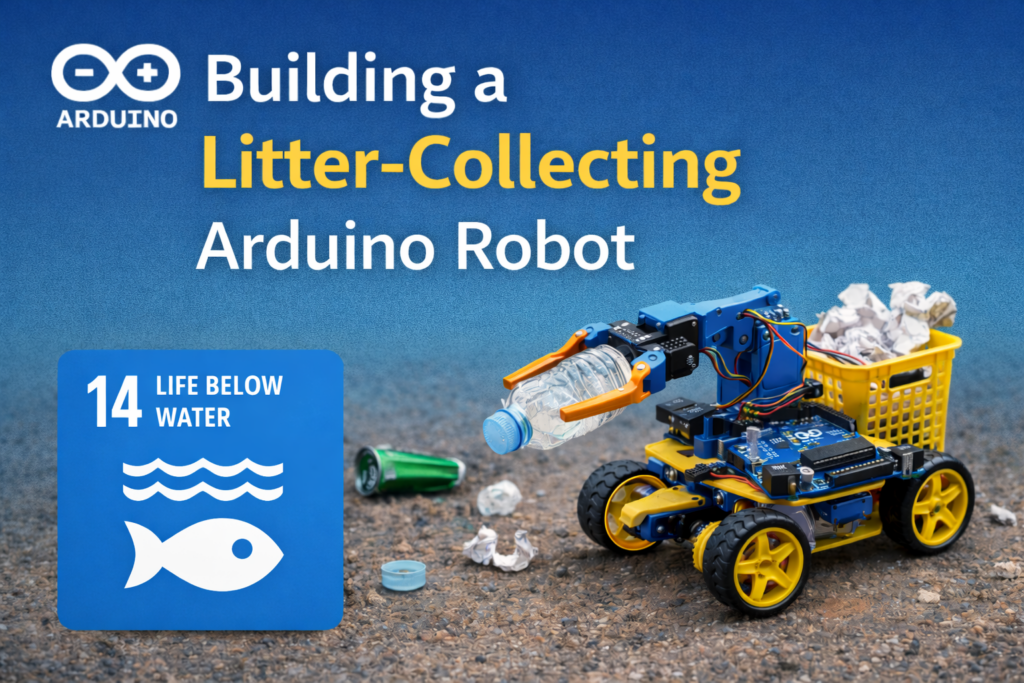
Litter-collecting Arduino robot prototype designed to remove waste and protect marine environments supporting SDG 14 Life Below Water.

Building an Arduino Litter-Collecting Robot (SDG 14: Life Below Water)

An Arduino litter-collecting robot demonstrates how low-cost robotics can support environmental cleanup, pollution prevention, and SDG 14: Life Below Water. This project combines an Arduino-compatible microcontroller with ultrasonic sensing, a differential-drive chassis, motor control, and a servo-actuated gripper to detect nearby objects and attempt lightweight debris collection. While the prototype is not a field-ready autonomous cleanup machine, it shows how sensing, mobility, and actuation can be combined into a practical environmental robotics system. The article connects the build to intelligent infrastructure, environmental monitoring, novel entities and synthetic overload, freshwater risk, ocean protection, planetary boundaries, and sustainable development, showing how maker-scale robotics can model larger systems for reducing land-based waste before it reaches rivers, wetlands, coastlines, and oceans.

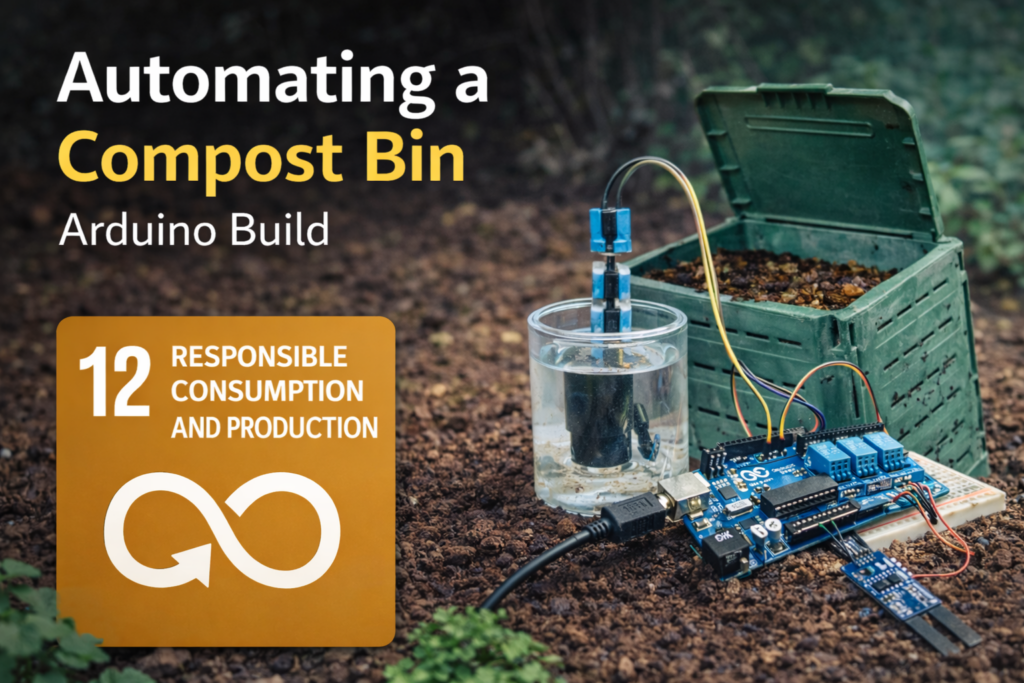
Arduino compost bin automation system with temperature, moisture, and environmental sensors supporting SDG 12 Responsible Consumption and Production.

Building an Arduino Compost Monitoring System (SDG 12: Responsible Consumption and Production)

An Arduino compost monitoring system demonstrates how low-cost embedded sensing can support waste reduction, soil stewardship, and SDG 12: Responsible Consumption and Production. This project combines an Arduino-compatible microcontroller with a waterproof temperature probe, moisture-related sensing, and optional ambient temperature and humidity readings to observe compost conditions in real time. While the prototype is not an industrial compost-management instrument, it shows how temperature, moisture, and environmental context can make biological decomposition easier to understand and manage. The article connects the build to environmental monitoring systems, intelligent infrastructure, biogeochemical flows, land-system change, planetary boundaries, and sustainable development, showing how practical sensor projects can support circular organic waste systems, nutrient recovery, compost quality, and more responsible resource use.

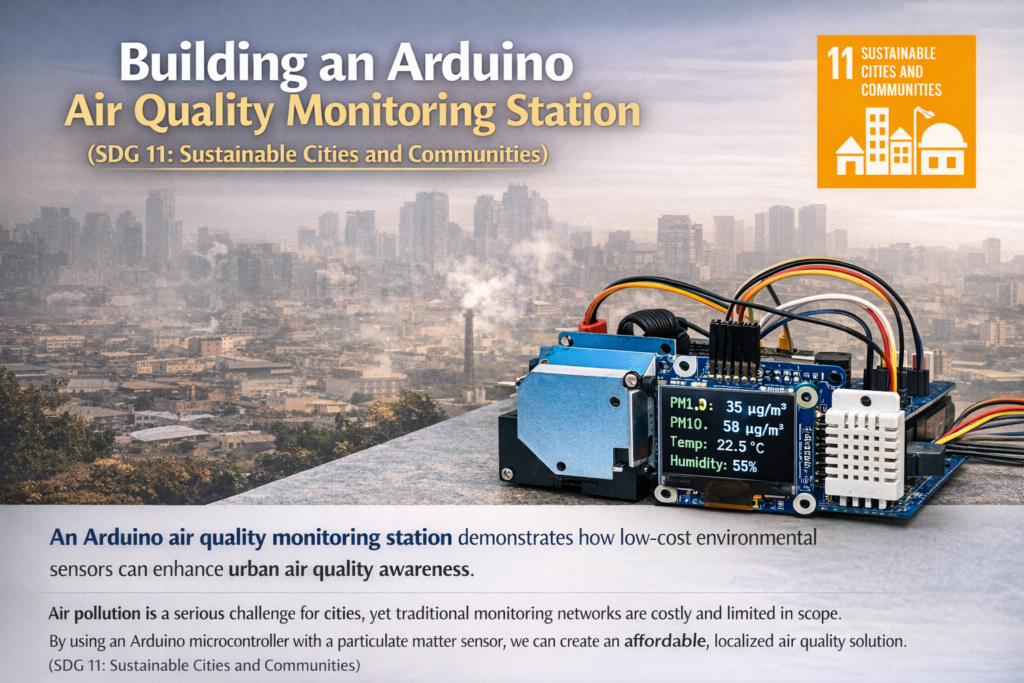
Arduino air quality monitoring station with particulate matter sensor and environmental sensors measuring PM1.0 PM2.5 and PM10 pollution levels to support urban air monitoring and SDG 11 Sustainable Cities and Communities.

Building an Arduino Air Quality Monitoring Station (SDG 11: Sustainable Cities and Communities)

An Arduino air quality monitoring station demonstrates how low-cost embedded sensing can support urban environmental awareness, neighborhood-scale monitoring, and SDG 11: Sustainable Cities and Communities. This project combines an Arduino-compatible microcontroller with a particulate matter sensor and temperature/humidity sensing to measure PM1.0, PM2.5, PM10, and atmospheric conditions in real time. While the prototype is not a certified regulatory instrument, it shows how distributed monitoring can make localized air-quality variation more visible for classrooms, community science, sustainability labs, and urban infrastructure projects. The article connects the build to environmental monitoring systems, intelligent infrastructure, atmospheric aerosol loading, climate change, planetary boundaries, and sustainable development, showing how practical sensor projects can help communities observe environmental risk more clearly and support healthier, more resilient cities.

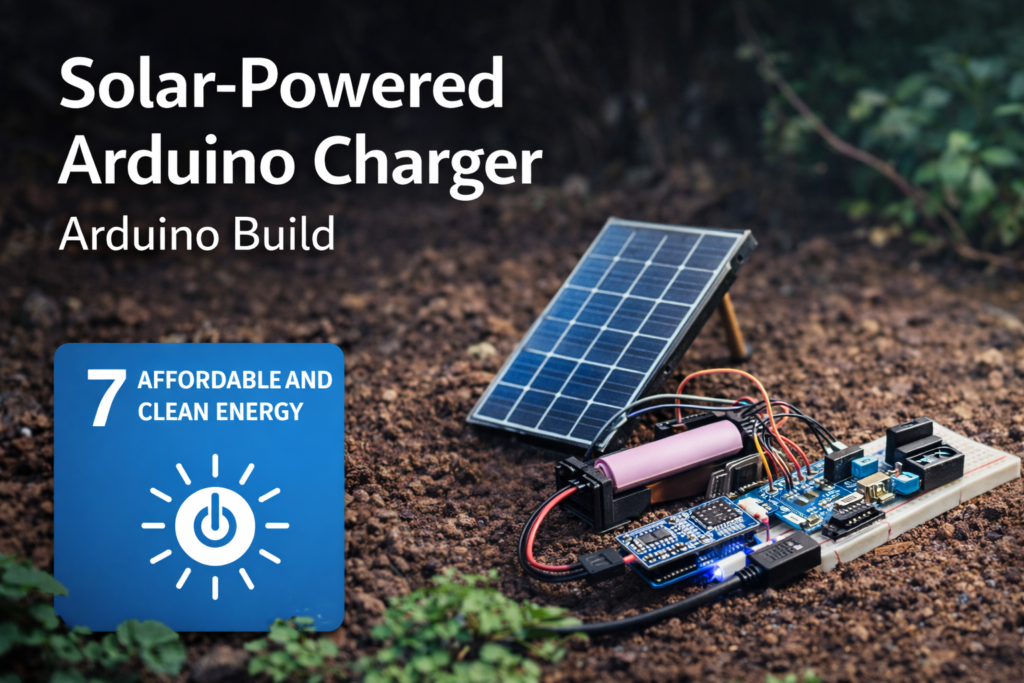
Solar powered Arduino charger prototype with solar panel, lithium battery, and charging module demonstrating a small renewable energy system

Building a Solar-Powered Arduino Charging System (SDG 7: Affordable and Clean Energy)

A solar-powered Arduino charger demonstrates how small renewable energy systems can capture, store, regulate, and distribute electricity at the edge of the grid. This project combines a solar panel, lithium-ion battery, TP4056 charging module, boost converter, and Arduino-based voltage monitoring circuit to create a compact renewable charging prototype. While the build is not a certified consumer charger or replacement for grid infrastructure, it shows how decentralized energy systems can support energy access, field monitoring, emergency resilience, and clean-energy education. The article connects the project to intelligent infrastructure, environmental monitoring systems, SDG 7: Affordable and Clean Energy, climate change as a planetary boundary, and sustainable development, showing how practical maker-scale systems can make renewable energy generation, storage, and monitoring more tangible.

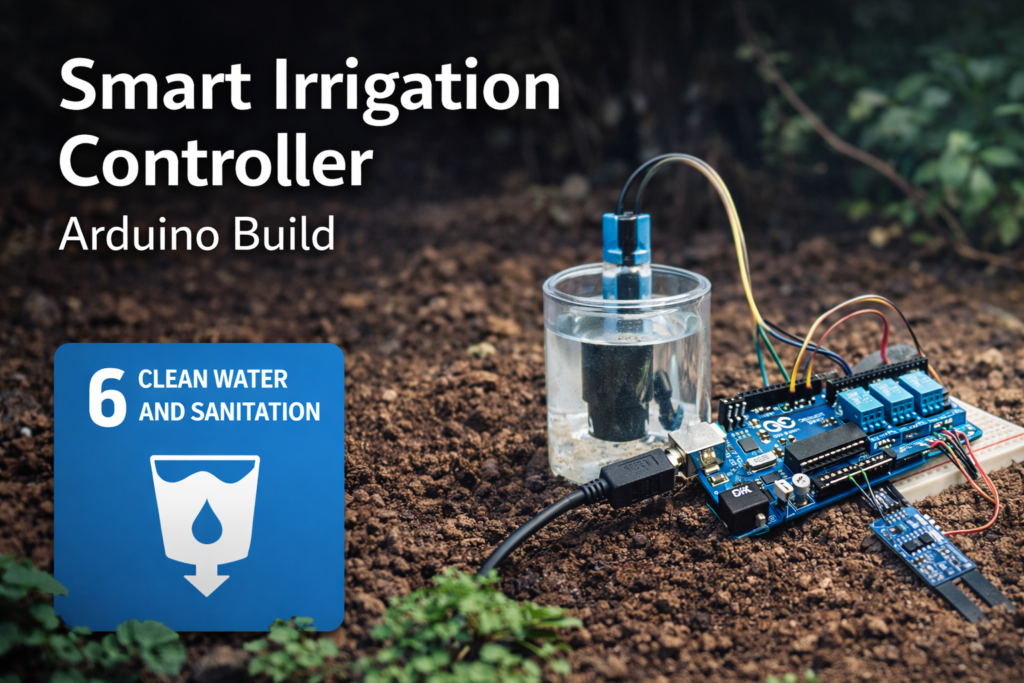
Arduino smart irrigation controller prototype with breadboard and sensor setup for water-efficient monitoring

Building an Arduino Smart Irrigation Controller (SDG 6: Clean Water and Sanitation)

A smart irrigation controller with Arduino demonstrates how low-cost sensing and automation can support more efficient freshwater use, small-scale agriculture, and SDG 6: Clean Water and Sanitation. This project combines an Arduino-compatible microcontroller with a capacitive soil moisture sensor, optional temperature and humidity sensing, relay control, and a small pump to water plants only when measured soil conditions indicate dryness. While the prototype is not a production agricultural controller, it shows how feedback systems can replace fixed irrigation schedules with responsive, data-informed decisions. The article connects the build to environmental monitoring systems, intelligent infrastructure, freshwater change, land-system transformation, planetary boundaries, and sustainable development, showing how practical embedded systems can support water efficiency, resilient growing systems, and more responsible resource management.

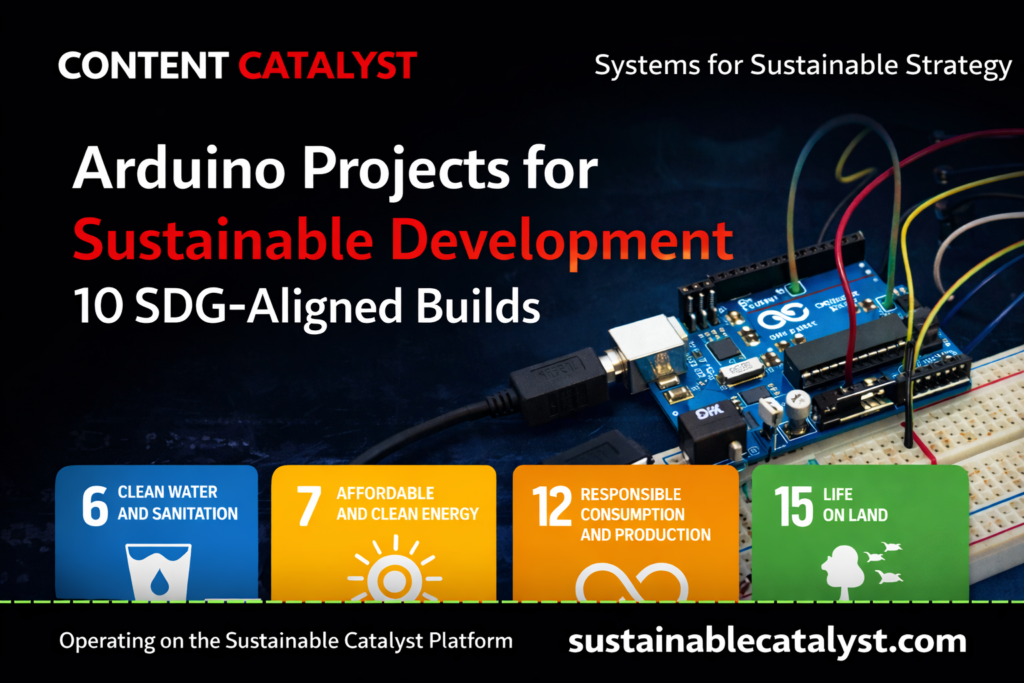
Arduino projects supporting sustainable development and the UN Sustainable Development Goals including water monitoring, renewable energy, and environmental sensing

Arduino Projects for Sustainable Development: 10 SDG-Aligned Builds

Arduino projects for sustainable development show how low-cost embedded systems can support environmental monitoring, renewable energy experimentation, water stewardship, circular resource use, and biodiversity protection aligned with the United Nations Sustainable Development Goals. This pillar serves as the central index for ten hands-on projects, including smart irrigation, solar charging, air quality monitoring, compost sensing, litter-collecting robotics, energy monitoring, recycling sorting, wildlife tracking, water quality sensing, and beehive health monitoring. Each project connects practical Arduino prototyping with broader sustainability themes such as freshwater risk, climate change, intelligent infrastructure, environmental monitoring systems, circular material flows, and biosphere integrity. Together, the series shows how sustainable development depends not only on policy frameworks, but also on measurable systems that observe environmental conditions and support better decisions.

Scroll to Top