Storytelling

Storytelling examines the narrative structures, symbolic patterns, rhetorical forms, and imaginative frameworks through which human beings organize experience, communicate meaning, and make sense of themselves and the world. In the history of culture and communication, storytelling has served not only as a mode of entertainment, but as a fundamental medium for memory, identity, persuasion, moral reflection, and the transmission of knowledge across generations.

This category explores storytelling as both an ancient human practice and a contemporary framework for shaping meaning, including its use of plot, character, voice, conflict, transformation, archetype, and narrative sequence. It considers how stories create emotional resonance, how they structure perception and expectation, how they encode values and worldviews, and how narrative forms influence the ways individuals, institutions, and cultures interpret reality.

Storytelling plays an important role in content frameworks and the wider study of communication because it reveals how ideas become memorable, how narratives shape belief and behavior, and how symbolic structure gives force to language and thought. By engaging storytelling seriously, this category deepens understanding of narrative as a foundational human practice and broadens reflection on meaning, persuasion, imagination, and the forms through which experience becomes intelligible.

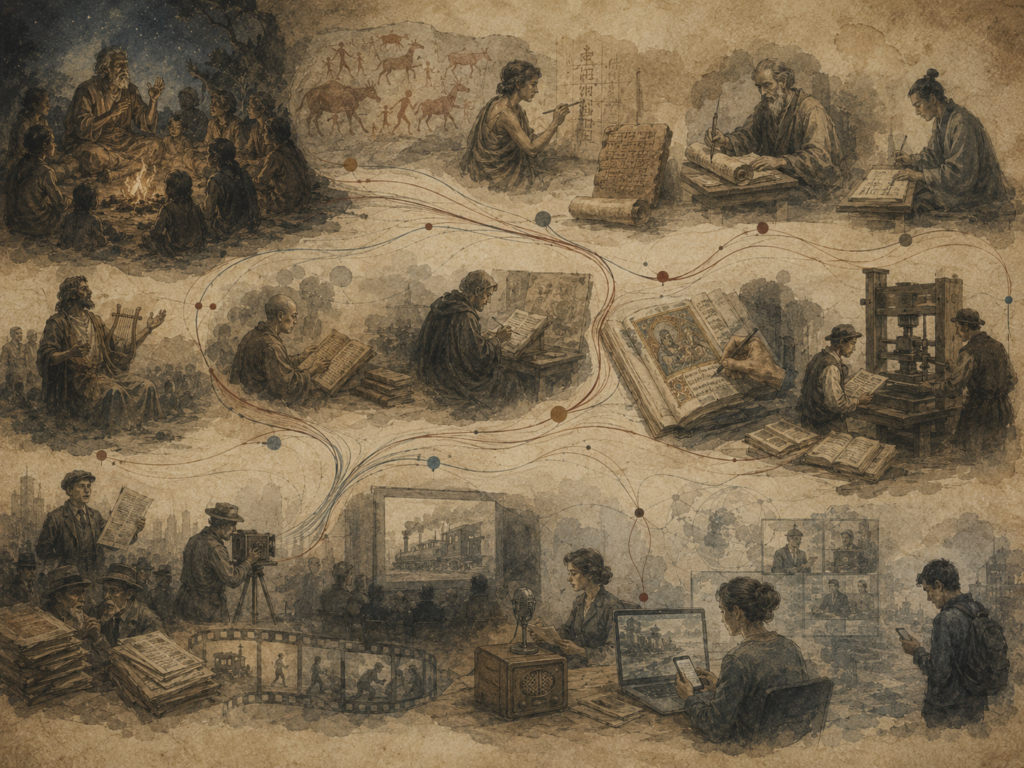
Editorial illustration showing the evolution of storytelling from oral tradition and cave symbols to manuscripts, printing, cinema, radio, and digital media.

The History of Storytelling: From Oral Tradition to Modern Media

The history of storytelling is the history of how human beings preserve, perform, circulate, and transform meaning across media. This article traces storytelling from oral tradition, myth, ritual, epic, and collective memory through writing, manuscript culture, print, theater, novels, photography, film, radio, television, digital platforms, games, and transmedia systems. It argues that storytelling history is not a straight line of progress from speech to screen, but a layered process in which older forms survive inside newer media. Each medium changes the relationship among memory, authority, audience participation, preservation, access, and power. The article explains how oral performance, textual record, printed circulation, visual narrative, broadcast seriality, networked platforms, and interactive systems shape what stories can do. It also considers archives, context loss, algorithmic visibility, cultural ownership, and ethical responsibility in studying storytelling history across cultures and technologies over long periods.
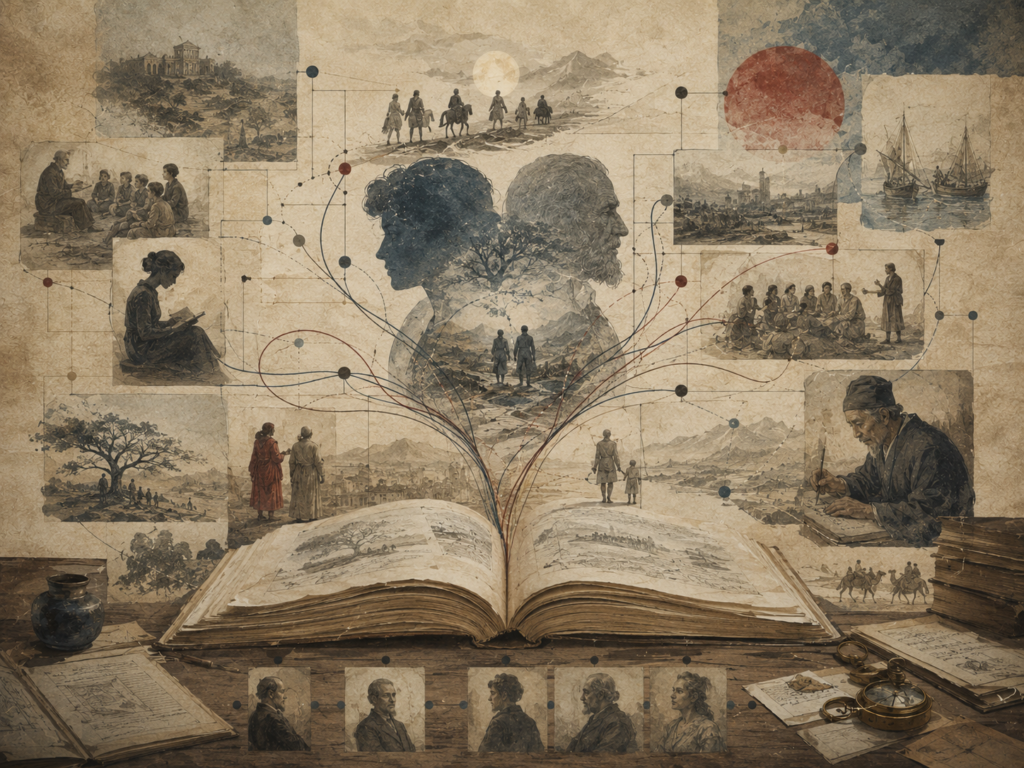
Editorial illustration of an open manuscript unfolding into connected narrative panels, symbolic threads, human figures, and knowledge pathways.

Storytelling as a Content Framework: Narrative Structure for Knowledge Systems

Storytelling becomes a content framework when narrative principles organize more than individual messages. This article examines storytelling as a structure for sequencing ideas, guiding audiences, connecting articles, shaping memory, clarifying stakes, and maintaining coherence across content systems. It explains how story can support content strategy, research communication, educational design, topic clusters, article maps, internal linking, editorial governance, and knowledge architecture without reducing complex subjects to formula or emotional manipulation. The article translates story elements such as setting, conflict, perspective, sequence, evidence, transformation, and closure into practical content design tools. It also considers the risks of storytelling frameworks when they become too linear, too heroic, unsupported by evidence, or detached from ethical responsibility. As part of the Storytelling series, it connects narrative theory with scalable content systems, audience pathways, and responsible editorial practice for long-term governance and public-facing knowledge work.

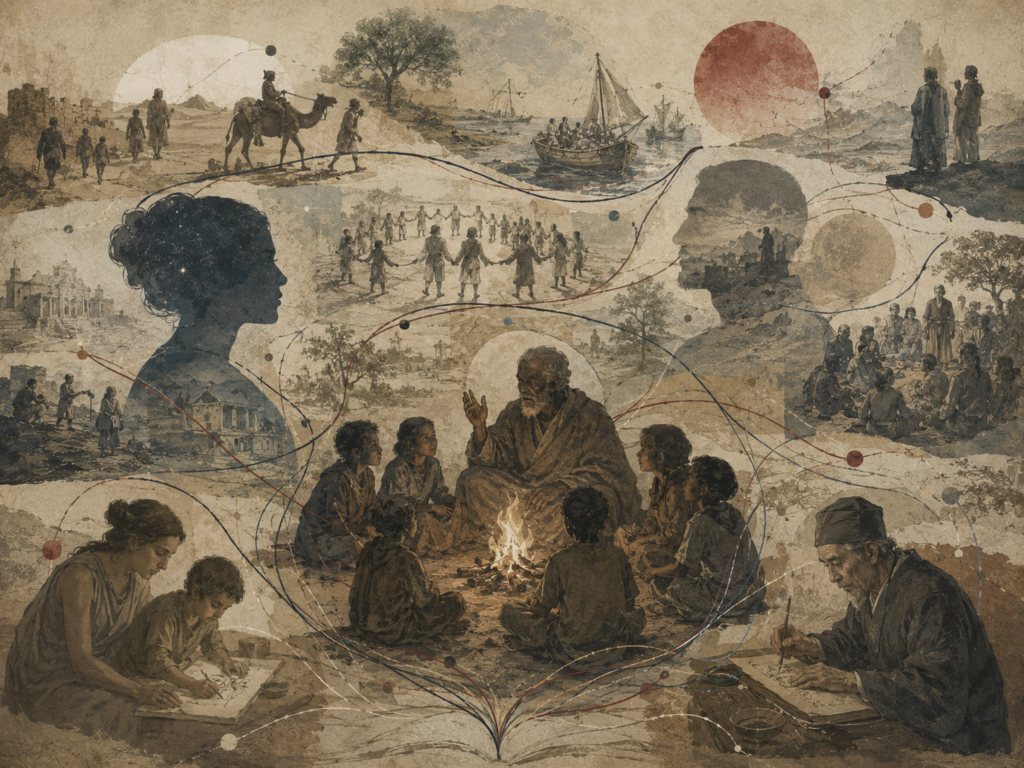
Editorial illustration of people across generations and cultures connected by symbolic threads of memory, teaching, ritual, travel, and shared meaning.

Why Storytelling Matters in Human Culture: Memory, Identity, and Meaning

Storytelling matters in human culture because stories help people remember, teach, belong, judge, mourn, persuade, and imagine across time. This article examines storytelling as a cultural system rather than a simple entertainment form. It explains how stories preserve collective memory, transmit values, support moral imagination, shape personal and group identity, create belonging, coordinate action, and give public life emotional meaning. The article also explores the risks of storytelling when narratives exclude, manipulate, stereotype, simplify history, or turn power into myth. By looking across oral tradition, family memory, religion, education, politics, institutions, media, and digital platforms, the article shows why storytelling remains one of humanity’s most durable ways of organizing experience. It provides a foundation for understanding story as memory, teaching, ethics, cultural transmission, and shared meaning in the wider Storytelling knowledge series for later narrative systems and ethics articles.

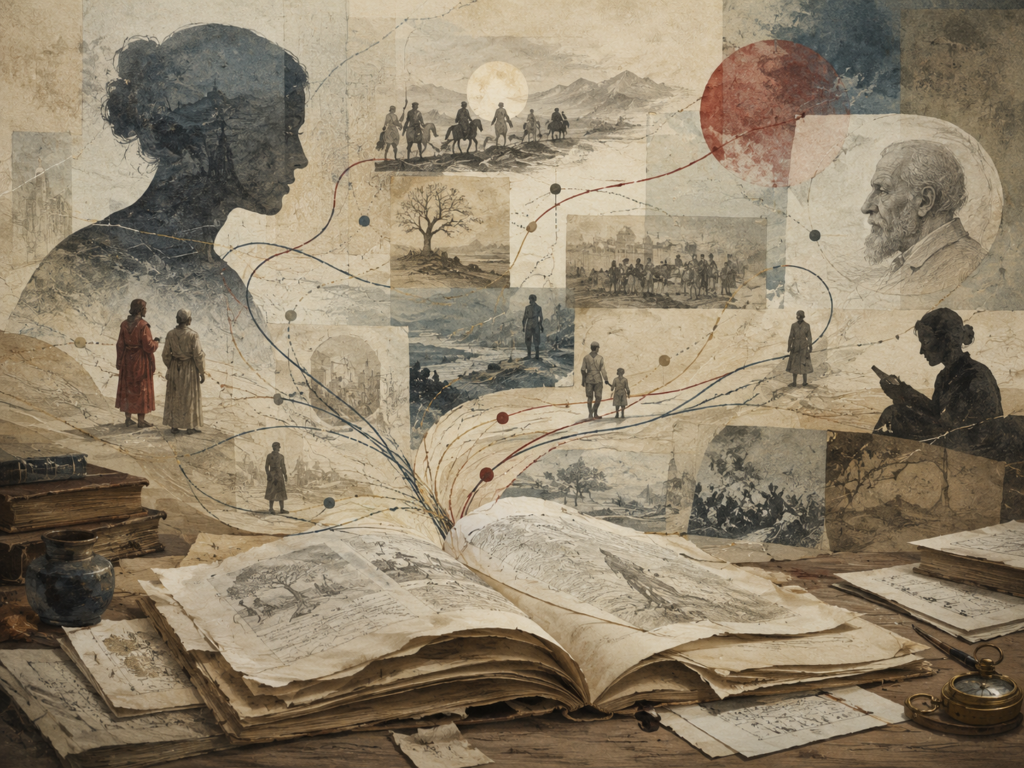
Editorial illustration of an open manuscript sending symbolic threads through layered scenes of memory, history, people, and ideas.

What Is Storytelling? Narrative, Meaning, Memory, and Human Culture

Storytelling is the human practice of organizing experience into meaningful sequence. It connects events, characters, conflict, memory, identity, culture, and transformation so people can understand what happened, why it mattered, and what changed. This article defines storytelling as more than entertainment, fiction, marketing, or technique. It examines story as a system for shaping time, preserving memory, transmitting values, forming identity, persuading audiences, and carrying ethical responsibility. The article explains core story elements such as sequence, setting, agency, causality, conflict, transformation, perspective, and interpretation while distinguishing narrative structure from rigid formula. It also considers oral, written, visual, and digital storytelling, the role of story in culture and public life, and the need for responsible representation when stories influence memory, judgment, and action across communities and institutions. It opens the series with a foundation for later narrative analysis, ethics, and governance.

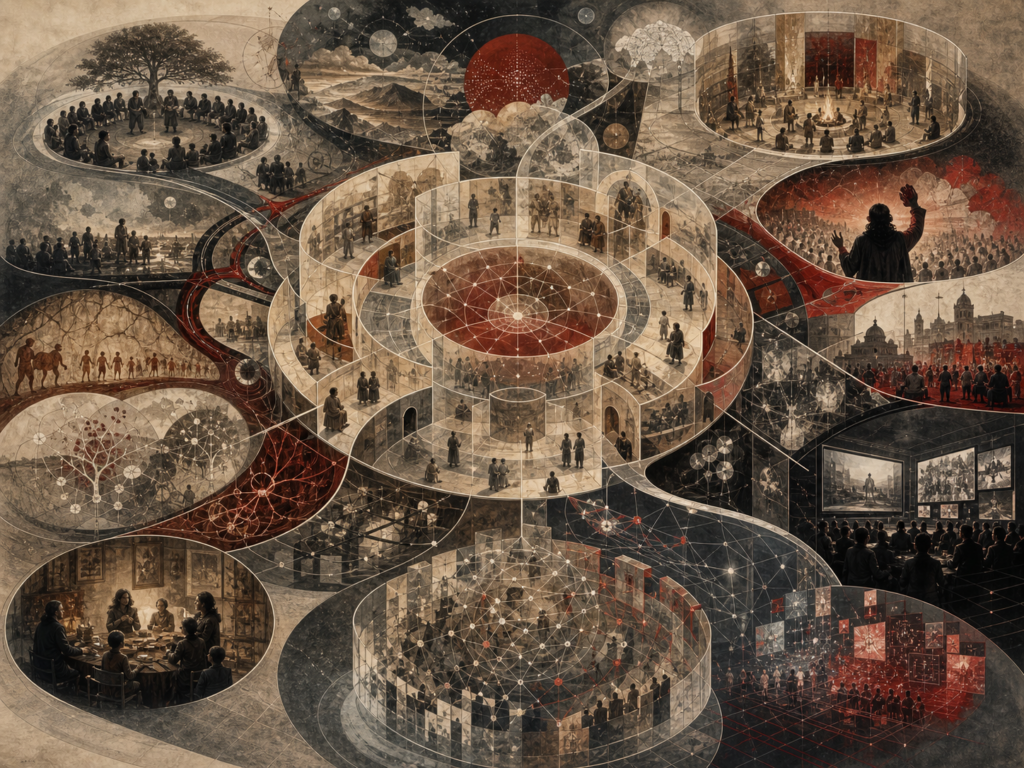
Editorial illustration of storytelling as a narrative systems architecture, showing oral tradition, myth, ritual, folklore, public narrative, memory, character arcs, motifs, symbolic pathways, collective transmission, media adaptation, and the architecture of meaning over time.

Storytelling: Narrative Form, Mythic Structure, and Human Meaning

Storytelling is one of the oldest ways humans organize meaning, transmit knowledge, build trust, and make complexity understandable. This article map introduces the Storytelling series as a structured guide to narrative theory, communication strategy, audience understanding, ethics, memory, persuasion, identity, and public meaning-making. It connects foundational concepts with practical methods for shaping stories across institutions, education, research, leadership, media, advocacy, and digital platforms. The map treats storytelling not as decoration, entertainment, or branding alone, but as a disciplined way of arranging events, values, evidence, conflict, and consequence into coherent understanding. It also emphasizes responsibility: stories can clarify reality, but they can also distort, manipulate, exclude, or oversimplify. Across the series, storytelling is examined as a powerful framework for explanation, strategy, learning, cultural interpretation, and ethical communication in complex public contexts.

Scroll to Top