Leverage Points and Places to Intervene in a System
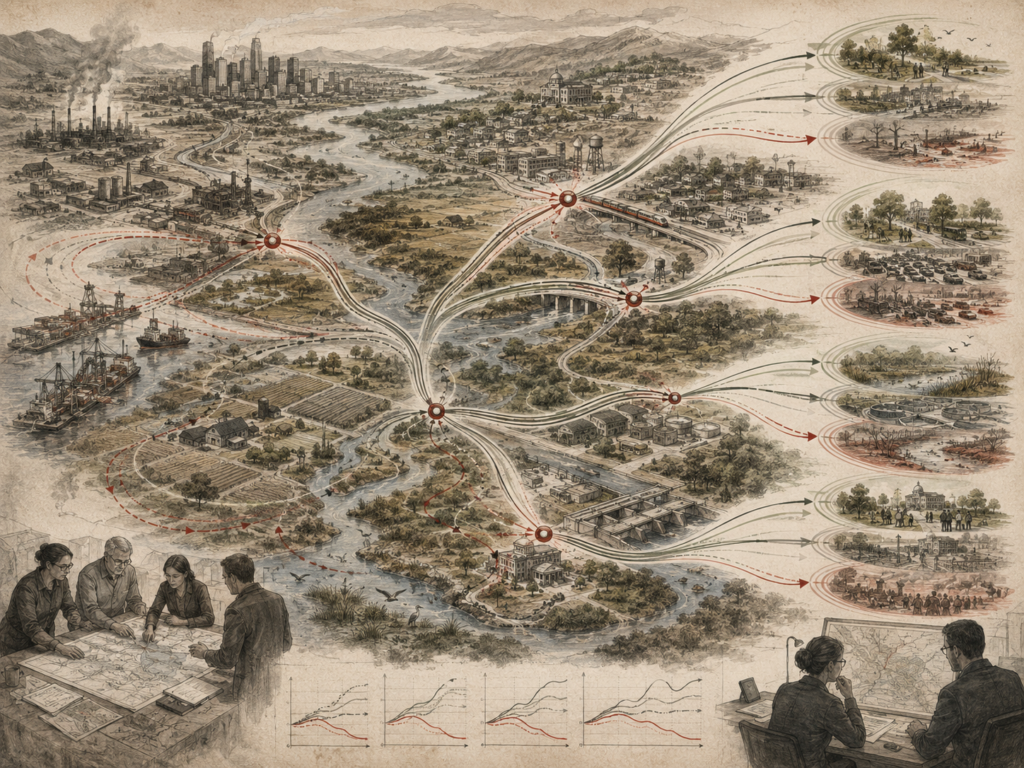
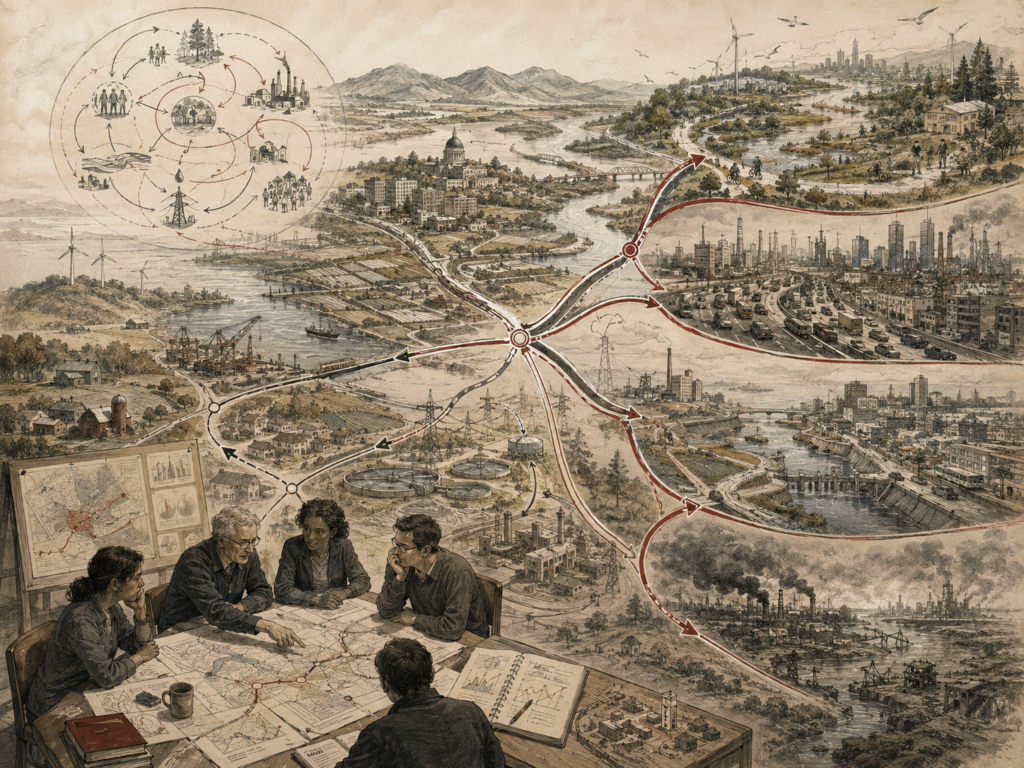
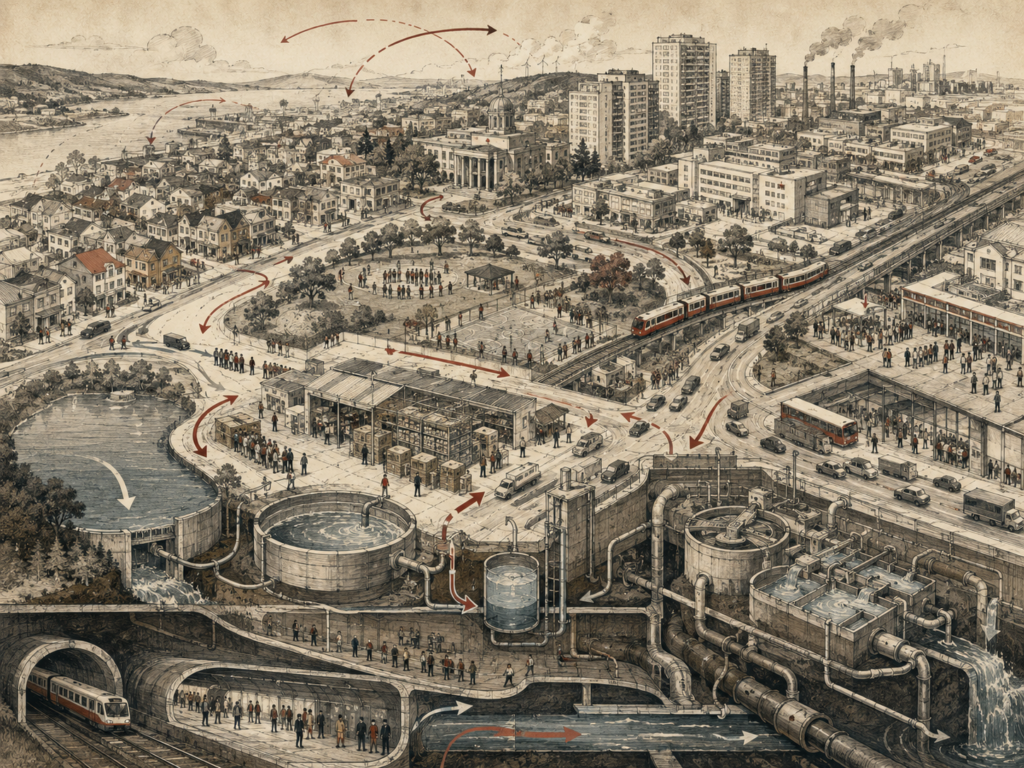
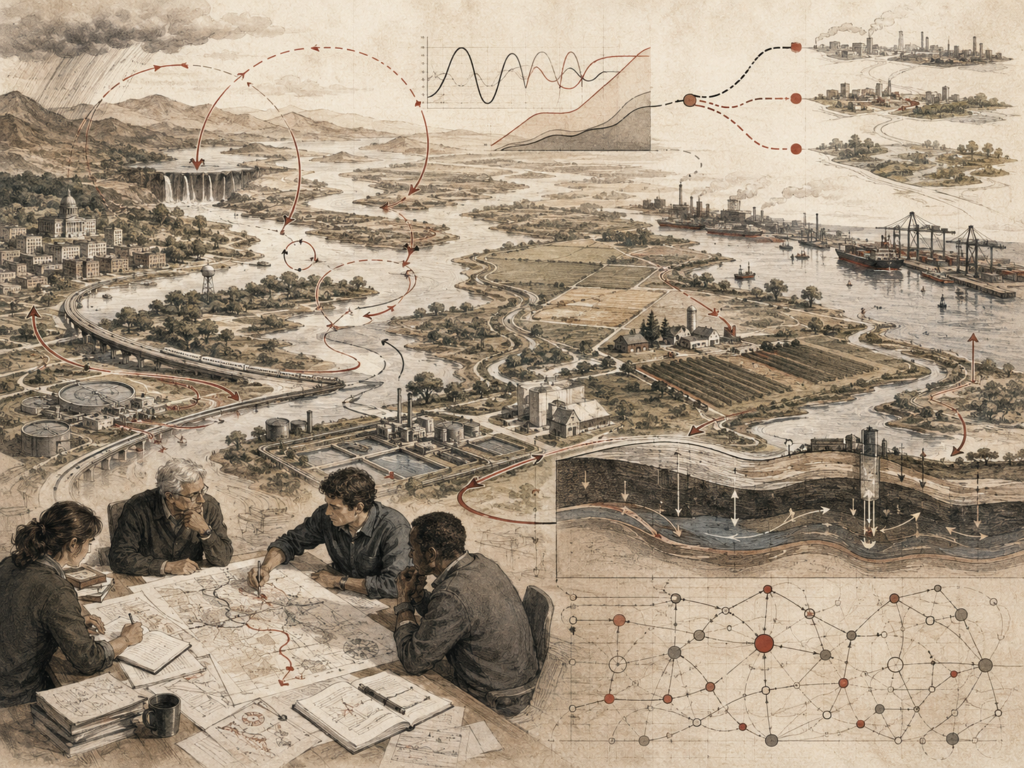
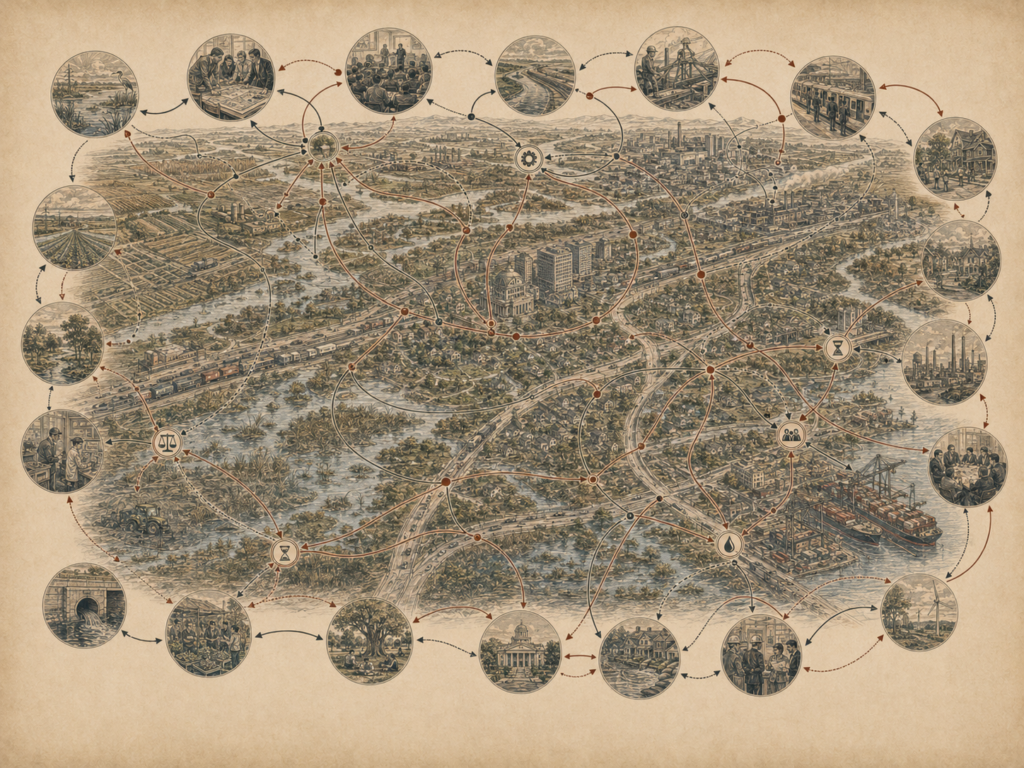
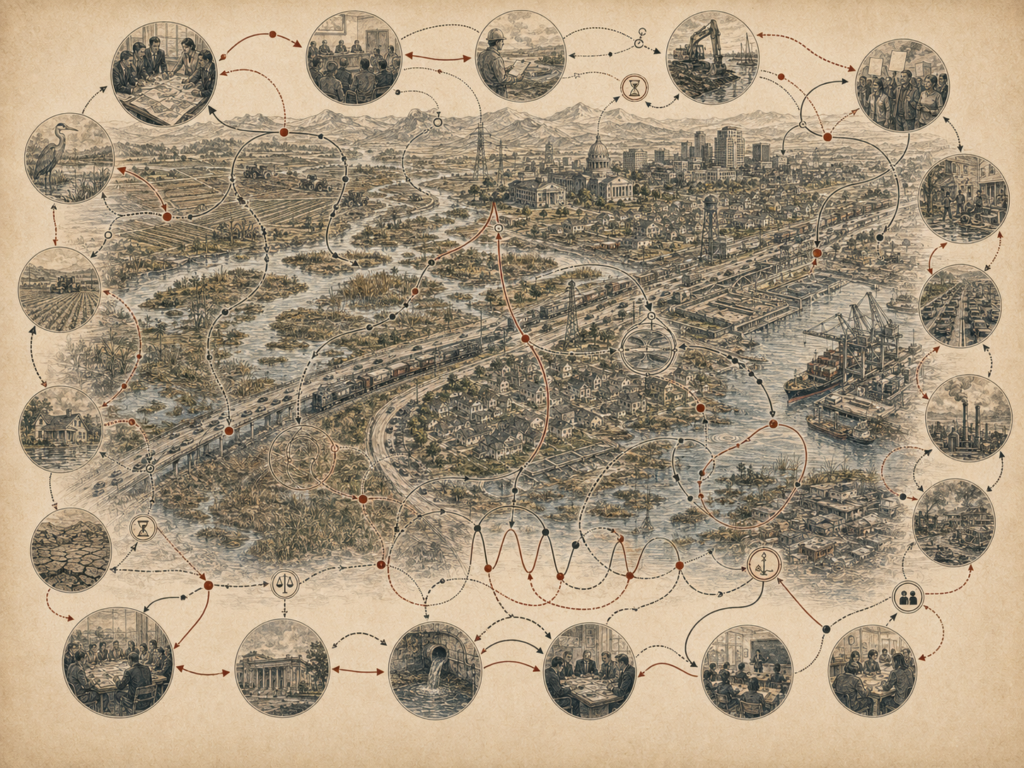
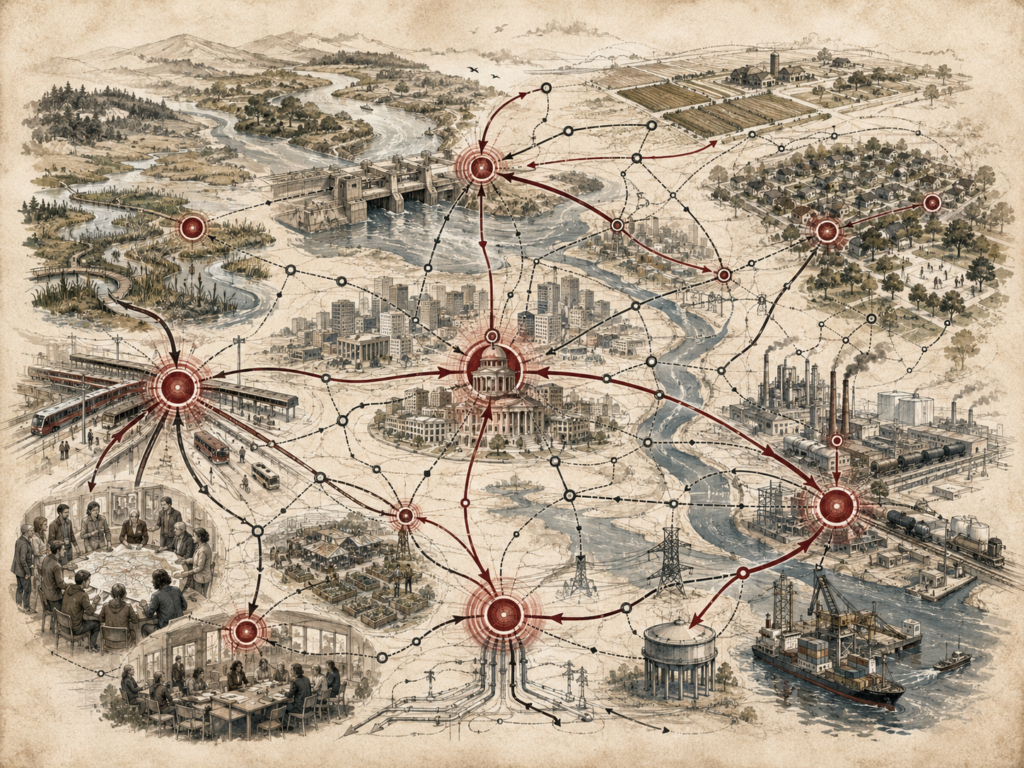
Leverage Points and Places to Intervene in a System explains how systems thinkers identify where focused intervention can change recurring behavior rather than merely react to symptoms. The article shows why the most visible problem is not always the highest-leverage place to act. It examines parameters, stocks, flows, buffers, feedback loops, delays, information flows, rules, incentives, goals, paradigms, and power as different levels of intervention. Through examples from public health, infrastructure, organizations, education, artificial intelligence, climate systems, economics, and public administration, it distinguishes shallow fixes from structural change. The article also asks the ethical question that leverage analysis cannot avoid: leverage for whom? Readers gain a practical method for finding intervention points that repair depleted stocks, change harmful feedback, improve learning, reduce burden, and shift system behavior toward resilience, dignity, justice, and long-term responsibility across complex institutions and communities.