Resilience Thinking and Risk Governance
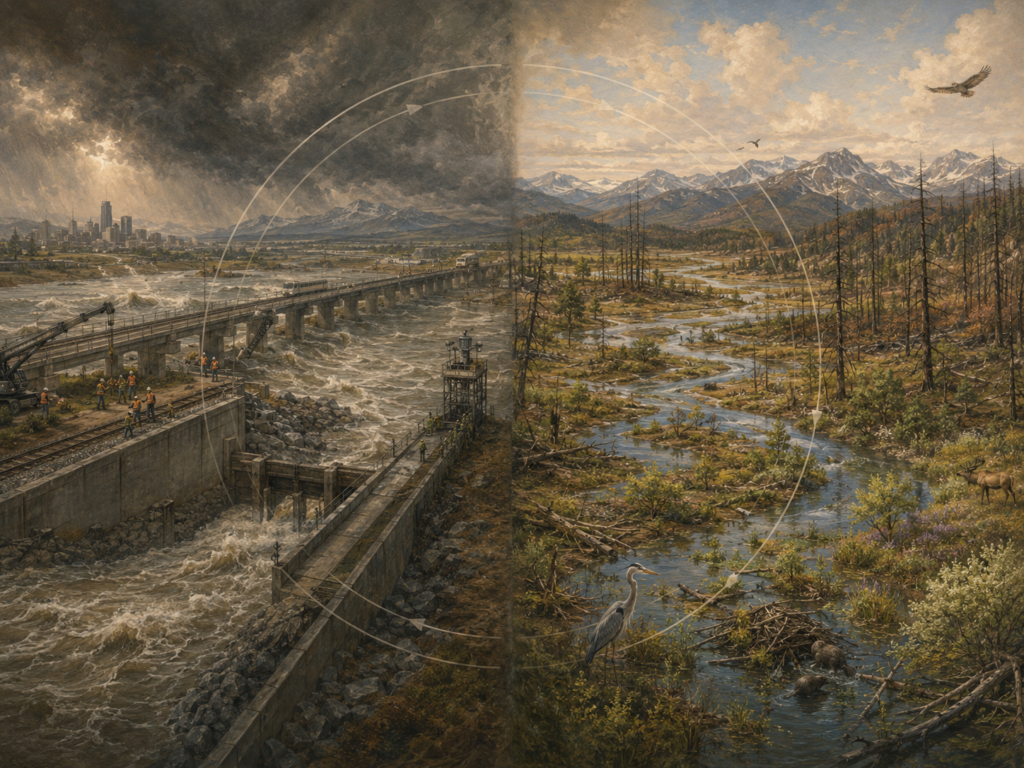
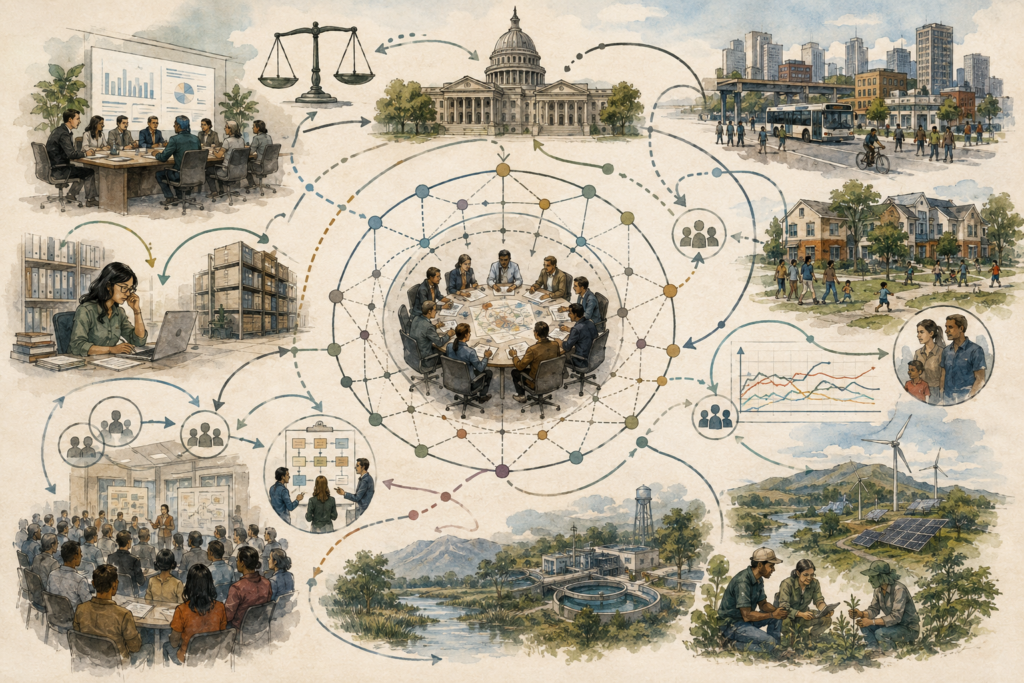
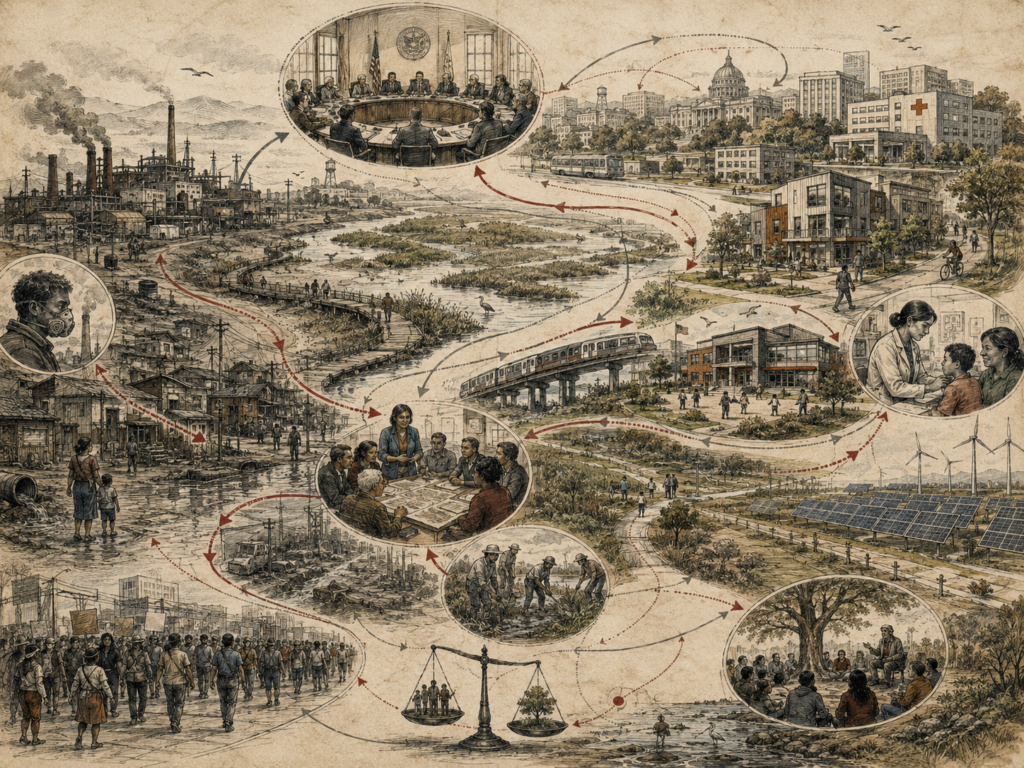
Resilience thinking and risk governance meet where uncertainty, disturbance, institutional responsibility, and public consequence can no longer be managed by technical risk assessment alone. Risk governance asks how societies frame, assess, evaluate, manage, communicate, and review risks that affect public life. Resilience thinking asks whether exposed systems can absorb disturbance, adapt, avoid dangerous thresholds, and transform when existing arrangements are no longer viable. This article explains how the two frameworks work together across climate adaptation, disaster risk reduction, infrastructure, public health, supply chains, cybersecurity, ecosystems, and institutions. It shows why risk is shaped not only by hazards, but by exposure, vulnerability, capacity, trust, participation, coordination, and accountability. The article also examines systemic risk, cascading failure, justice, institutional legitimacy, and the governance conditions required for resilient public decision-making under uncertainty.