Resilience in Food and Water Systems: Security, Adaptation, and System Stability Under Stress
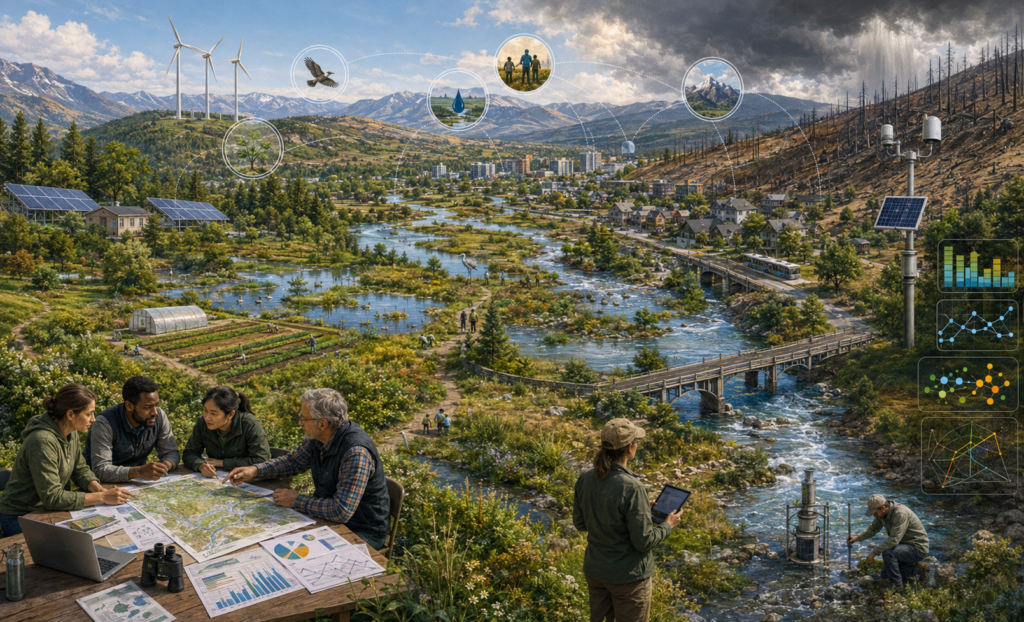
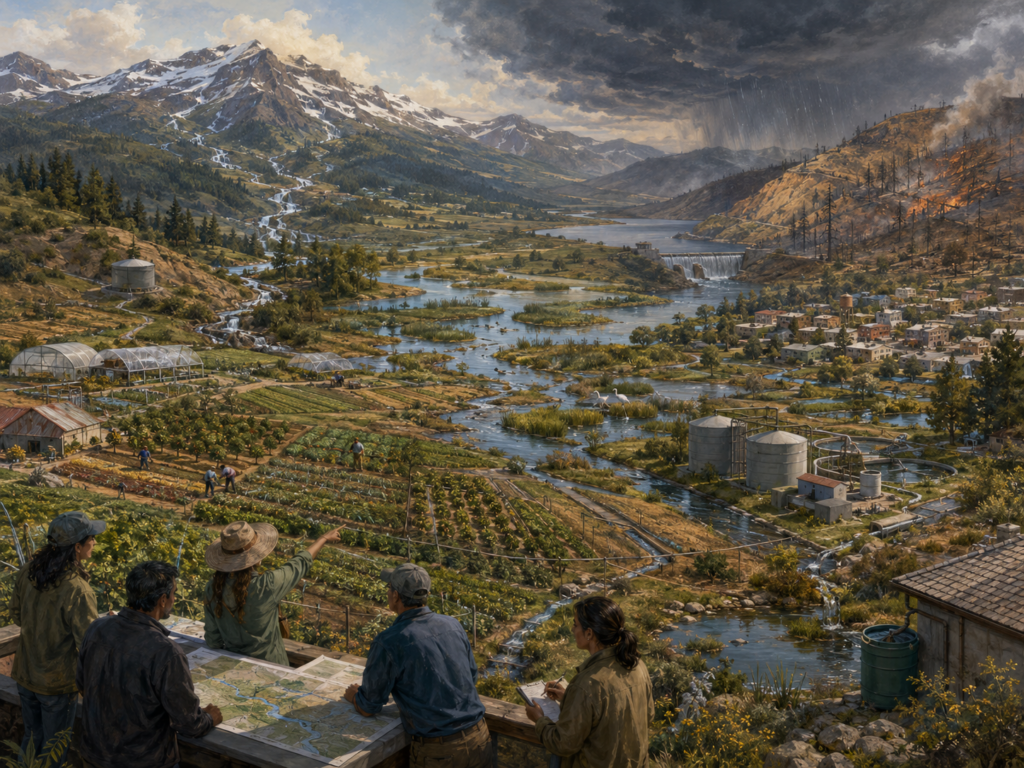
Resilience in Food and Water Systems examines how agricultural, hydrological, ecological, infrastructural, and supply systems interact to sustain reliable access to food and water under stress. The article argues that resilience in these systems is not simply a matter of preserving aggregate output, but of maintaining availability, access, quality, stability, and adaptive capacity as climate change, ecosystem degradation, infrastructure failure, market volatility, and inequality place increasing pressure on basic human needs. It explores food-water interdependence, climate risk, governance, infrastructure, community dynamics, and ecological support as mutually linked dimensions of resilience. It also includes an evergreen mathematical lens, along with advanced R and Python workflows for comparing food and water resilience strategies and analyzing uncertainty in long-term resource-system choices.