Calibration, Noise, and Measurement Integrity in Sensor Systems
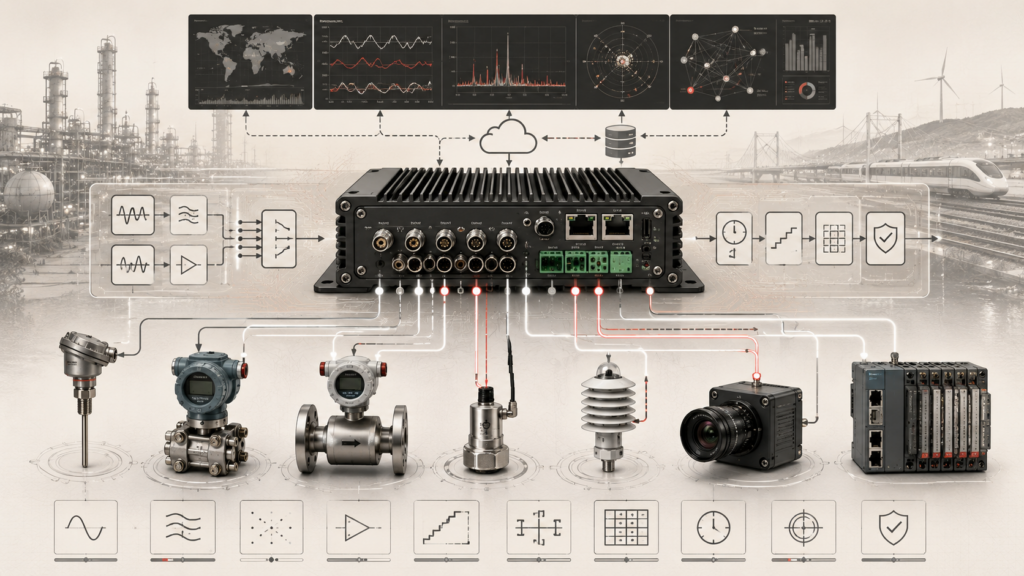
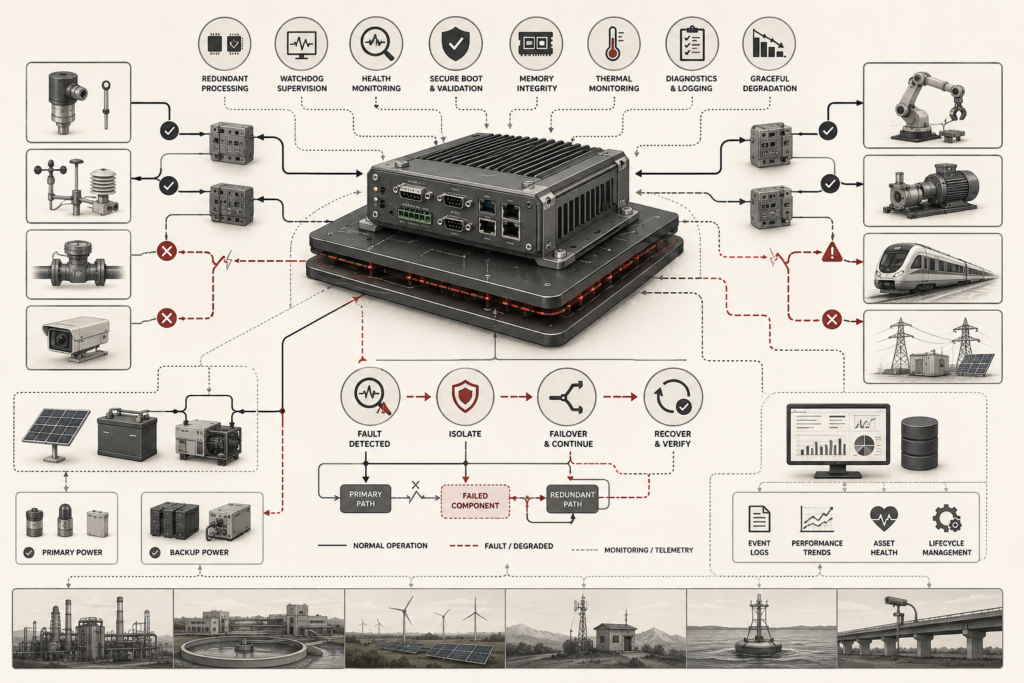
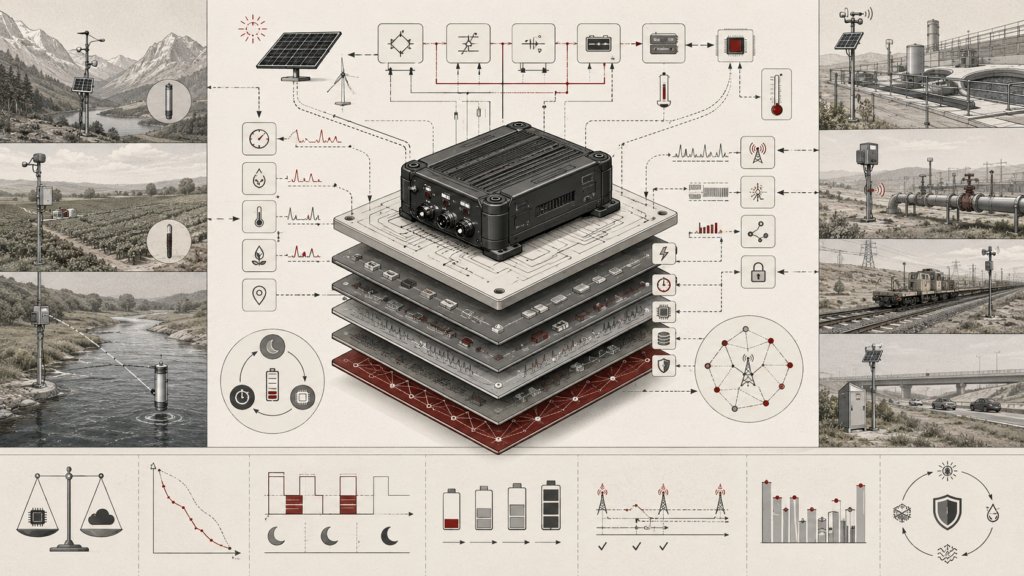
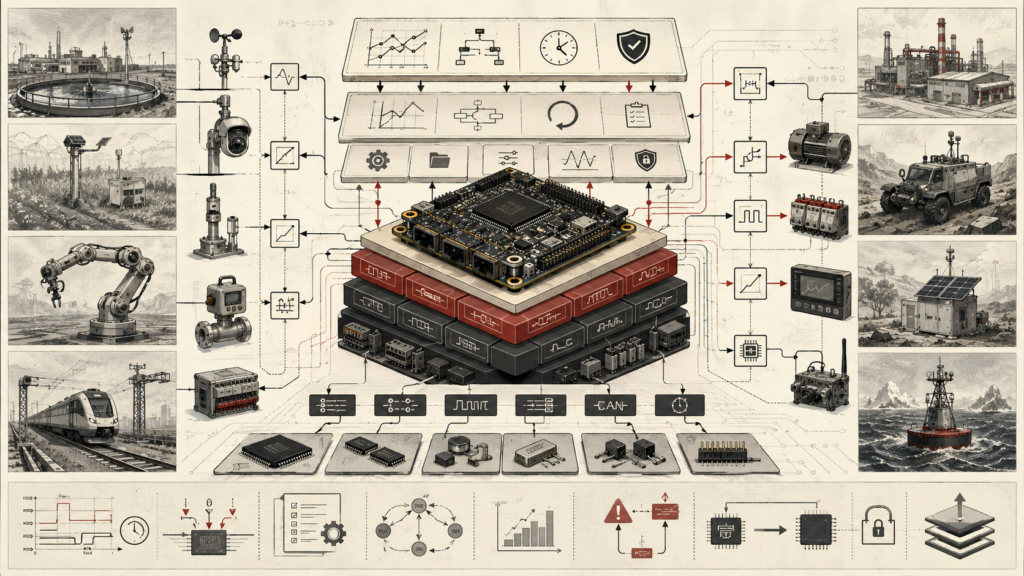
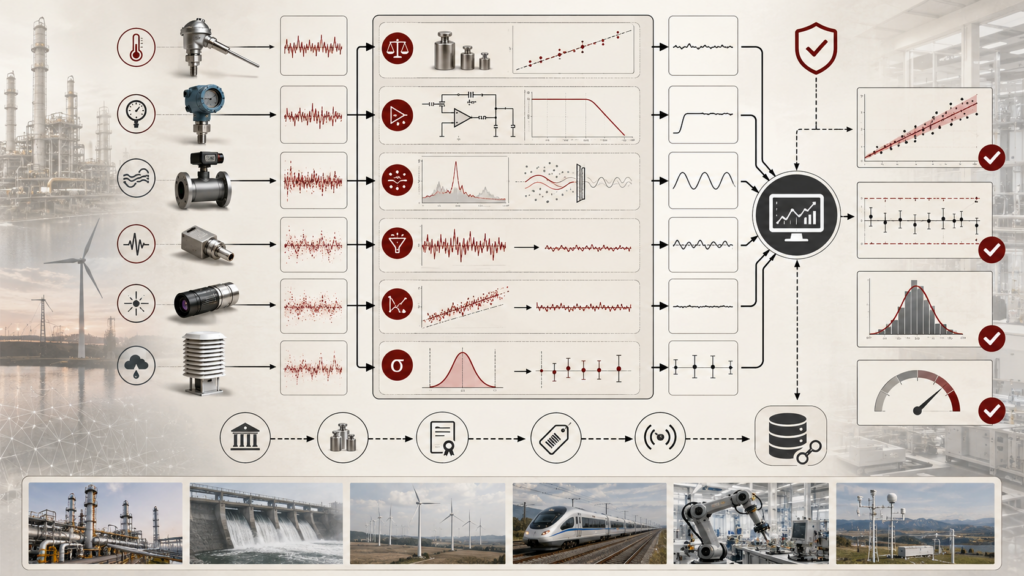
Calibration, noise, and measurement integrity determine whether sensor values in embedded and edge systems can be trusted, not merely collected. This article examines the full measurement chain: sensing elements, analog front ends, references, wiring, ADC sampling, calibration coefficients, firmware filtering, uncertainty, quality flags, traceability, and downstream interpretation. It explains why sensor accuracy is a systems property rather than a datasheet claim, and why engineers must preserve calibration state, noise characteristics, provenance, and confidence metadata alongside reported values. The article also introduces practical patterns for uncertainty budgeting, drift monitoring, quality gating, fault containment, and fleet-level measurement reporting. Strong sensor systems do not simply produce stable-looking numbers; they produce qualified measurements whose limits, lineage, and fitness for use remain visible throughout the device lifecycle.