Religion and Ecology: Sacred Earth, Stewardship, Justice, and Ecological Responsibility
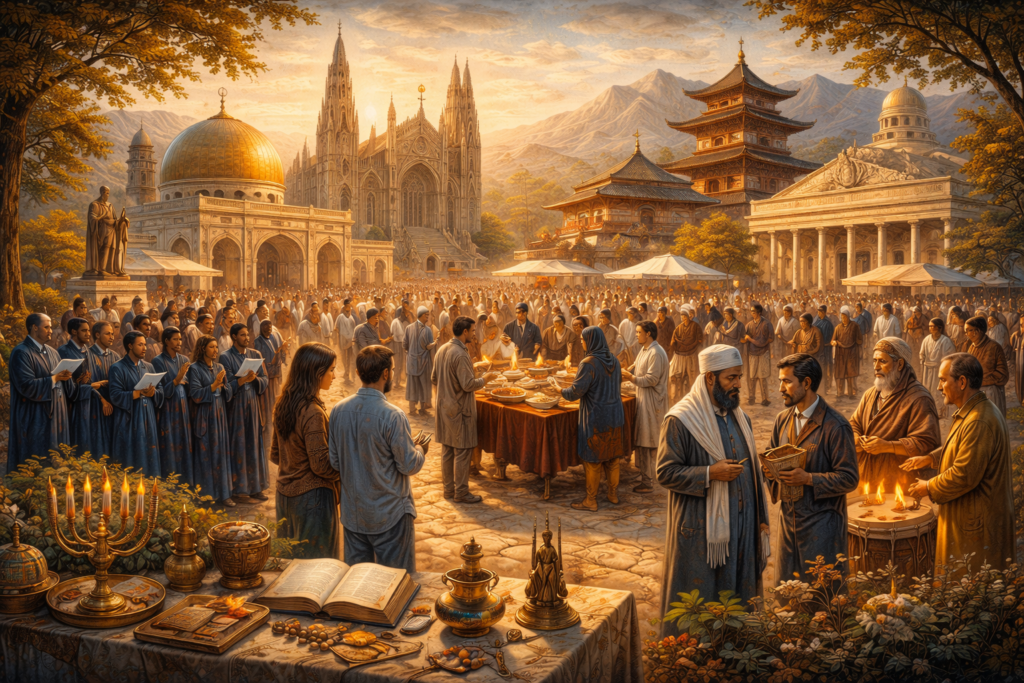
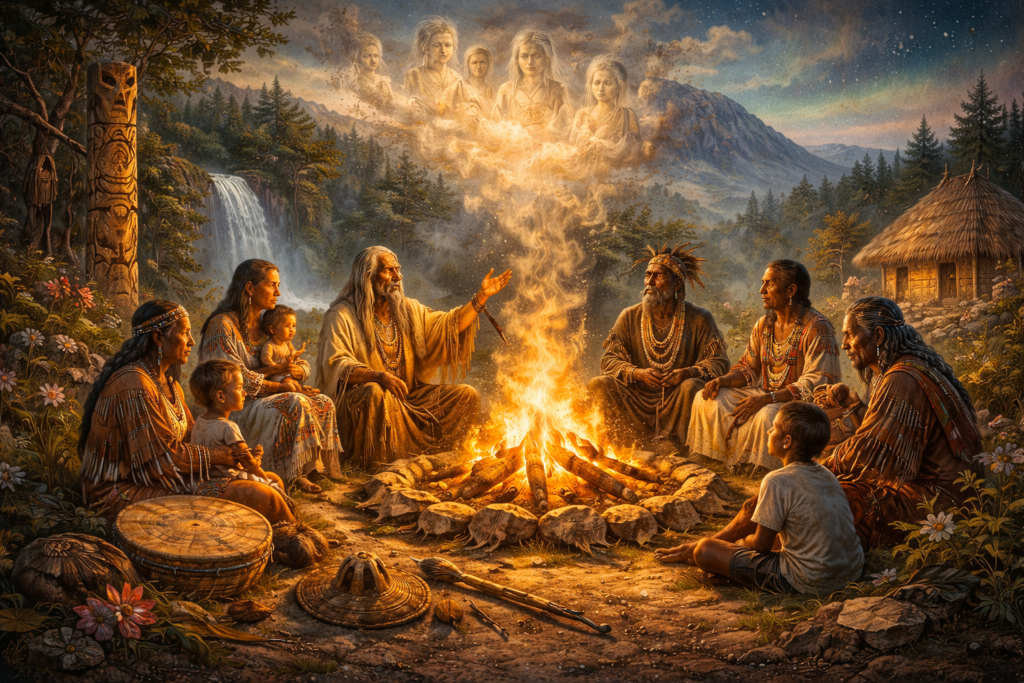
Religion and Ecology examines the ethical, cosmological, ritual, theological, civilizational, and practical worlds through which religious traditions understand the natural world, human responsibility toward land and life, the meaning of creation, the moral status of nonhuman beings, and the ecological consequences of human power. This pillar explores creation and kinship, stewardship and dominion, Indigenous sacred reciprocity, ritual purity and pollution, animals and food ethics, climate crisis, biodiversity loss, ecological grief, and environmental justice across religious traditions. By treating ecological breakdown as not only a technical problem but also a crisis of worldview, moral order, and unequal power, the category provides a serious framework for understanding how religions shape both extractive systems and the ethical resources for restraint, repair, and ecological responsibility.