Pan-African and Black Political Thought: Diaspora, Liberation, Race, and the Struggle for Political Freedom
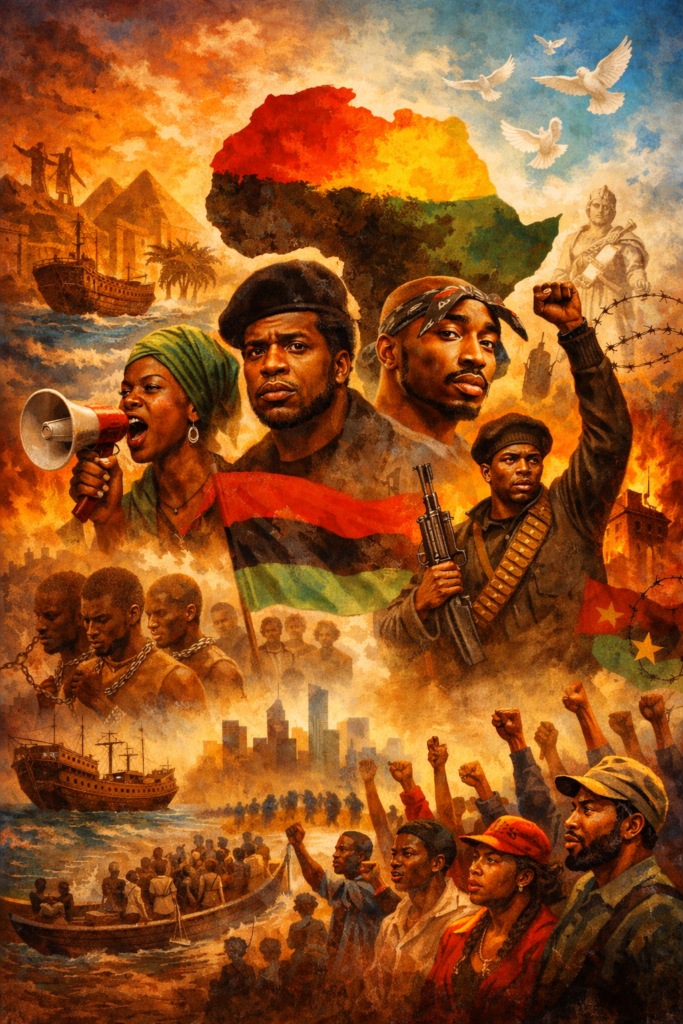
Pan-African and Black political thought form one of the central constellations of political philosophy. This field is not a single doctrine but a broad and internally diverse body of reflection organized around the historical experiences of slavery, colonialism, racial hierarchy, diaspora, empire, dispossession, and the struggle for liberation. At its core lies a defining political question: how should freedom, equality, community, sovereignty, and justice be rethought in a world shaped by anti-Blackness, colonial domination, racial capitalism, and the violent denial of Black humanity? This content pillar explores that question from slavery, abolition, and nineteenth-century Black political struggle through Pan-Africanism, anti-colonial thought, Negritude, Black radicalism, Black Marxism, Black feminist thought, Africana philosophy, and contemporary debates over reparations, policing, migration, citizenship, and decolonial justice.