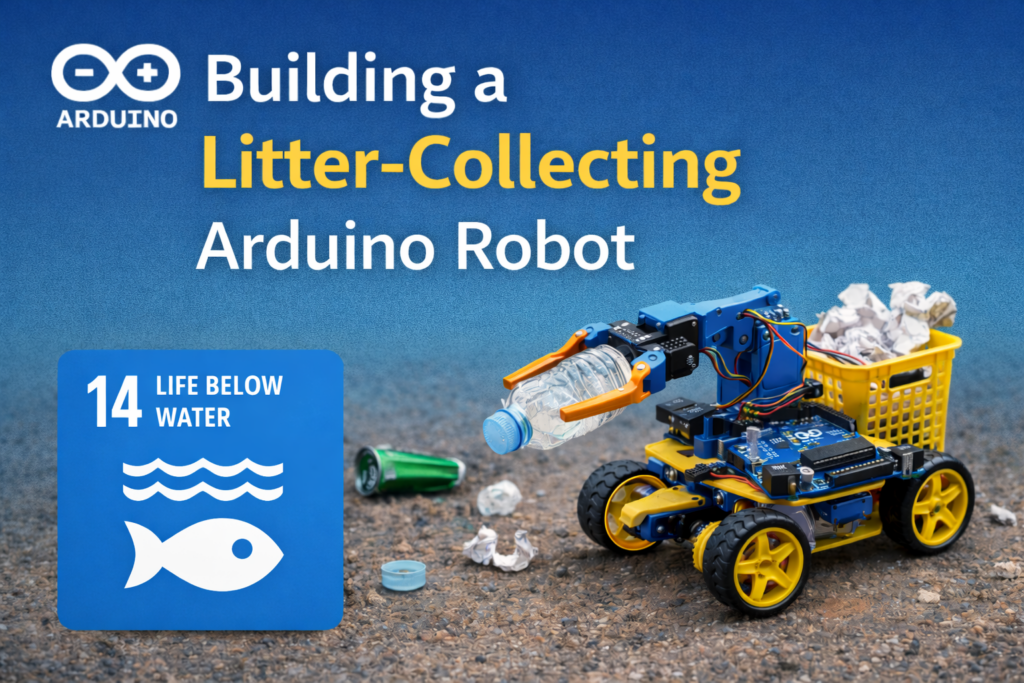
Litter-collecting Arduino robot prototype designed to remove waste and protect marine environments supporting SDG 14 Life Below Water.

Building an Arduino Litter-Collecting Robot (SDG 14: Life Below Water)

An Arduino litter-collecting robot demonstrates how low-cost robotics can support environmental cleanup, pollution prevention, and SDG 14: Life Below Water. This project combines an Arduino-compatible microcontroller with ultrasonic sensing, a differential-drive chassis, motor control, and a servo-actuated gripper to detect nearby objects and attempt lightweight debris collection. While the prototype is not a field-ready autonomous cleanup machine, it shows how sensing, mobility, and actuation can be combined into a practical environmental robotics system. The article connects the build to intelligent infrastructure, environmental monitoring, novel entities and synthetic overload, freshwater risk, ocean protection, planetary boundaries, and sustainable development, showing how maker-scale robotics can model larger systems for reducing land-based waste before it reaches rivers, wetlands, coastlines, and oceans.
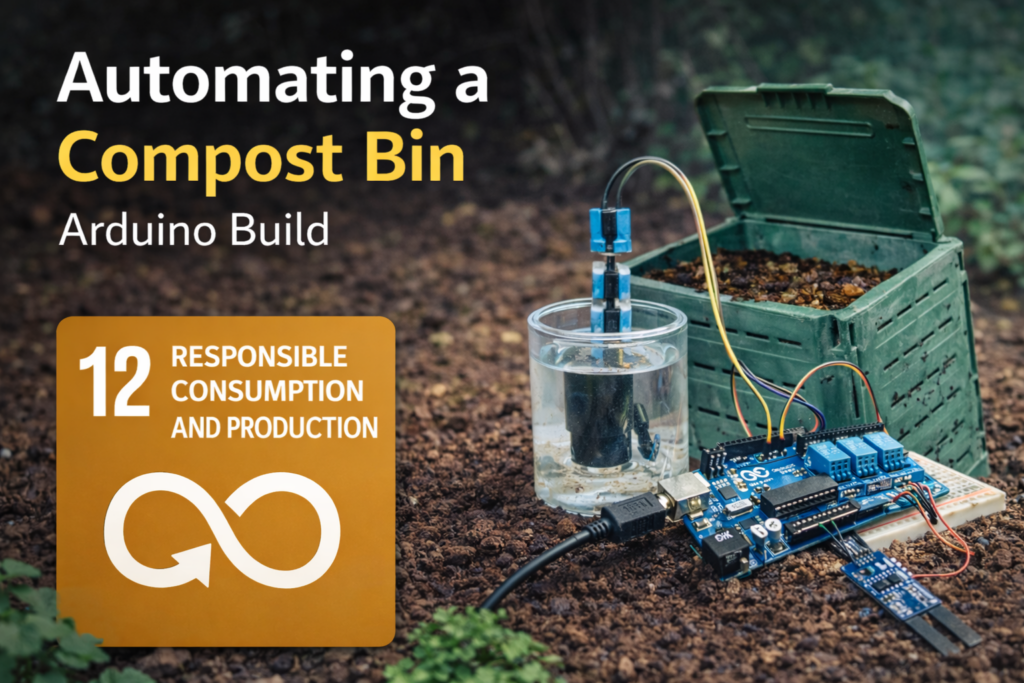
Arduino compost bin automation system with temperature, moisture, and environmental sensors supporting SDG 12 Responsible Consumption and Production.

Building an Arduino Compost Monitoring System (SDG 12: Responsible Consumption and Production)

An Arduino compost monitoring system demonstrates how low-cost embedded sensing can support waste reduction, soil stewardship, and SDG 12: Responsible Consumption and Production. This project combines an Arduino-compatible microcontroller with a waterproof temperature probe, moisture-related sensing, and optional ambient temperature and humidity readings to observe compost conditions in real time. While the prototype is not an industrial compost-management instrument, it shows how temperature, moisture, and environmental context can make biological decomposition easier to understand and manage. The article connects the build to environmental monitoring systems, intelligent infrastructure, biogeochemical flows, land-system change, planetary boundaries, and sustainable development, showing how practical sensor projects can support circular organic waste systems, nutrient recovery, compost quality, and more responsible resource use.

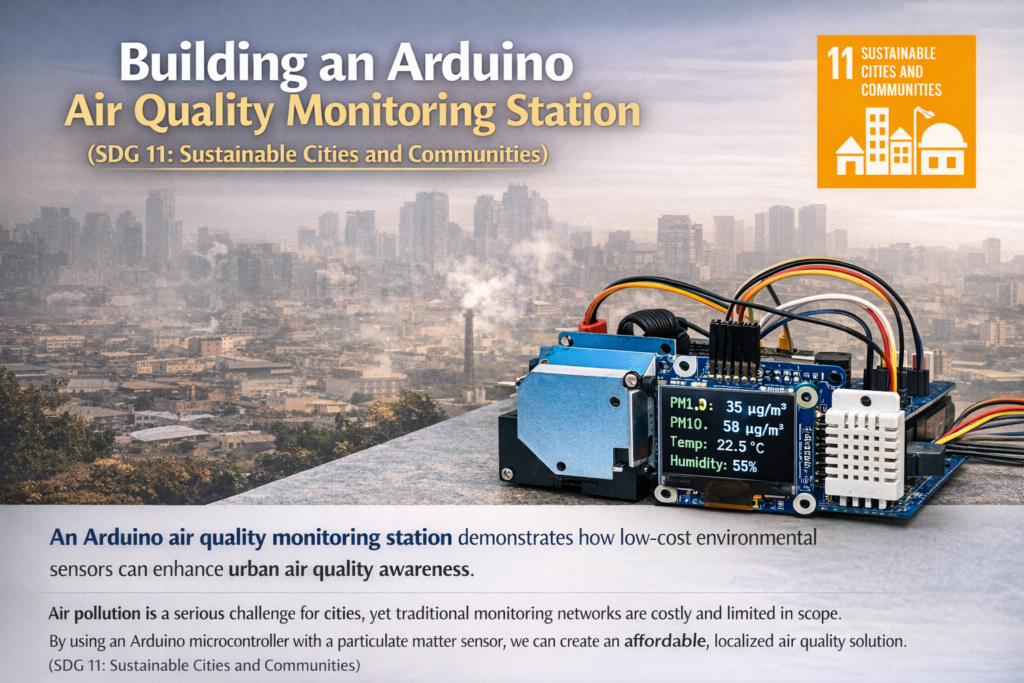
Arduino air quality monitoring station with particulate matter sensor and environmental sensors measuring PM1.0 PM2.5 and PM10 pollution levels to support urban air monitoring and SDG 11 Sustainable Cities and Communities.

Building an Arduino Air Quality Monitoring Station (SDG 11: Sustainable Cities and Communities)

An Arduino air quality monitoring station demonstrates how low-cost embedded sensing can support urban environmental awareness, neighborhood-scale monitoring, and SDG 11: Sustainable Cities and Communities. This project combines an Arduino-compatible microcontroller with a particulate matter sensor and temperature/humidity sensing to measure PM1.0, PM2.5, PM10, and atmospheric conditions in real time. While the prototype is not a certified regulatory instrument, it shows how distributed monitoring can make localized air-quality variation more visible for classrooms, community science, sustainability labs, and urban infrastructure projects. The article connects the build to environmental monitoring systems, intelligent infrastructure, atmospheric aerosol loading, climate change, planetary boundaries, and sustainable development, showing how practical sensor projects can help communities observe environmental risk more clearly and support healthier, more resilient cities.

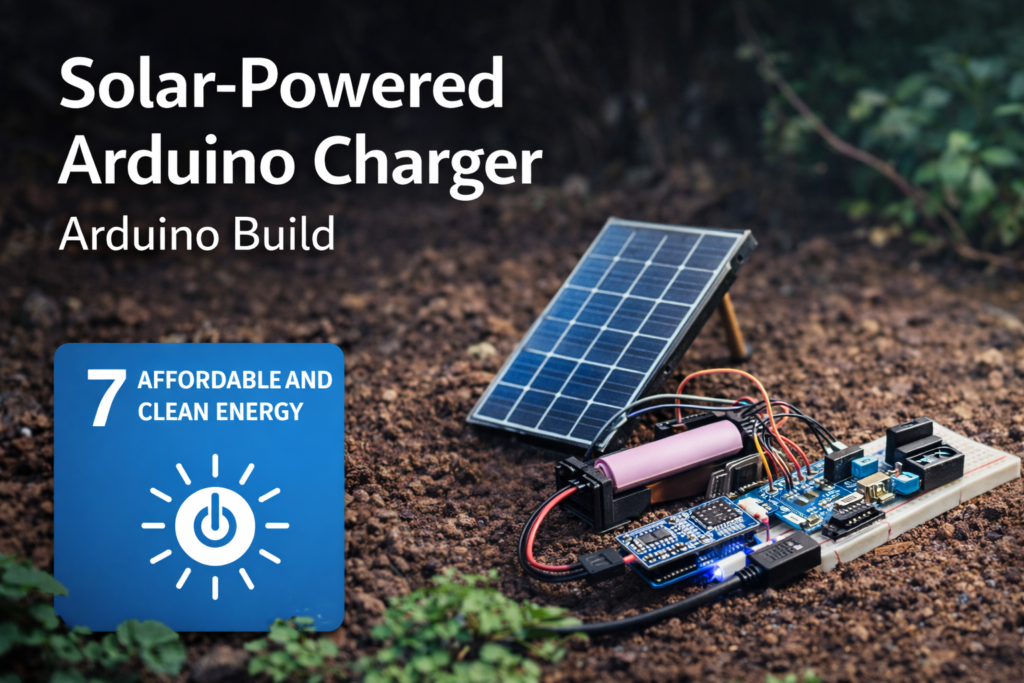
Solar powered Arduino charger prototype with solar panel, lithium battery, and charging module demonstrating a small renewable energy system

Building a Solar-Powered Arduino Charging System (SDG 7: Affordable and Clean Energy)

A solar-powered Arduino charger demonstrates how small renewable energy systems can capture, store, regulate, and distribute electricity at the edge of the grid. This project combines a solar panel, lithium-ion battery, TP4056 charging module, boost converter, and Arduino-based voltage monitoring circuit to create a compact renewable charging prototype. While the build is not a certified consumer charger or replacement for grid infrastructure, it shows how decentralized energy systems can support energy access, field monitoring, emergency resilience, and clean-energy education. The article connects the project to intelligent infrastructure, environmental monitoring systems, SDG 7: Affordable and Clean Energy, climate change as a planetary boundary, and sustainable development, showing how practical maker-scale systems can make renewable energy generation, storage, and monitoring more tangible.

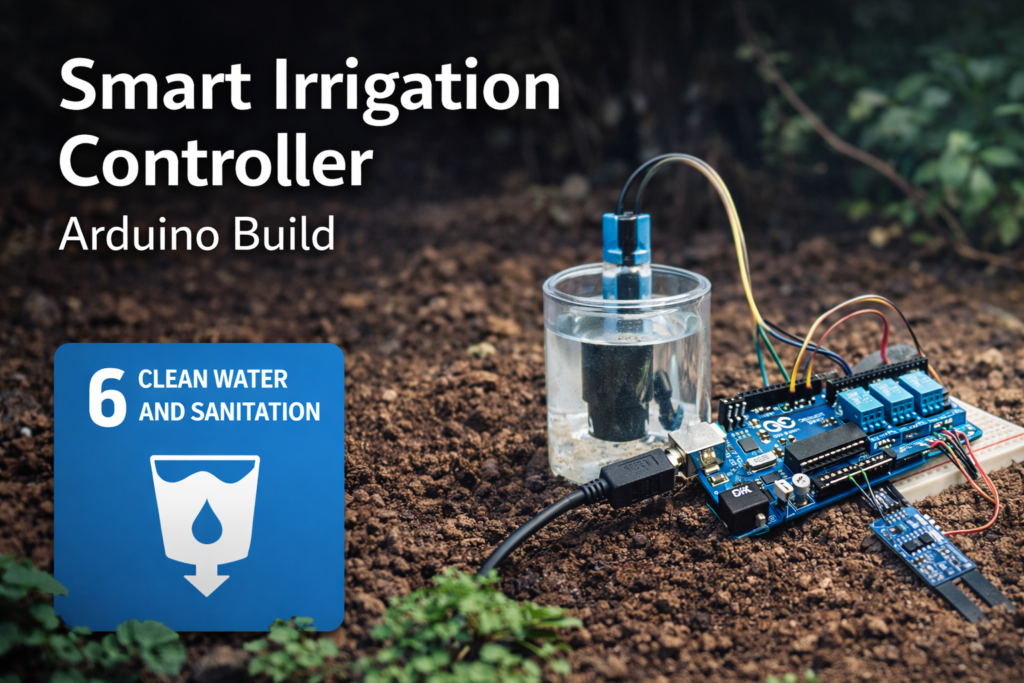
Arduino smart irrigation controller prototype with breadboard and sensor setup for water-efficient monitoring

Building an Arduino Smart Irrigation Controller (SDG 6: Clean Water and Sanitation)

A smart irrigation controller with Arduino demonstrates how low-cost sensing and automation can support more efficient freshwater use, small-scale agriculture, and SDG 6: Clean Water and Sanitation. This project combines an Arduino-compatible microcontroller with a capacitive soil moisture sensor, optional temperature and humidity sensing, relay control, and a small pump to water plants only when measured soil conditions indicate dryness. While the prototype is not a production agricultural controller, it shows how feedback systems can replace fixed irrigation schedules with responsive, data-informed decisions. The article connects the build to environmental monitoring systems, intelligent infrastructure, freshwater change, land-system transformation, planetary boundaries, and sustainable development, showing how practical embedded systems can support water efficiency, resilient growing systems, and more responsible resource management.

Arduino projects supporting sustainable development and the UN Sustainable Development Goals including water monitoring, renewable energy, and environmental sensing

Arduino Projects for Sustainable Development: 10 SDG-Aligned Builds

Arduino projects for sustainable development show how low-cost embedded systems can support environmental monitoring, renewable energy experimentation, water stewardship, circular resource use, and biodiversity protection aligned with the United Nations Sustainable Development Goals. This pillar serves as the central index for ten hands-on projects, including smart irrigation, solar charging, air quality monitoring, compost sensing, litter-collecting robotics, energy monitoring, recycling sorting, wildlife tracking, water quality sensing, and beehive health monitoring. Each project connects practical Arduino prototyping with broader sustainability themes such as freshwater risk, climate change, intelligent infrastructure, environmental monitoring systems, circular material flows, and biosphere integrity. Together, the series shows how sustainable development depends not only on policy frameworks, but also on measurable systems that observe environmental conditions and support better decisions.

Technical embedded systems workspace featuring a PYNQ-Z2 FPGA board, STM32 microcontroller board, breadboarded sensors, logic analyzer traces, Linux terminal windows, TinyML inference visualizations, and PYNQ Python code displayed across multiple monitors.

Energy-Efficient Embedded Systems for Sustainable Digital Infrastructure

Energy-Efficient Embedded Systems for Sustainable Digital Infrastructure examines how sustainable digital infrastructure depends on mapping workloads across ultra-low-power MCU endpoints, Linux-capable edge nodes, and adaptive acceleration platforms rather than treating all embedded compute as the same design problem. The article argues that embedded efficiency is best understood as a systems-engineering question about duty-cycling, memory discipline, local inference, power-state control, and lifecycle servicing, since billions of deployed devices turn small per-device inefficiencies into infrastructure-scale energy, maintenance, and material burdens. It explores Cortex-M event-driven design, TinyML on constrained endpoints, Linux CPUFreq and scheduler-aware edge tuning, and PYNQ-based adaptive acceleration, showing that durable digital infrastructure depends on choosing the lightest adequate compute tier and minimizing both active-time energy and long-run maintenance overhead.

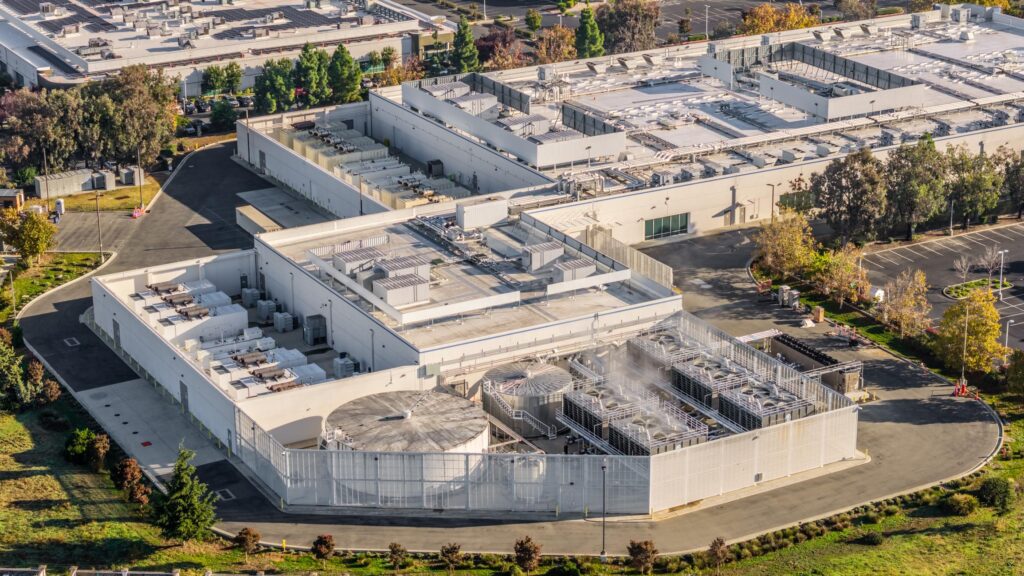
Environmental cost of data centers powering artificial intelligence infrastructure

Environmental Cost of Data Centers: Energy, Water, and AI Infrastructure

Data centers make the cloud physically visible: servers, cooling systems, electrical substations, backup power, water systems, land, buildings, and global supply chains. As artificial intelligence and cloud computing expand, these facilities are becoming major infrastructure systems with significant environmental costs. This article examines data centers through the lens of energy demand, water consumption, cooling design, grid expansion, AI compute growth, hardware supply chains, and public accountability. It argues that digital infrastructure cannot be evaluated only by speed, scale, or efficiency metrics. Its sustainability depends on where power comes from, how water is used, how cooling systems are designed, how hardware is produced and retired, and whether communities can understand and govern the impacts of the infrastructure behind the cloud.

Destroyed urban landscape illustrating the long-term impact of attrition warfare in armed conflict.

War of Attrition Game Theory: Strategic Endurance in Prolonged Conflict

War of Attrition Game Theory explains why conflicts can persist long after their costs appear to outweigh the value of victory. In prolonged contests, strategy turns on endurance, uncertainty, signaling, resource depletion, and the credibility of each actor’s willingness to suffer longer than its opponent. This article examines the war-of-attrition model from evolutionary game theory and applies it to military conflict, bargaining, commitment problems, sunk costs, asymmetric warfare, logistics, institutions, and humanitarian limits. It shows how wars become systemic stress tests for societies, exposing the resilience or fragility of states, alliances, economies, public legitimacy, and social cohesion. Rather than treating attrition as simple persistence, the article frames it as a dynamic interaction among power, time, information, suffering, and political order.

Scroll to Top