Systems Thinking and Levels of Analysis: Micro, Meso, Macro, and Cross-Scale Systems
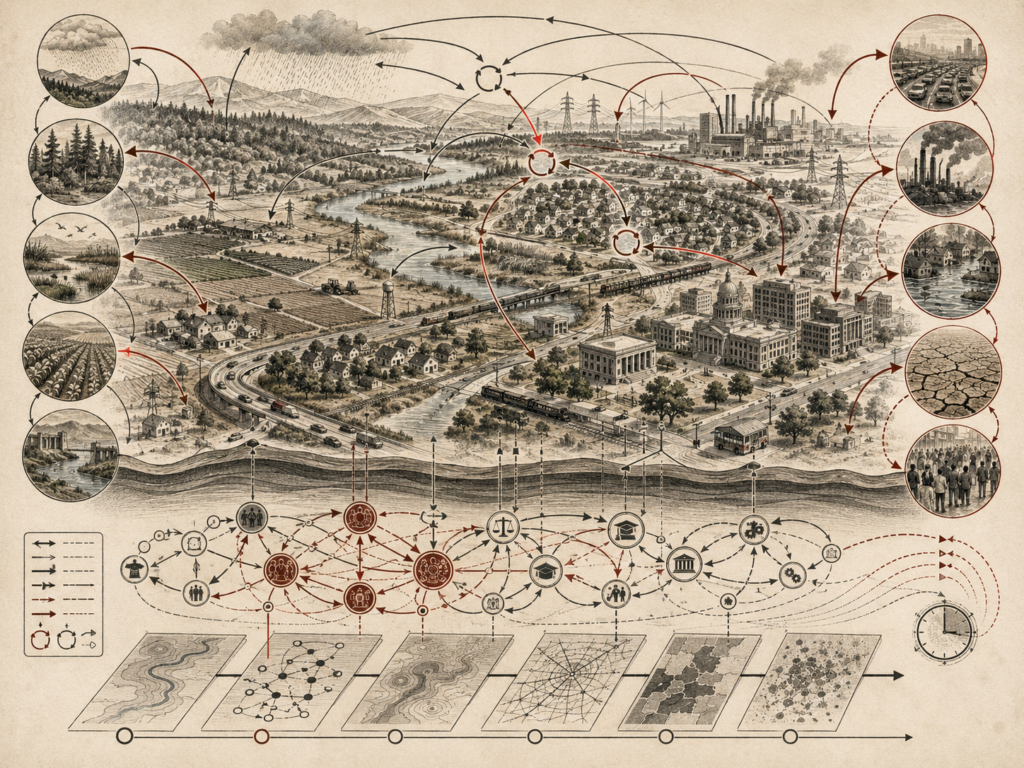
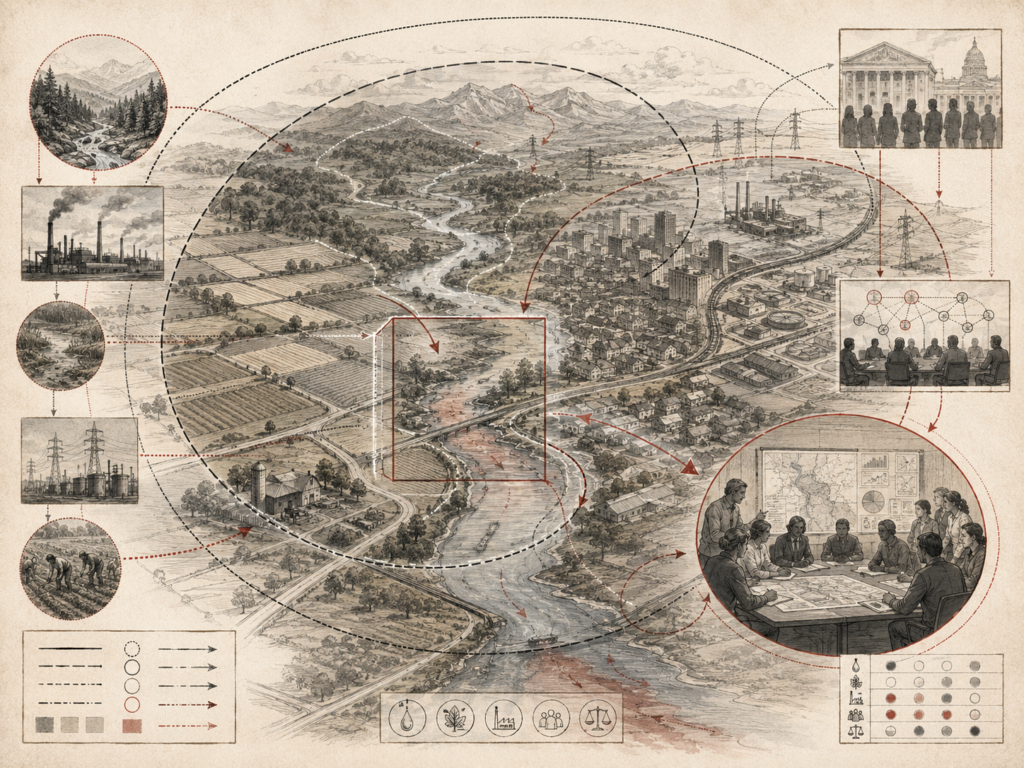
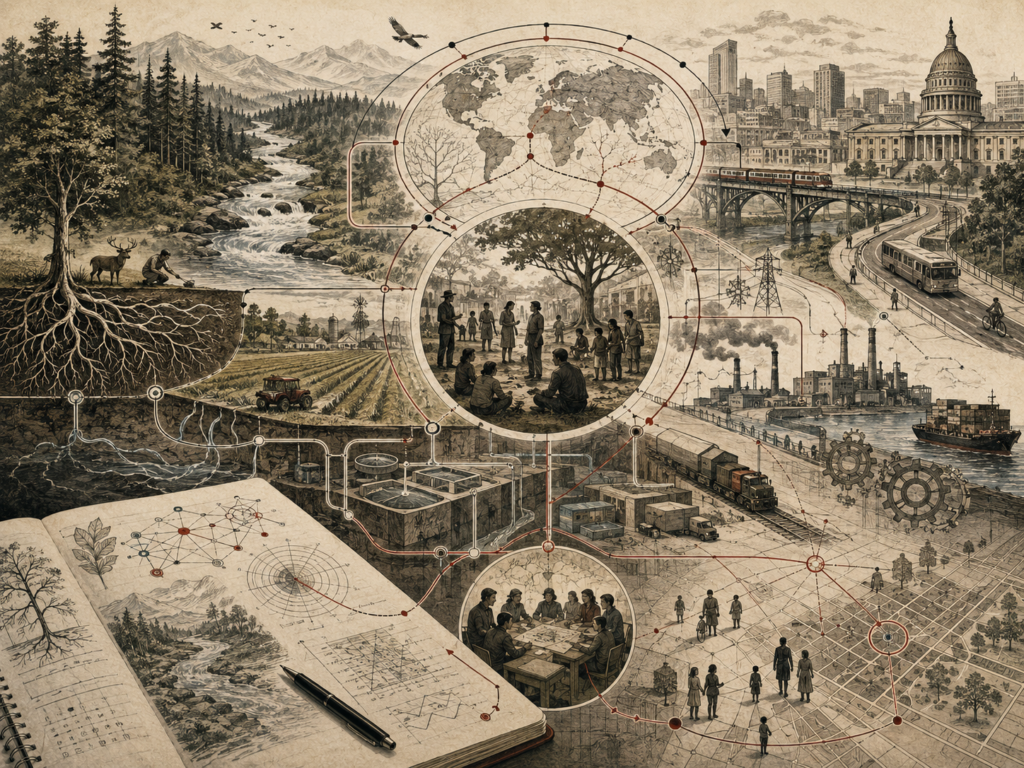
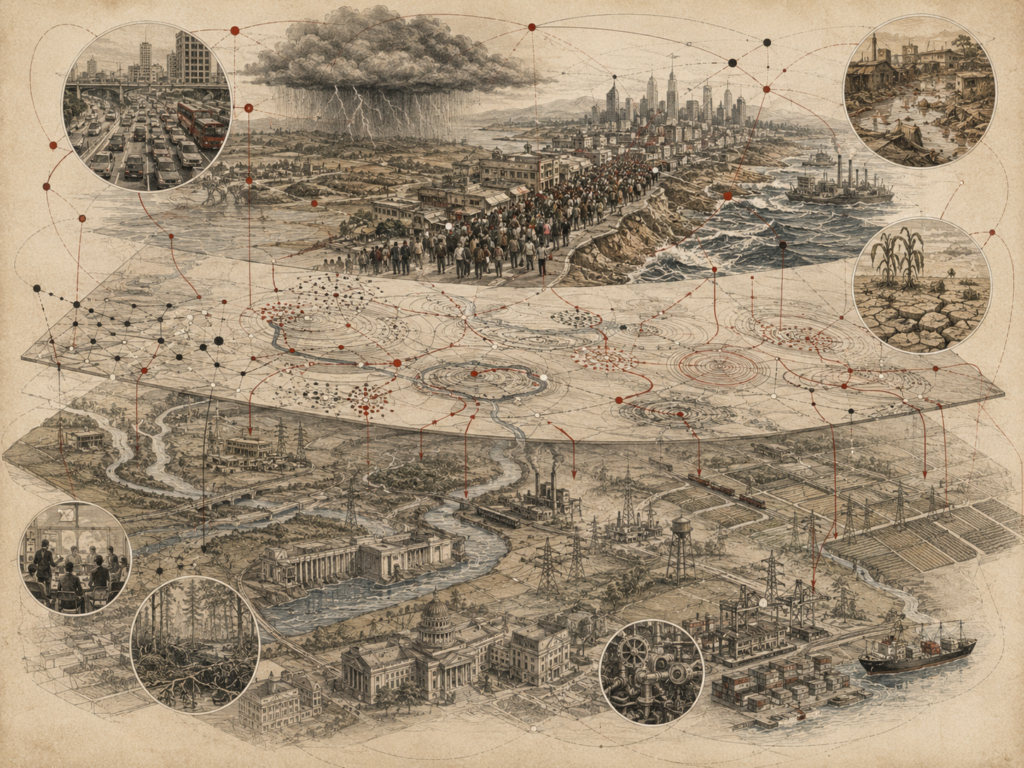
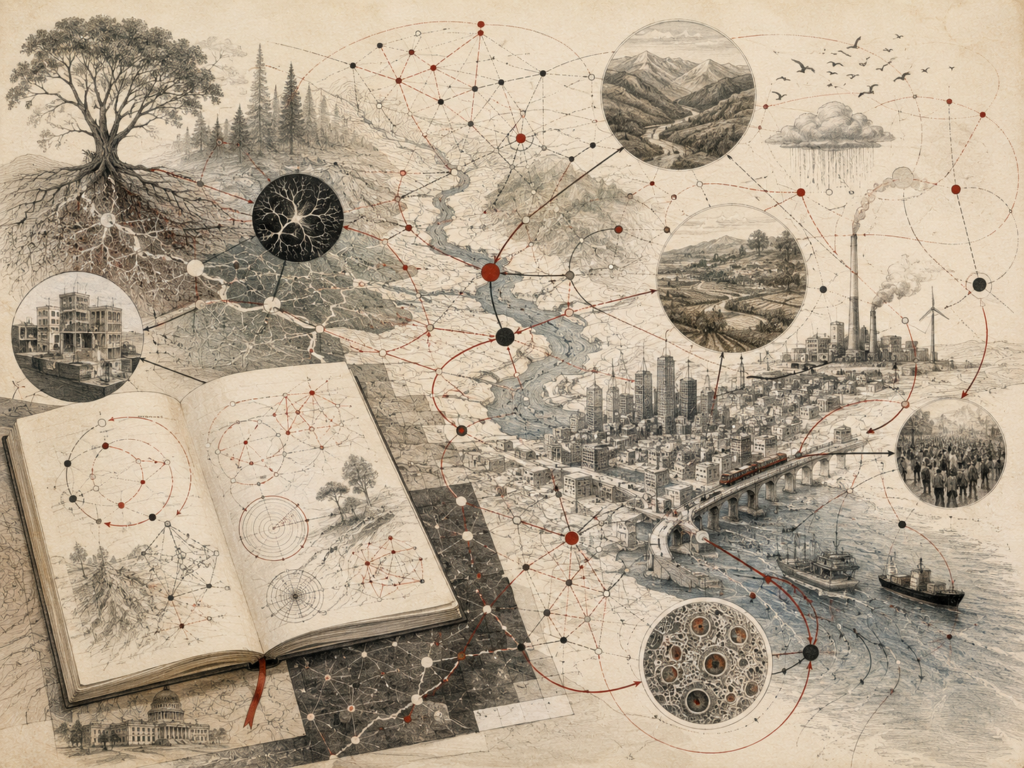
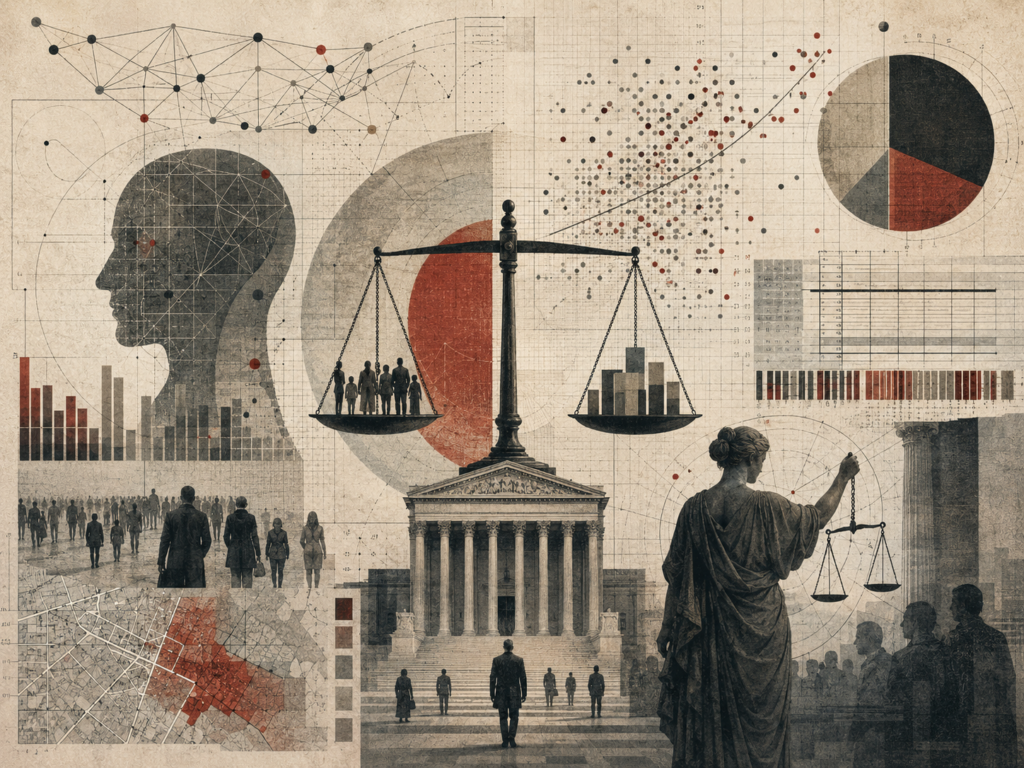
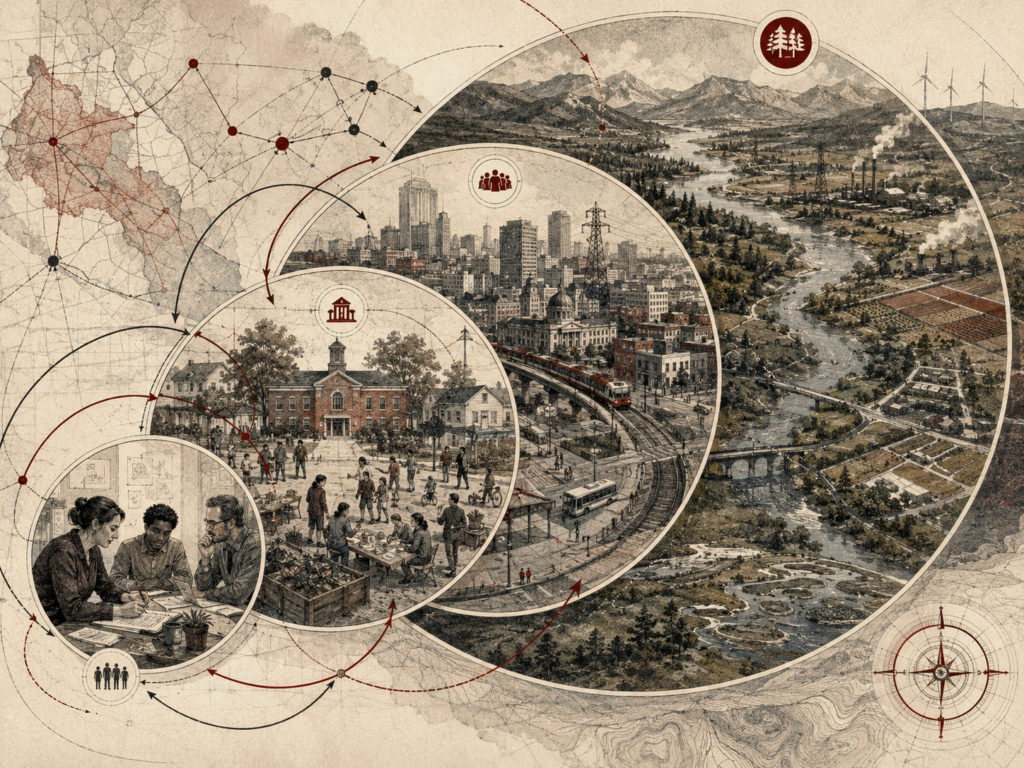
Systems Thinking and Levels of Analysis explains why complex problems change depending on whether they are examined at the individual, team, organizational, institutional, network, ecological, or planetary level. The article shows how systems thinking avoids both reductionist blame and vague abstraction by moving carefully across micro, meso, macro, and cross-scale perspectives. It explores nested systems, upward and downward causation, emergence, aggregation, hidden variation, intervention-level mismatch, and cross-scale feedback. Through examples from public health, education, infrastructure, organizations, artificial intelligence, and climate systems, the article demonstrates why many interventions fail when they act at one level while the problem is generated at another. It also examines the ethical stakes of level choice, showing how explanations can either clarify responsibility or wrongly blame local actors for outcomes produced by broader structures, histories, incentives, and constraints operating across many interacting scales and institutions.