Stress Testing Sustainable Systems
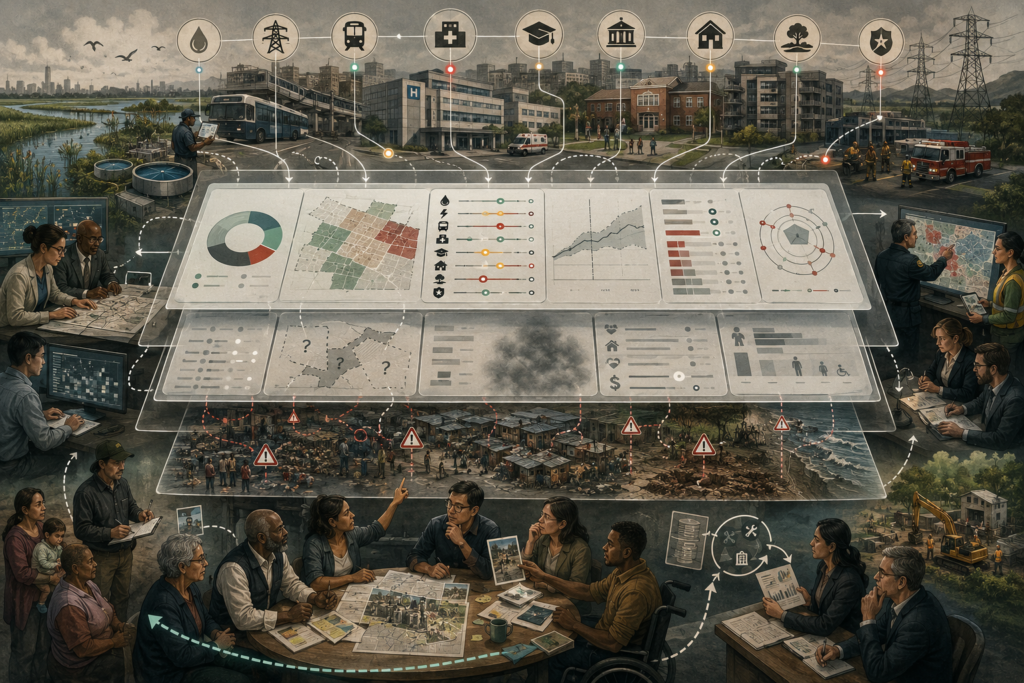
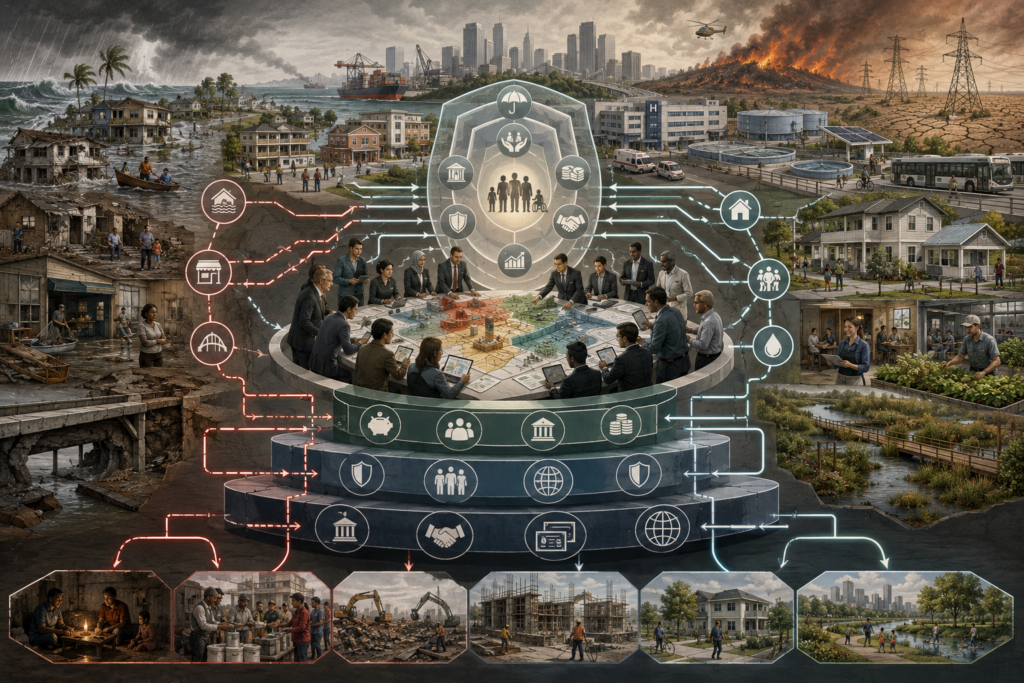
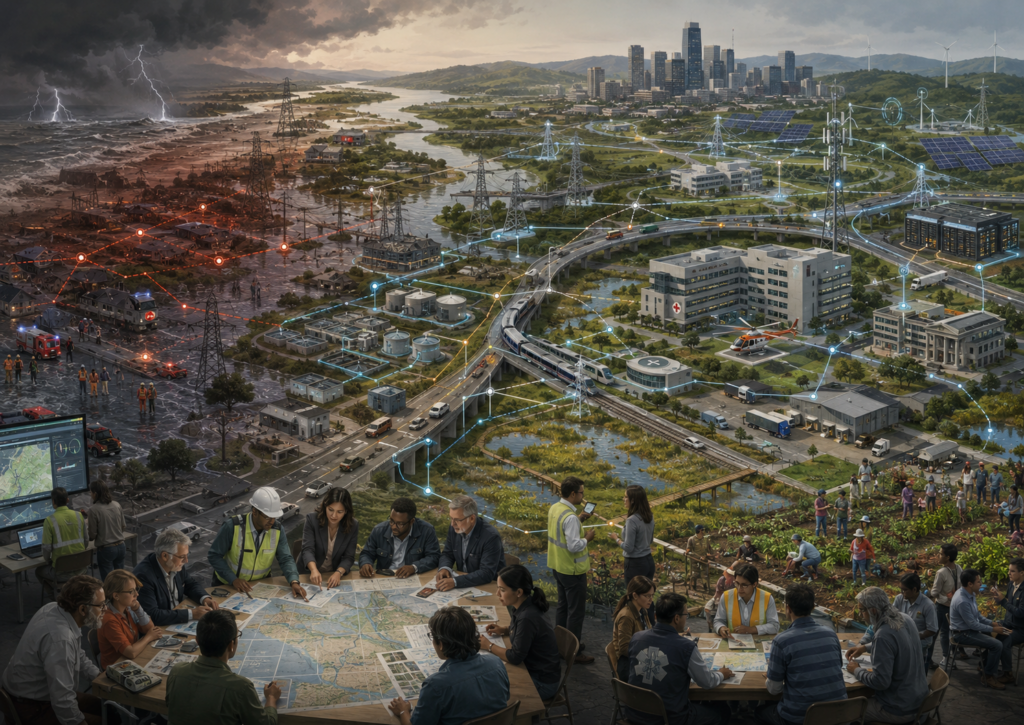
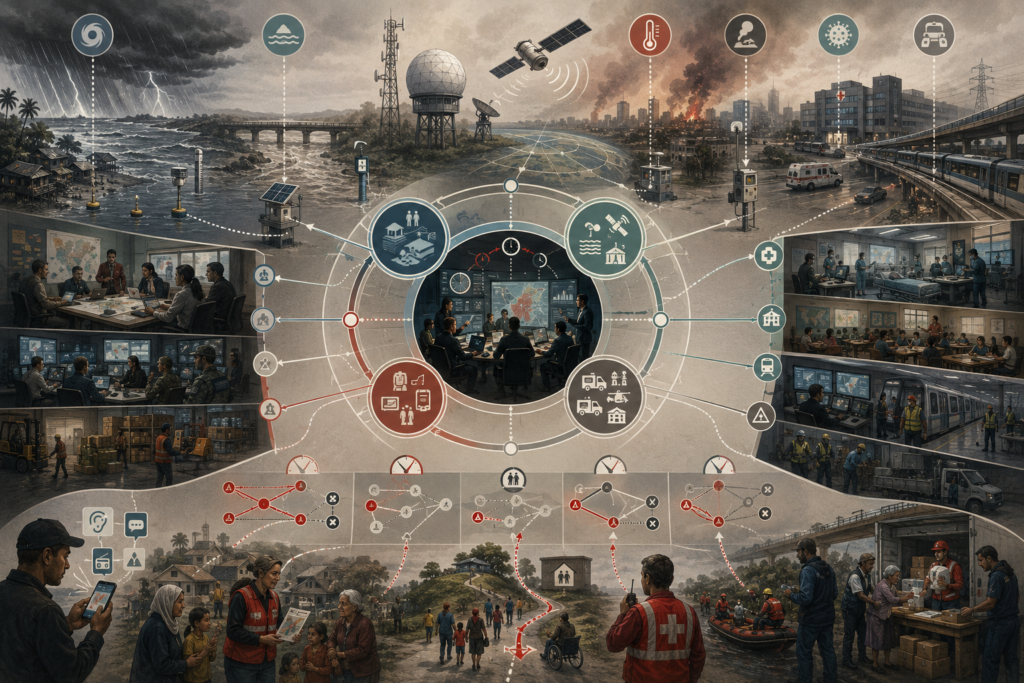
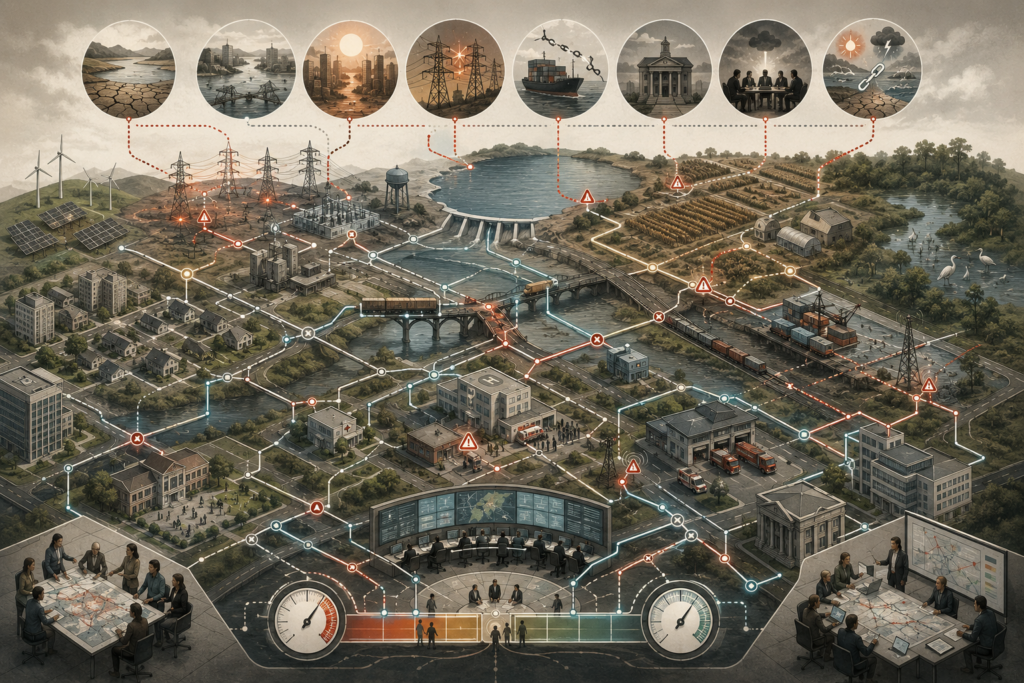
Stress testing sustainable systems matters because systems that appear stable in ordinary periods may fail quickly when exposed to pressure. A water system that works in average rainfall years may fail under prolonged drought. A hospital network that seems adequate in normal demand may become overwhelmed by heat, disease, staffing shortages, or supply disruption. This article explains how stress testing uses adverse scenarios to reveal hidden fragility, thresholds, interdependencies, cascading effects, weak buffers, and service-continuity gaps before crisis arrives. It examines climate and disaster risk, infrastructure, public systems, social vulnerability, governance capacity, and compound stress. Durable sustainability requires more than baseline performance; it requires systems that can withstand pressure, adapt under uncertainty, preserve essential functions, protect vulnerable communities, and learn before failure becomes irreversible or far more costly.