Moral Development in Childhood and Adolescence
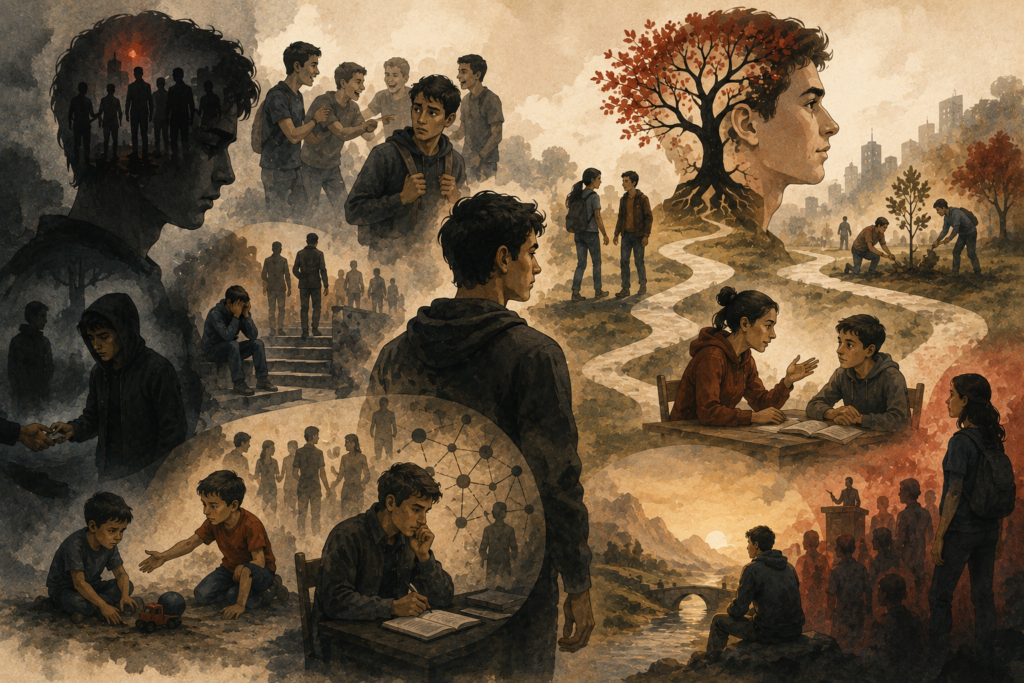
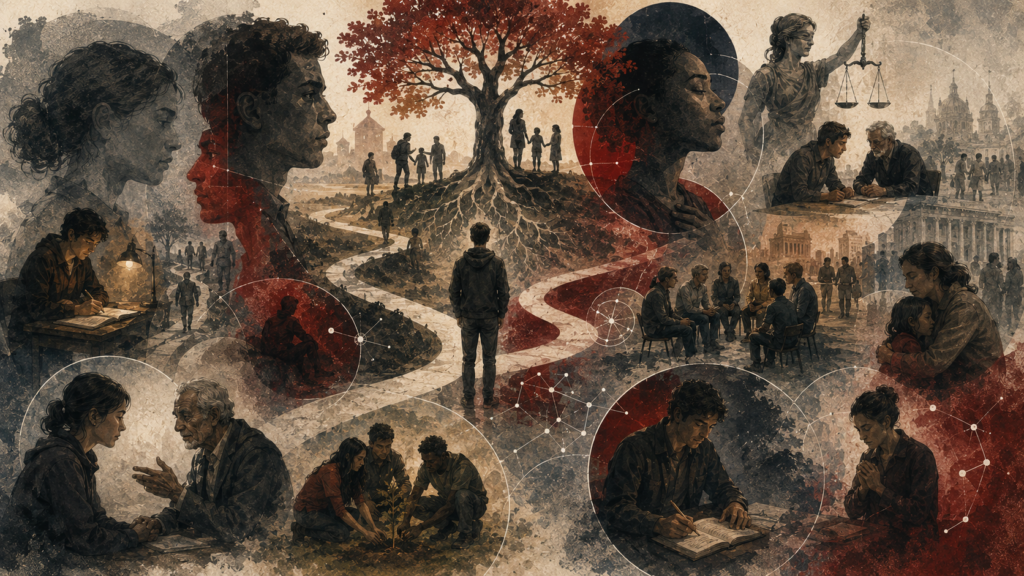
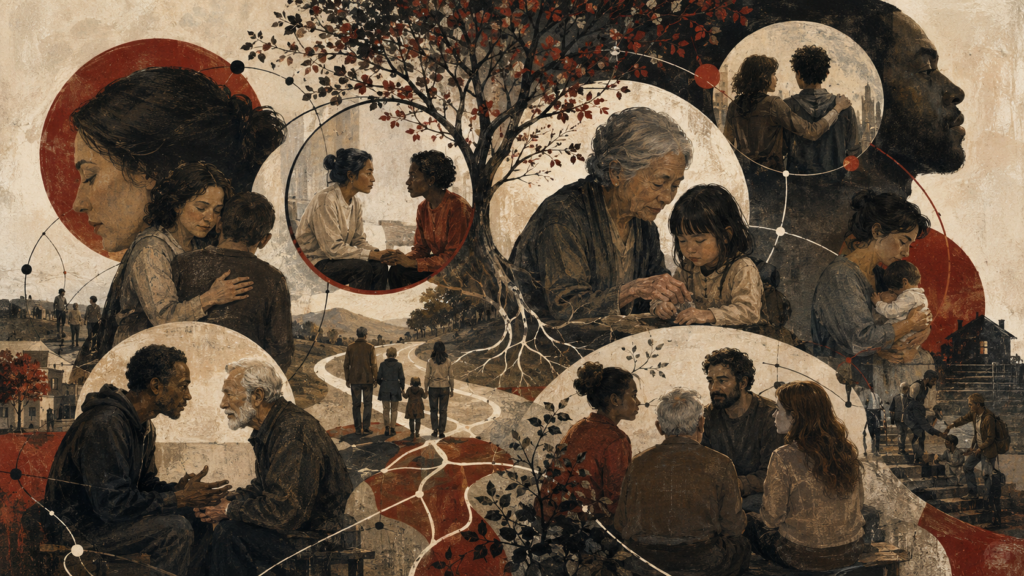
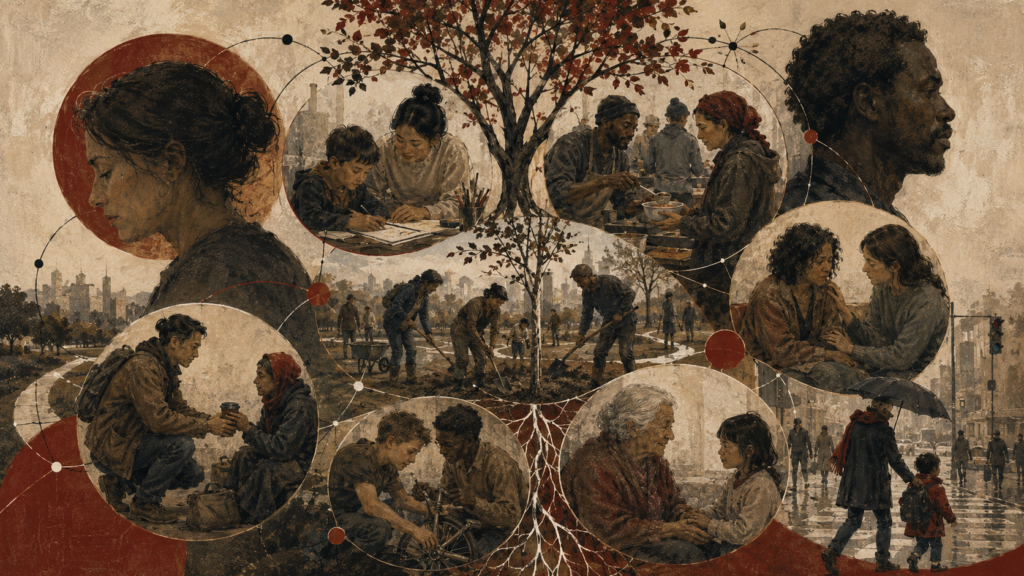
Moral development in childhood and adolescence concerns how human beings come to understand harm, fairness, rules, responsibility, care, and the claims of others across the early life course. This article examines that development through early norm learning, Piaget and Kohlberg’s developmental tradition, social domain theory, empathy, prosociality, peer life, adolescence, and institutional context. It argues that moral growth is not just a matter of later-stage reasoning, but a broader developmental process involving cognition, emotion, social relationships, and the widening moral world children and adolescents inhabit. Contemporary research suggests that many moral capacities emerge early, while adolescence introduces greater complexity through identity, peers, institutions, and social context.