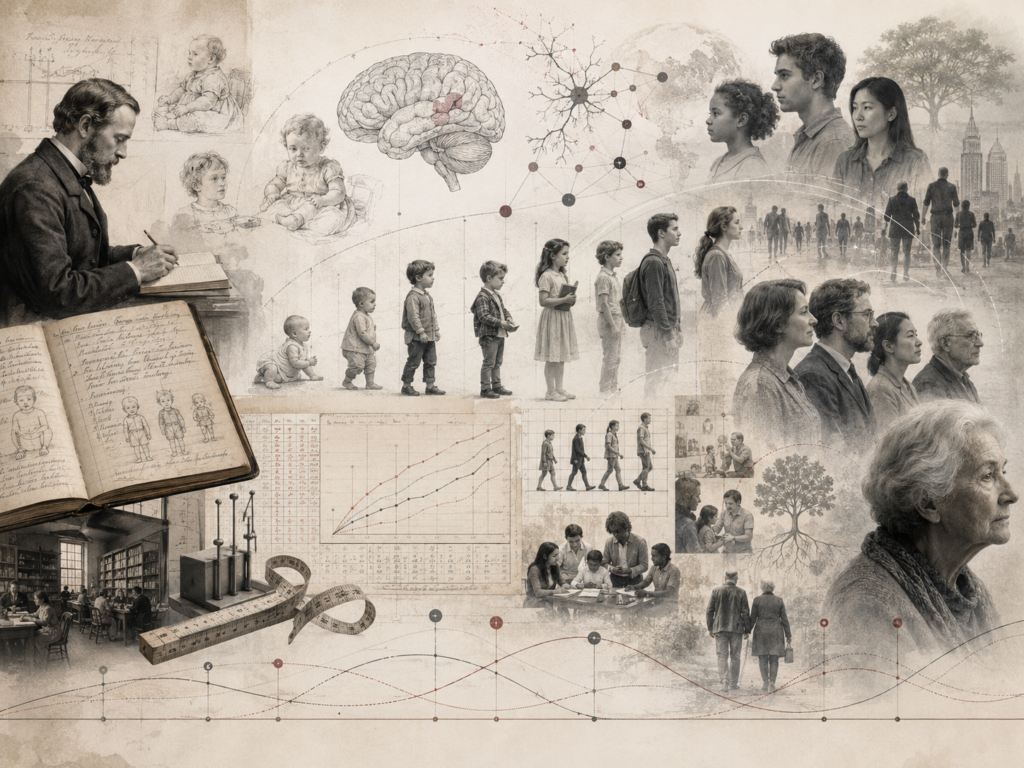
The History of Developmental Psychology: From Child Study to Lifespan Science
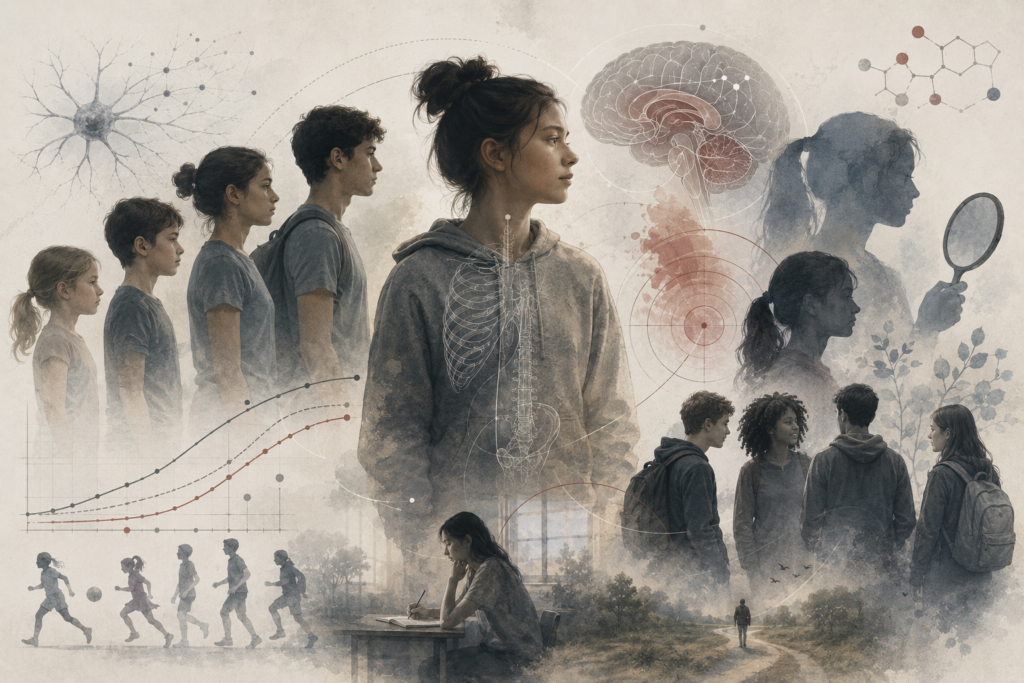
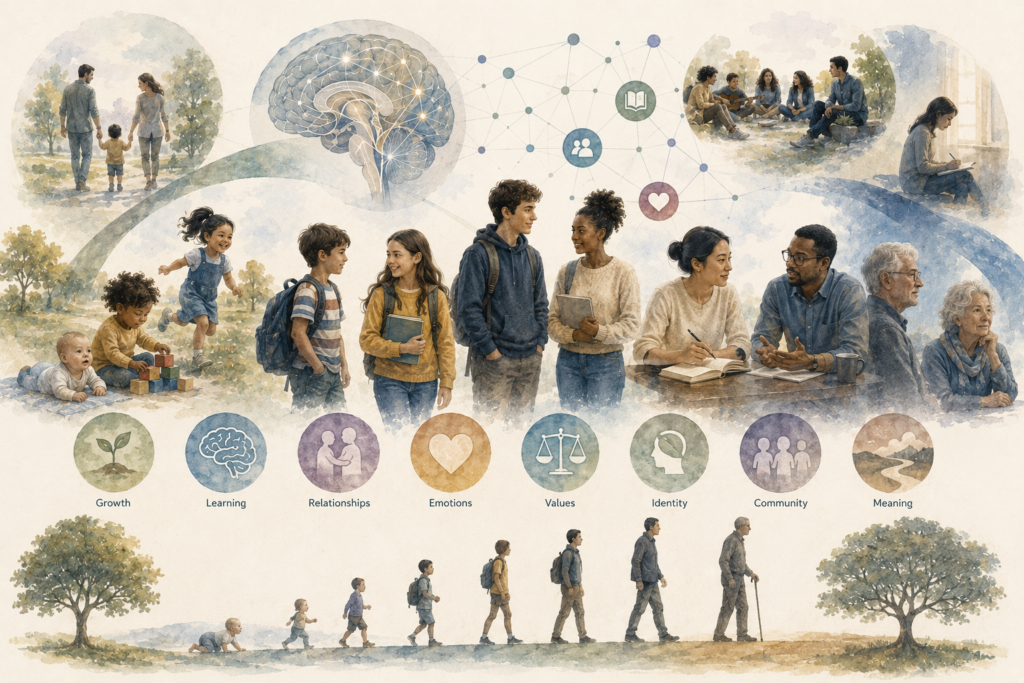
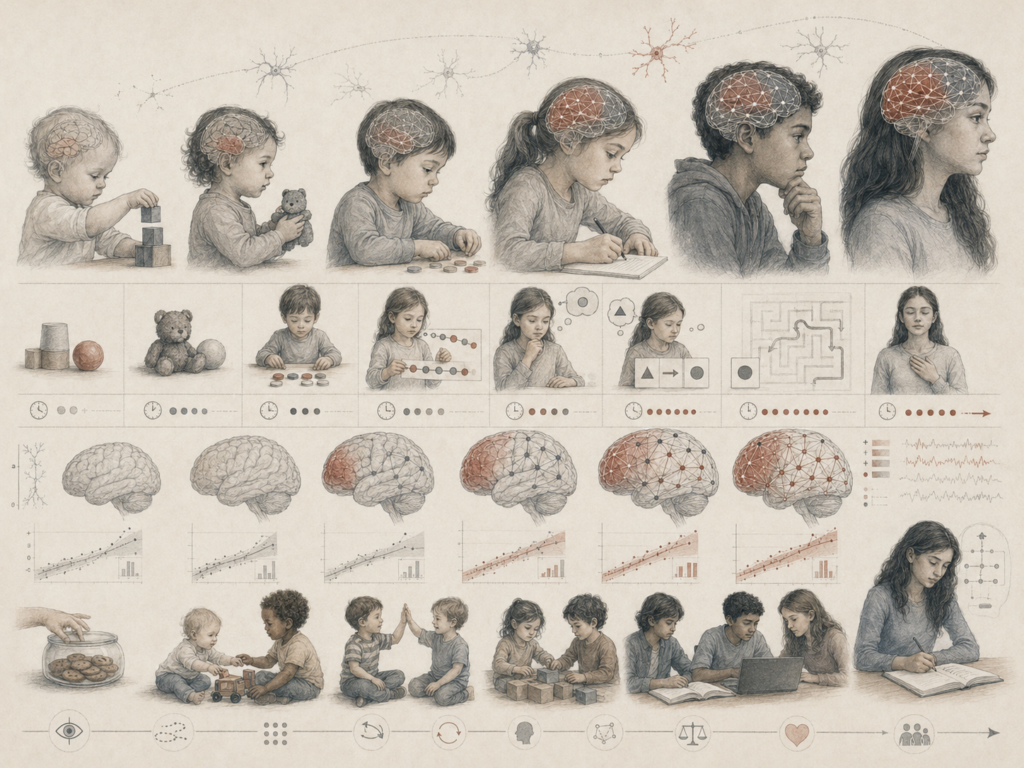
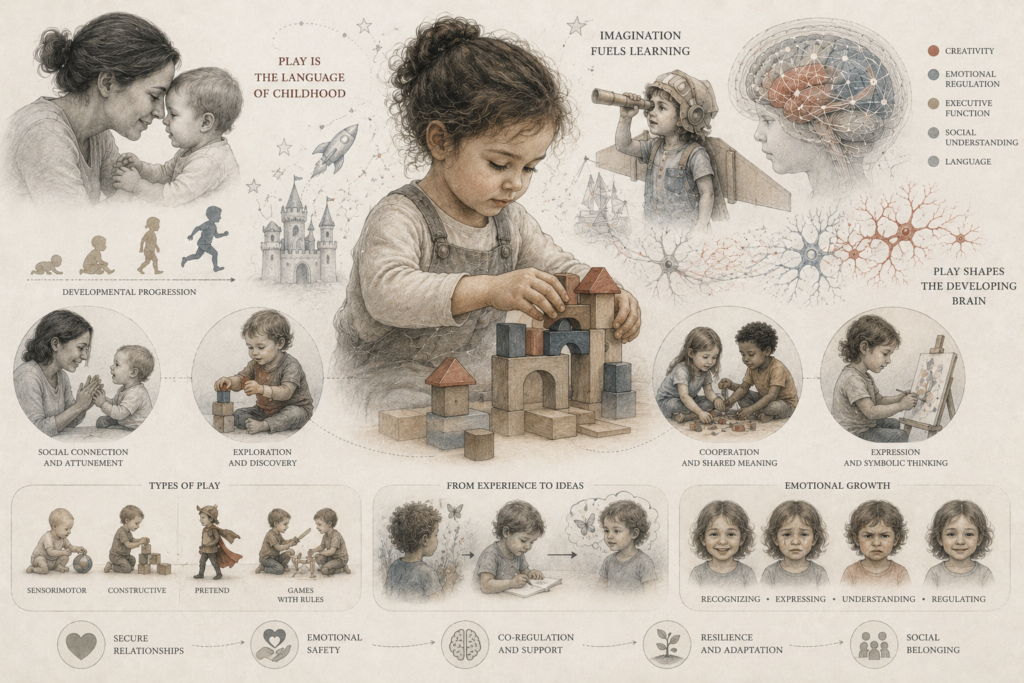
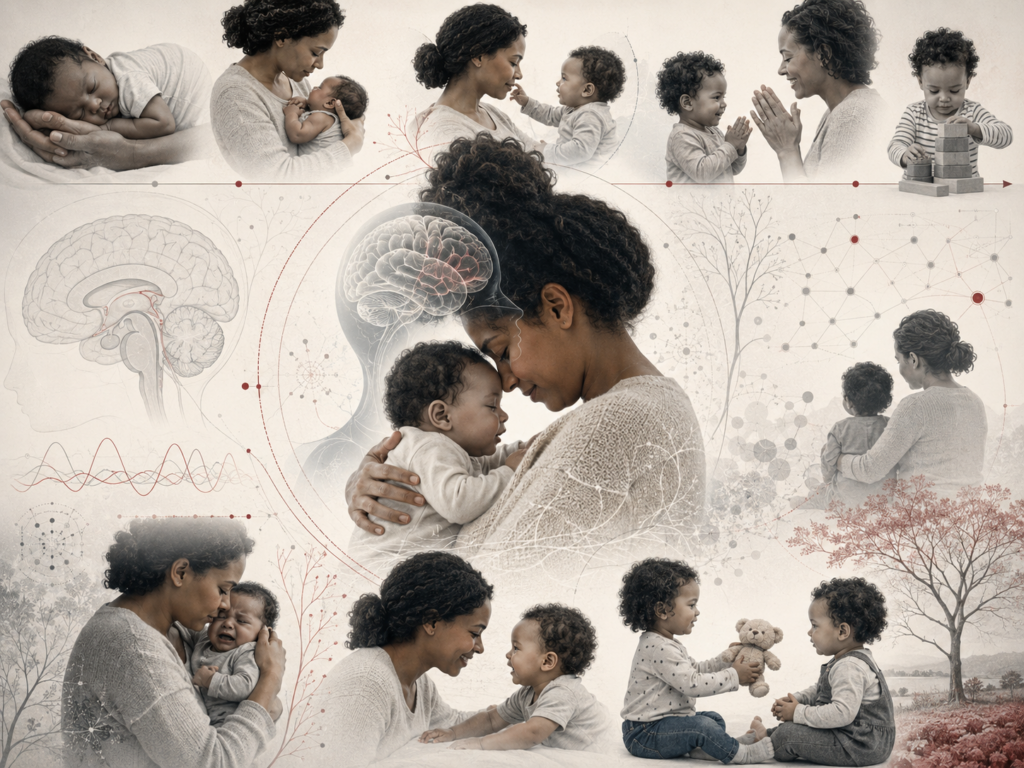
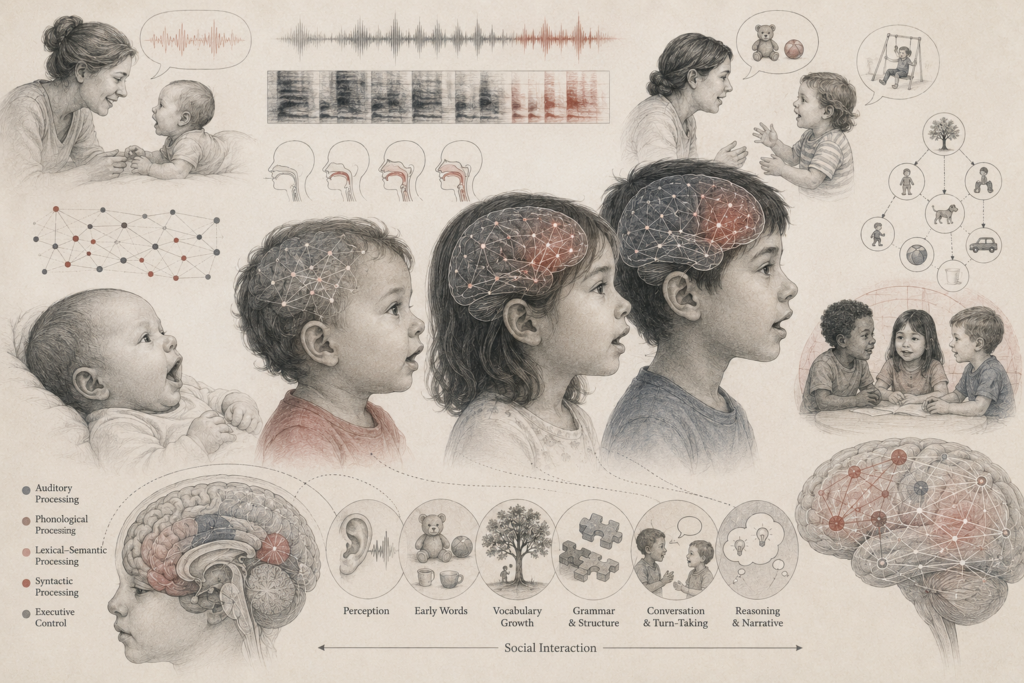
The history of developmental psychology is the history of a field gradually learning to take time, context, and human change seriously. What began as child study, educational observation, and philosophical reflection on growth eventually became a broader science of development across the lifespan. Along the way, the field passed through stage theories, maturational models, psychoanalytic interpretation, learning theory, cognitive developmental frameworks, attachment research, ecological approaches, and lifespan science. Its history is therefore not only a sequence of major theorists, but also a record of shifting assumptions about childhood, adulthood, aging, culture, normality, institutions, inequality, and the changing methods through which human development has been studied.