Cognitive Development and the Growth of Mind
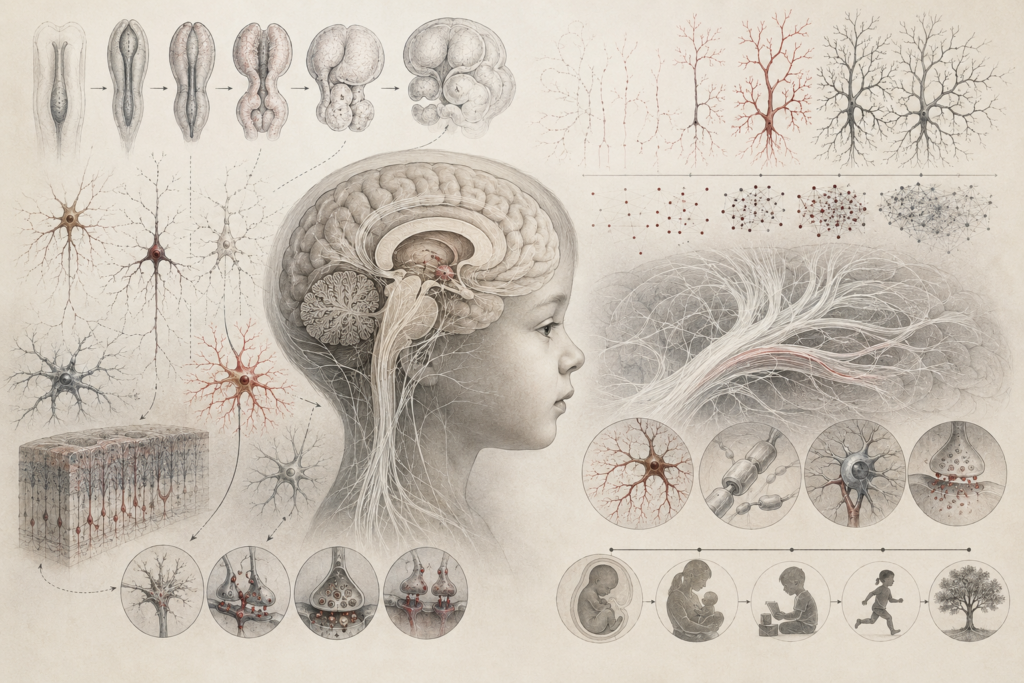
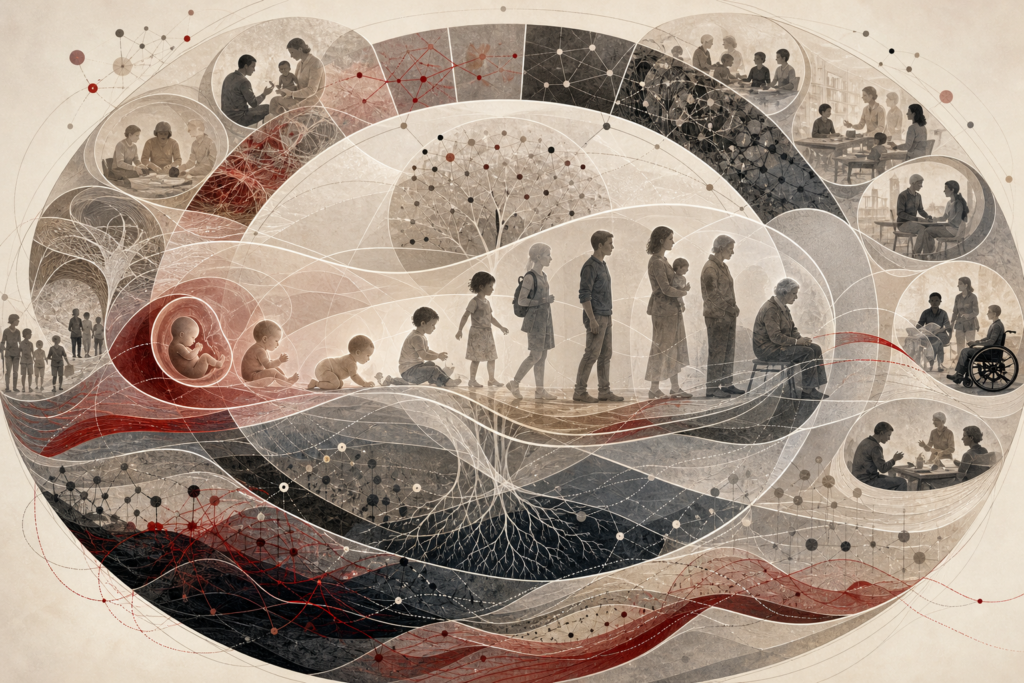
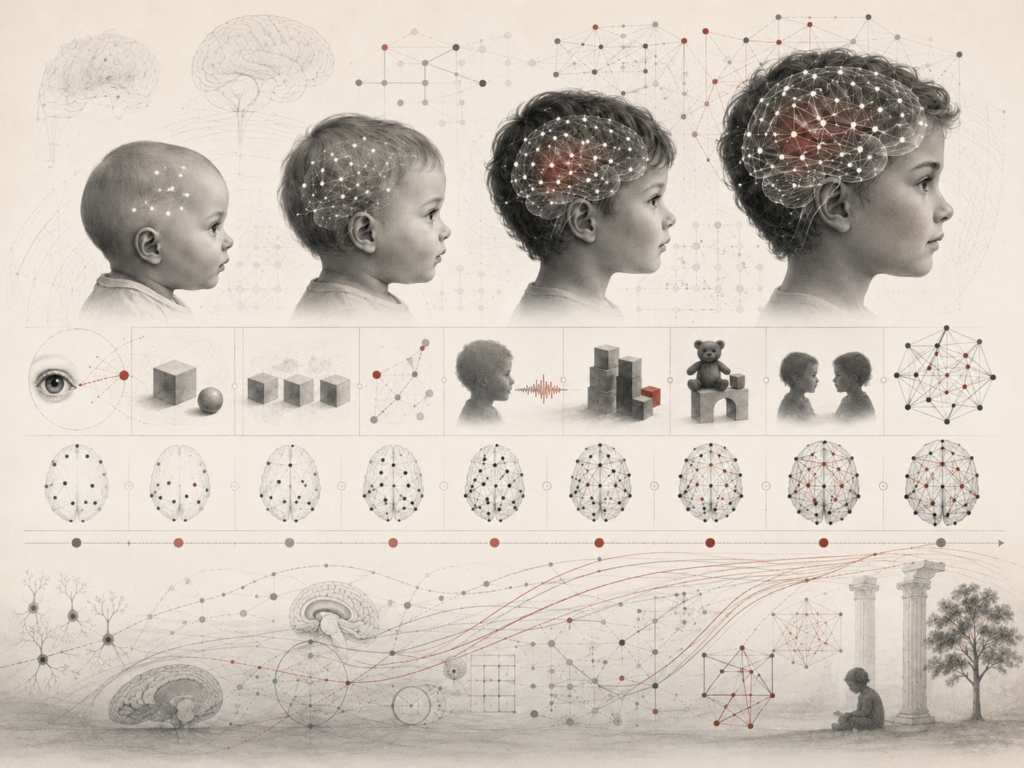
Cognitive development is the growth of mind as an organized human capacity: the emergence of attention, perception, memory, language, reasoning, symbolic thought, and self-regulation across development. This article examines classical theories of cognitive development, the movement from perception to representation, the roles of language and executive function, and the effects of schooling, culture, inequality, disability, and stress on cognitive pathways. It argues that cognition is not simply the accumulation of knowledge or school performance, but the development of mind itself through biological maturation, social interaction, cultural mediation, and institutional context. In that sense, cognitive development stands at the center of developmental psychology’s effort to understand how human beings come to know, think, and understand.