Personality, Work, and Leadership
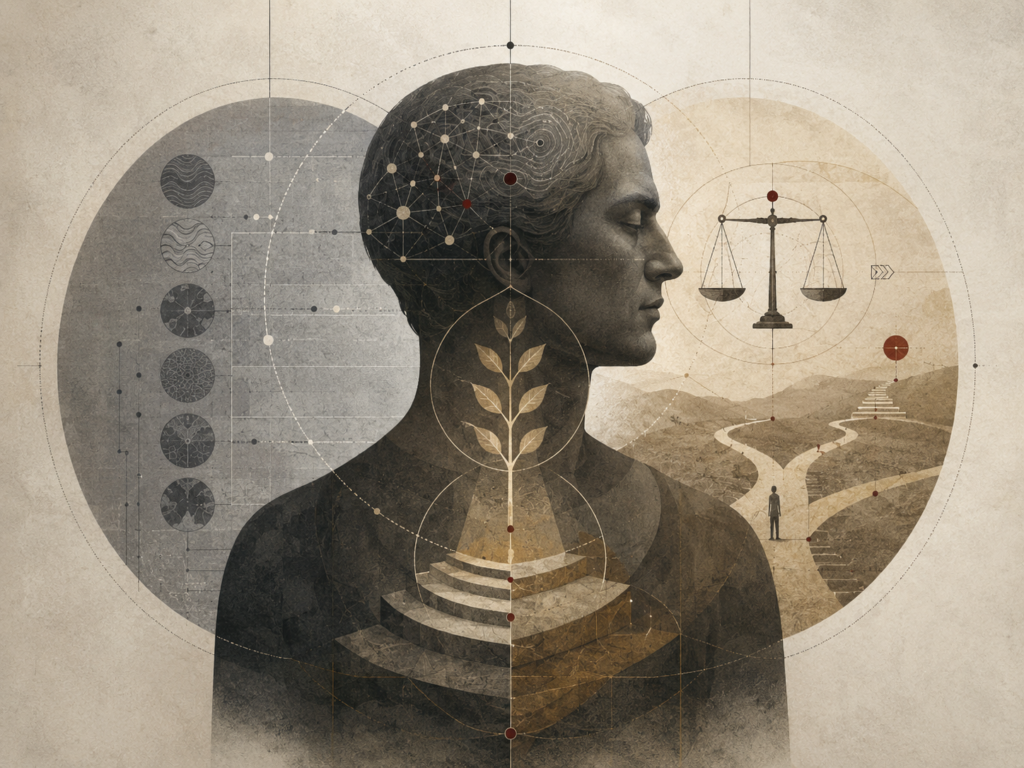
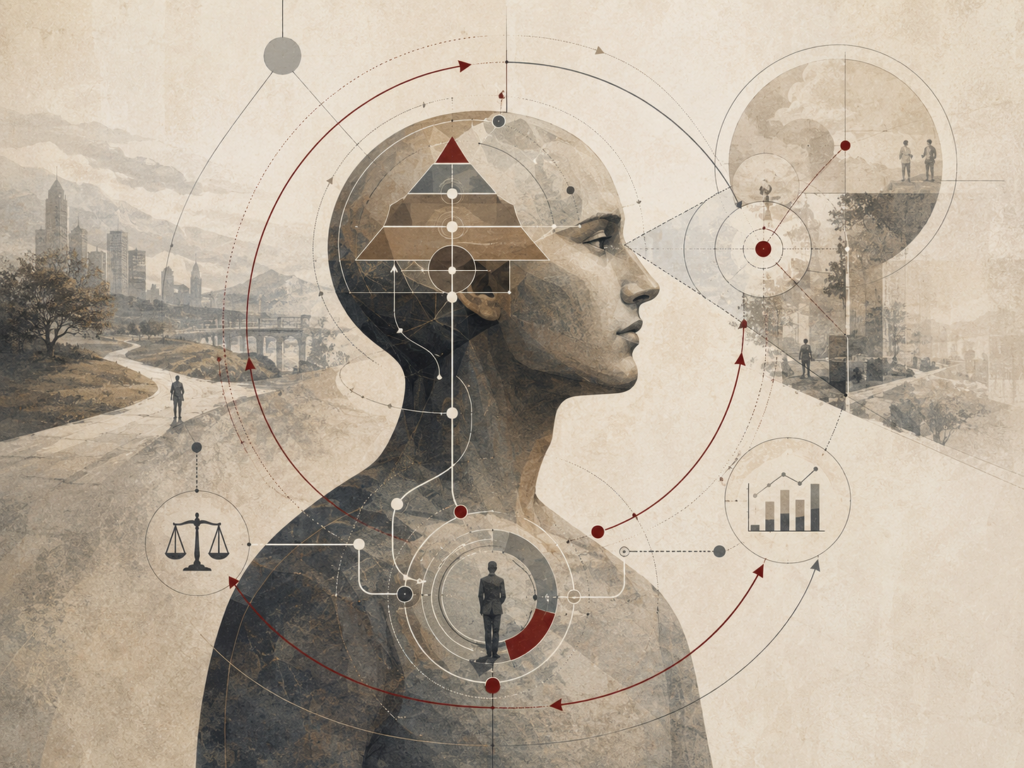
Personality, work, and leadership belong together because institutions are shaped not only by rules and incentives, but by recurring human styles of effort, judgment, cooperation, conflict, and influence. This article examines how personality affects job performance, teamwork, leadership emergence, leadership effectiveness, and derailment risk, with particular attention to conscientiousness, emotional stability, extraversion, and dark traits in positions of authority. It argues that leadership is not merely a role title but a morally consequential pattern of social influence shaped by both personality and institutional context. The result is a more serious account of work and leadership as major arenas in which personality becomes visible, socially consequential, and ethically tested through performance, power, trust, and the organization of collective life.