Systems Modeling

Systems modeling studies how components interact within complex systems shaped by feedback loops, nonlinear relationships, and delayed effects. Many major challenges—including climate change, financial instability, public health crises, and ecosystem degradation—emerge from these interconnected dynamics rather than from isolated variables.

Using tools such as system dynamics, causal loop diagrams, agent-based modeling, and network analysis, systems modeling helps researchers simulate interactions, identify vulnerabilities, and test interventions. By focusing on relationships and emergent patterns, it supports more effective long-term strategy in sustainability, economic policy, ecology, and infrastructure planning.

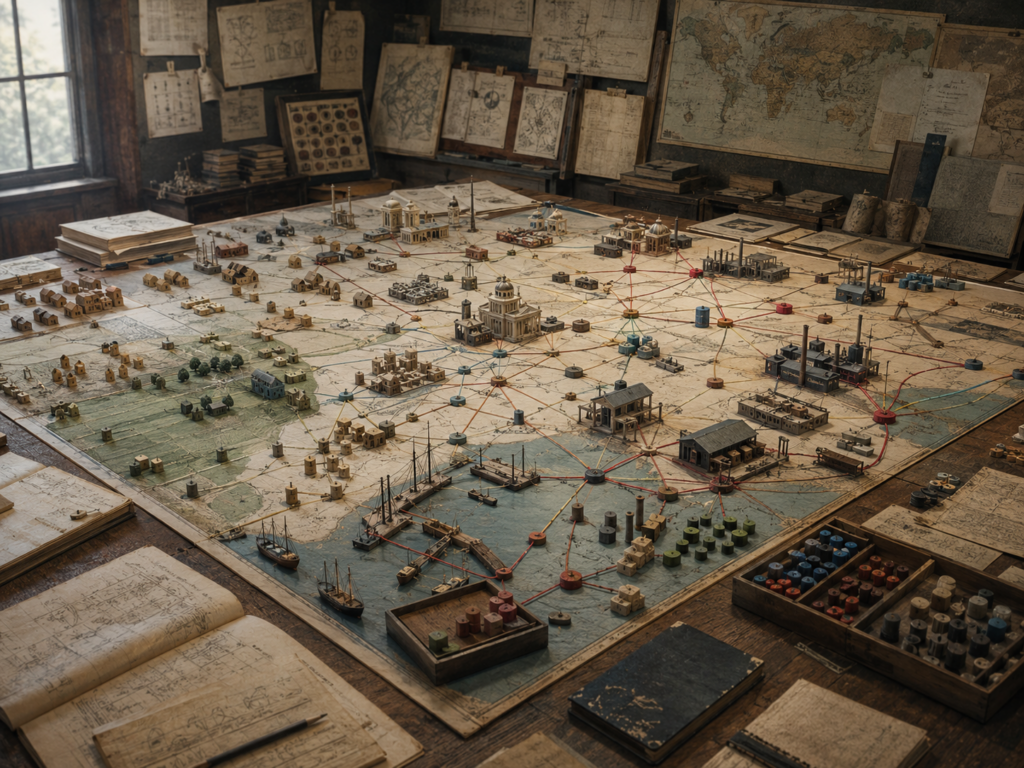
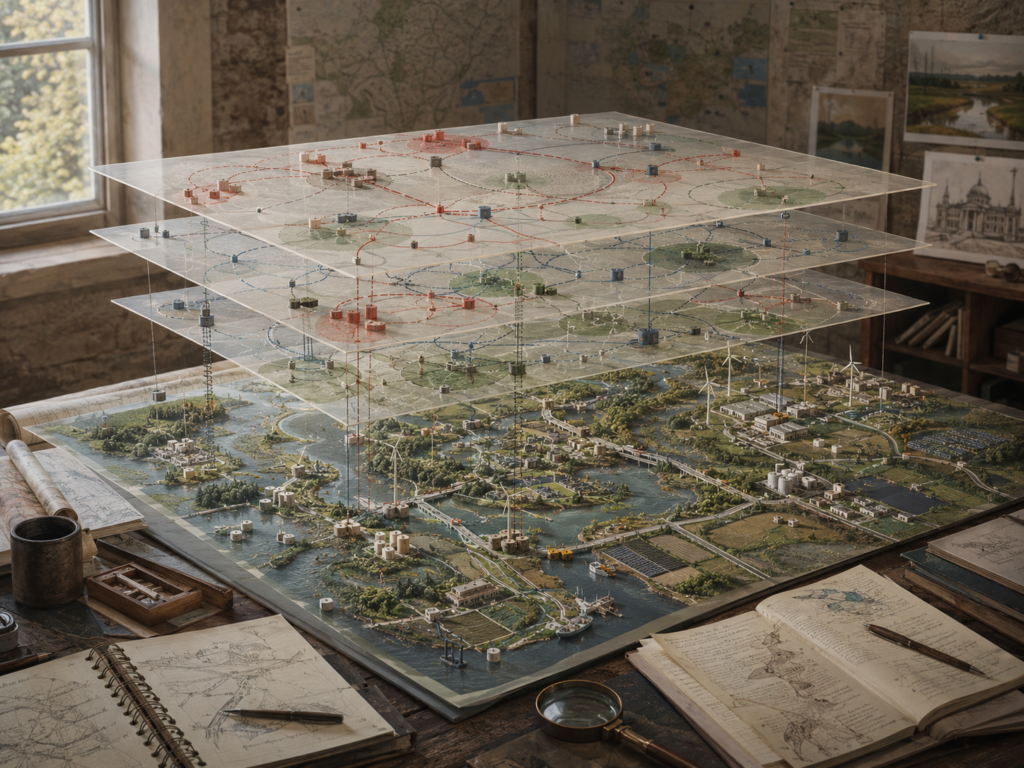
Text-free conceptual illustration showing the evolution of systems modeling from early cybernetics and industrial systems through computer simulation, global systems analysis, network science, and modern data-rich complexity modeling.

The History of Systems Modeling: From Cybernetics to Simulation

Systems modeling emerged during the twentieth century as researchers across multiple disciplines sought more rigorous ways to understand systems whose behavior arises from interaction, feedback, delay, and interdependence rather than from isolated variables alone. This article traces that historical development from cybernetics and general systems theory through system dynamics, computer simulation, and the rise of modern complexity research. It explains how figures such as Norbert Wiener, Ludwig von Bertalanffy, and Jay W. Forrester helped shift scientific reasoning toward feedback, regulation, accumulation, and dynamic structure, and how later advances in computation expanded modeling into agent-based simulation, network analysis, and global systems research. The history matters because it clarifies why systems modeling developed in the first place: to analyze phenomena that static, reductionist, and equilibrium-based approaches could not adequately explain.

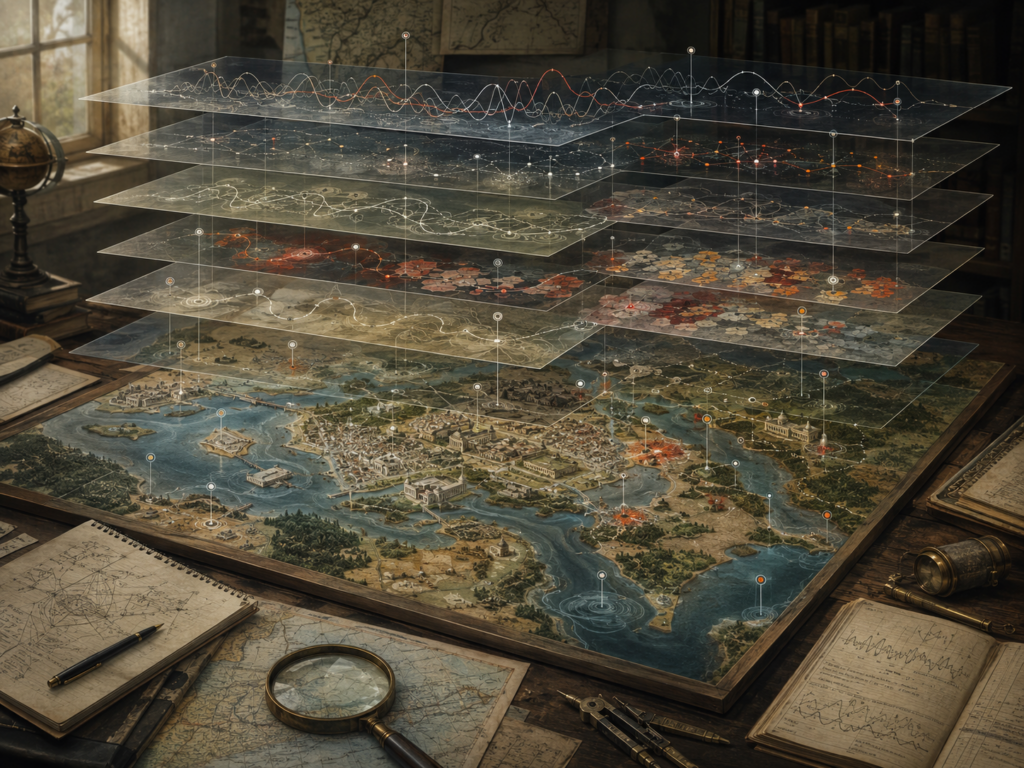
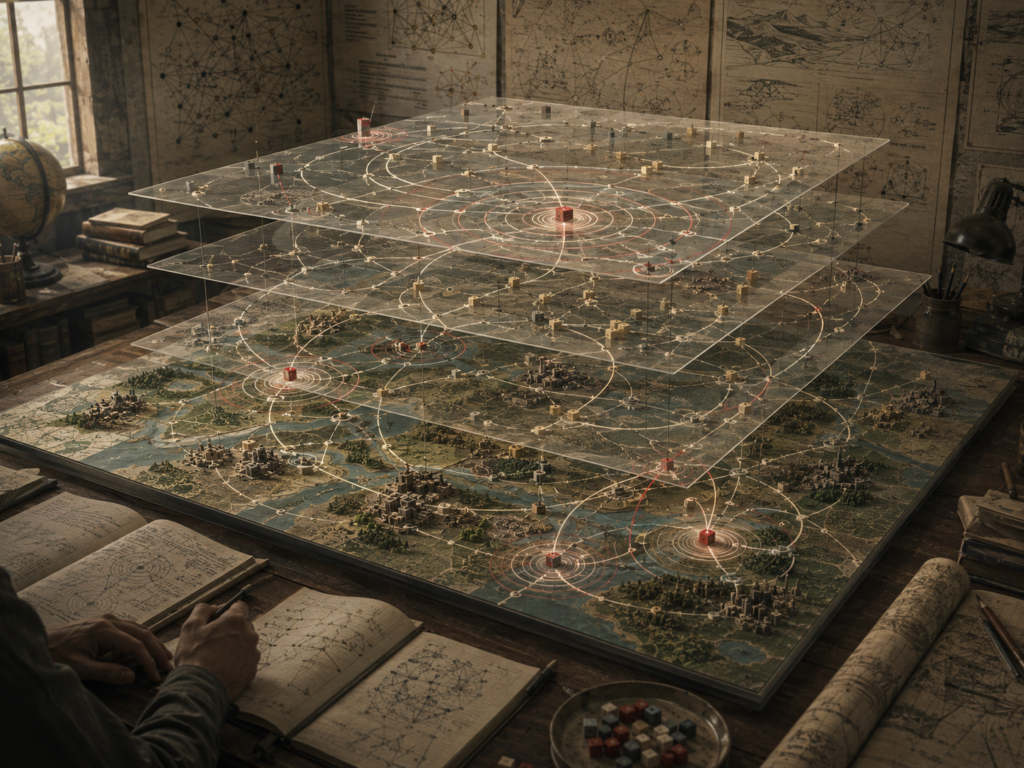
Illustration of complex systems modeling showing interconnected nodes, feedback loops, tipping points, time delays, and nonlinear dynamics used to analyze system behavior.

Why Complex Systems Require Models | Systems Modeling Explained

Complex systems frequently behave in ways that cannot be understood through simple linear cause-and-effect reasoning. Their behavior emerges from interactions among many components linked through feedback loops, time delays, nonlinear relationships, and structural interdependence, making outcomes difficult to infer from intuition alone. This article explains why formal modeling is essential for analyzing such systems, showing how models make interaction, accumulation, delay, and threshold effects explicit and therefore open to systematic study. It examines the limits of intuitive reasoning, the importance of feedback and dynamic structure, the role of scenario exploration, and the value of models as tools for learning rather than perfect prediction. In systems characterized by recursive interaction and delayed consequence, modeling matters because it provides a disciplined way to understand structure, compare trajectories, and reason more effectively about long-term change under uncertainty.

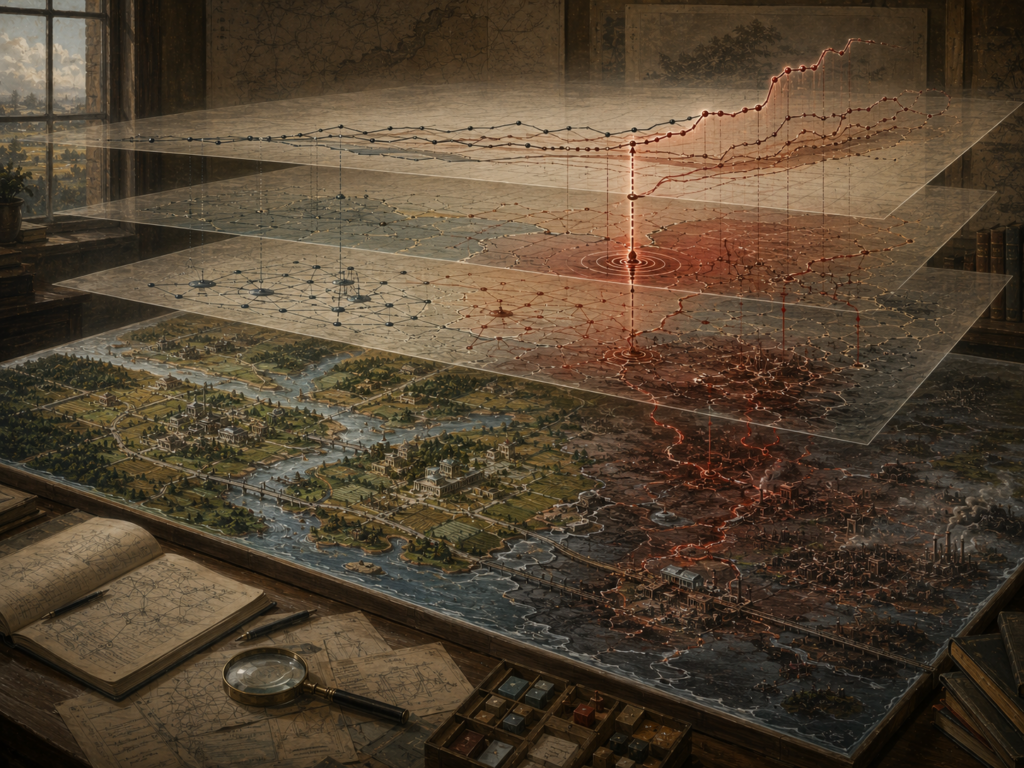
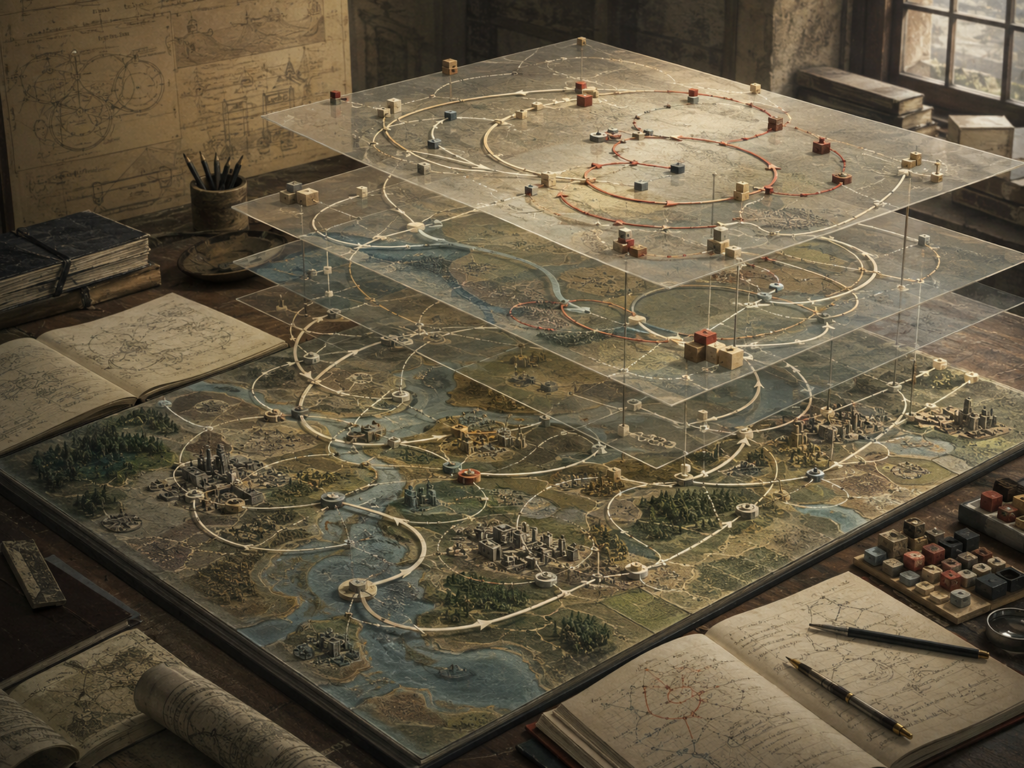
Text-free conceptual illustration contrasting systems thinking and systems modeling through an organic interconnection map on one side and formal analytical diagrams on the other, linked by a central exchange motif.

Systems Thinking vs Systems Modeling: Understanding the Difference

Systems thinking and systems modeling are closely related approaches for understanding complex systems, but they operate at different levels of analysis. Systems thinking provides the conceptual lens: it emphasizes interdependence, feedback, emergence, nonlinearity, and whole-system structure. Systems modeling extends that perspective by translating systemic insight into formal representations such as equations, simulations, and computational models that can be tested, compared, and explored across scenarios. This article explains the distinction between conceptual framing and analytical implementation, showing how systems thinking helps identify structure while systems modeling makes that structure explicit and measurable. Across sustainability, economics, infrastructure, and governance, the two approaches work best together. Systems thinking without modeling can remain too abstract, while modeling without systems thinking can become technically precise but conceptually shallow.

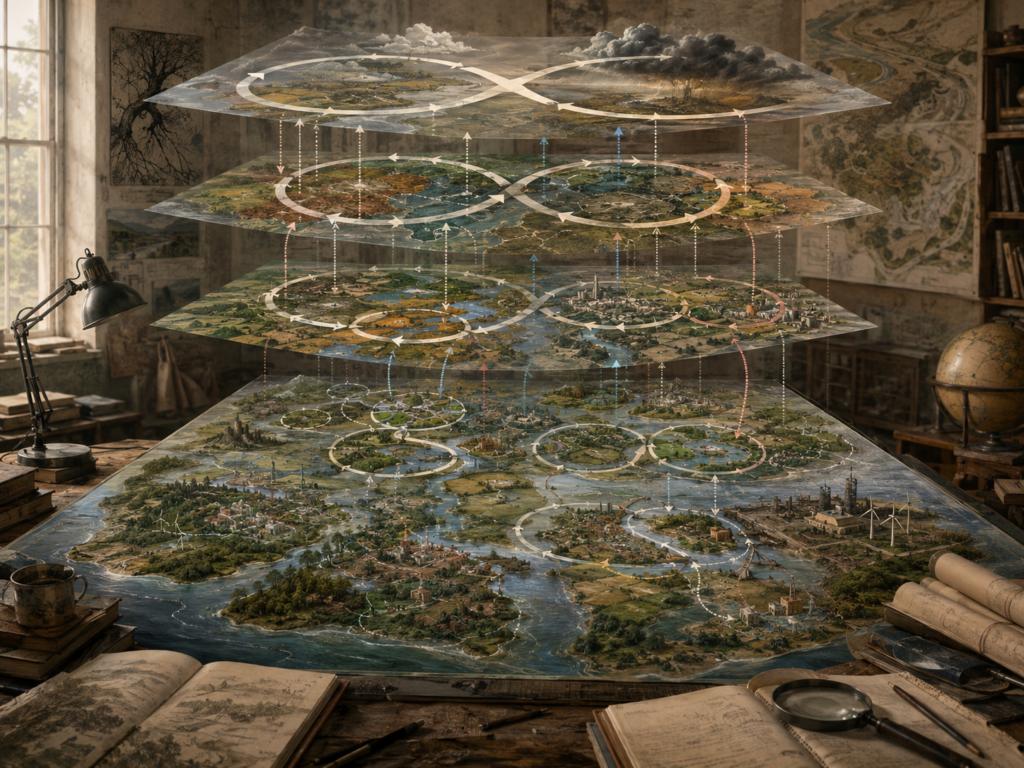
Conceptual illustration of systems modeling showing interconnected economic, environmental, technological, and infrastructure systems linked through feedback loops, simulations, and dynamic system interactions.

What Is Systems Modeling? Understanding Models of Complex Systems

Systems modeling is the formal study of how complex systems can be represented, analyzed, and simulated using mathematical, computational, or structured conceptual models. Rather than focusing on isolated variables, it examines how interactions among components generate dynamic patterns through feedback loops, nonlinear responses, delays, and structural interdependence. This article introduces the field as a whole, explains why formal models are necessary for understanding systems whose behavior cannot be grasped through intuition alone, and outlines the major modeling traditions that now shape research and policy analysis. It also emphasizes that systems modeling is not primarily about eliminating uncertainty, but about making assumptions explicit, exploring alternative futures, and improving judgment under complexity. Across climate, infrastructure, economics, public health, and sustainability, systems modeling matters because it turns dynamic interdependence into something that can be studied, compared, and used for more responsible decision-making.

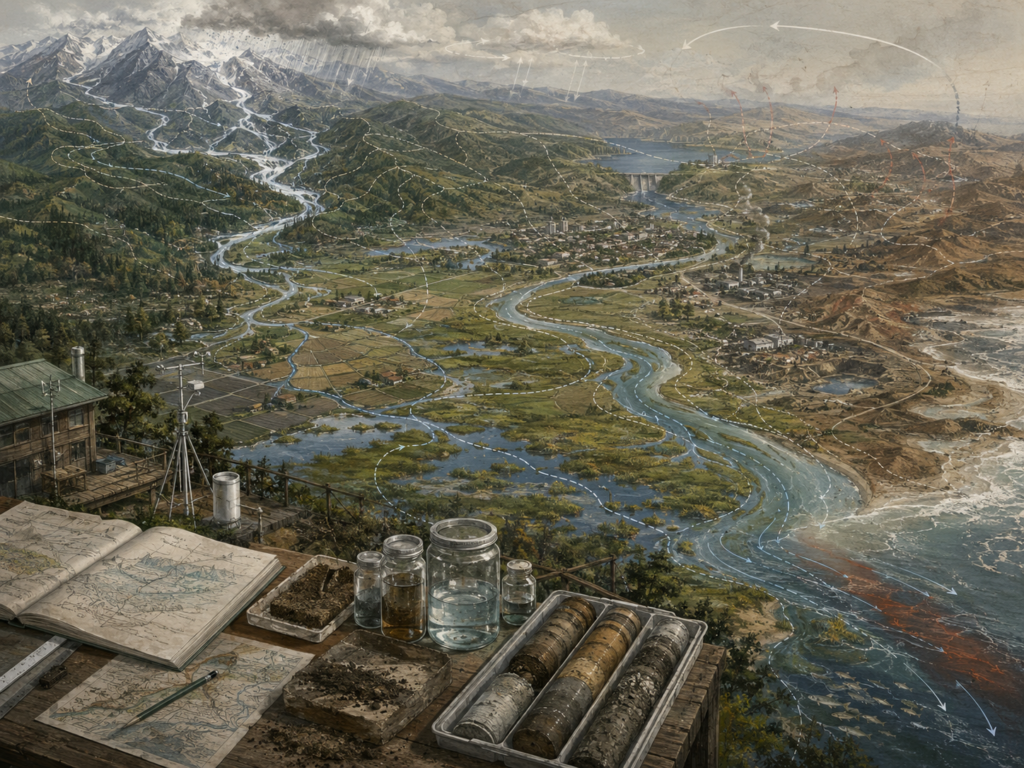
Editorial scientific illustration of systems modeling as a formal-systems architecture, showing system boundaries, feedback loops, stock-and-flow reservoirs, scenario pathways, network dependencies, calibration and validation structures, infrastructure systems, ecological systems, climate feedback, public-policy corridors, governance institutions, shock propagation, cascading failure, resilience buffers, and responsible model interpretation.

Systems Modeling: Formal Methods for Understanding Complex Systems

Systems modeling examines how formal models are used to understand, simulate, and analyze complex systems composed of interacting components. Rather than focusing on isolated variables, it studies how feedback loops, nonlinear relationships, time delays, and structural dependencies generate behavior across time. This pillar introduces the field as a whole, explaining why systems modeling matters, what major methods it includes, and how it supports analysis in sustainability, governance, infrastructure, economics, and technology. It emphasizes that models do not eliminate uncertainty, but help make it more explicit, structured, and usable for decision-making. By clarifying how system structure produces outcomes, systems modeling allows researchers and policymakers to compare interventions, explore plausible futures, identify leverage points, and reason more carefully about long-term change in dynamic, interconnected worlds.

Scroll to Top