Second-Order Effects and Unintended Consequences
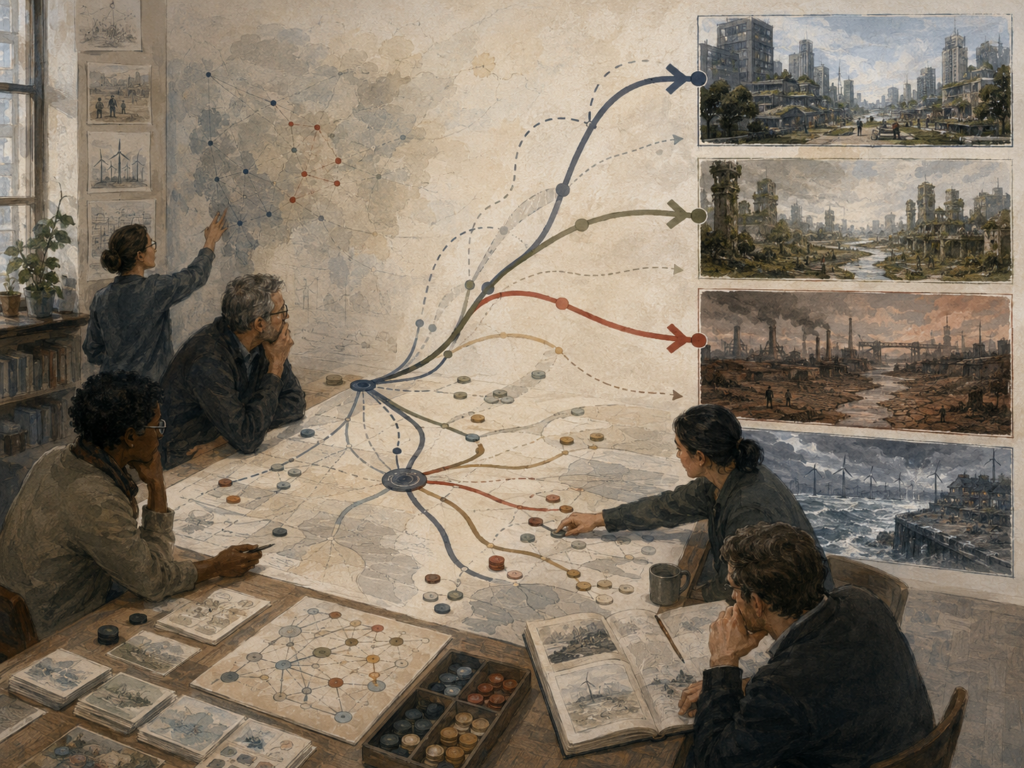
Second-Order Effects and Unintended Consequences examines how strategic interventions continue to reshape a system long after their immediate objective appears to be met. The article argues that a decision cannot be judged solely by its first-order result, because every intervention also changes incentives, feedback loops, behavior, institutional context, and future conditions in ways that may generate delayed fragility, policy resistance, or beneficial cascades. It develops this through the difference between first- and second-order effects, Merton’s classic problem of unintended consequences, the dynamics of complex systems, feedback resistance, short-term optimization, behavioral adaptation, technological cascades, and the relationship between second-order reasoning and leverage-point strategy. The article emphasizes that strategic competence requires a wider causal imagination: not only asking whether an intervention worked, but what it set in motion, what it changed around itself, and what new conditions it created for the future.