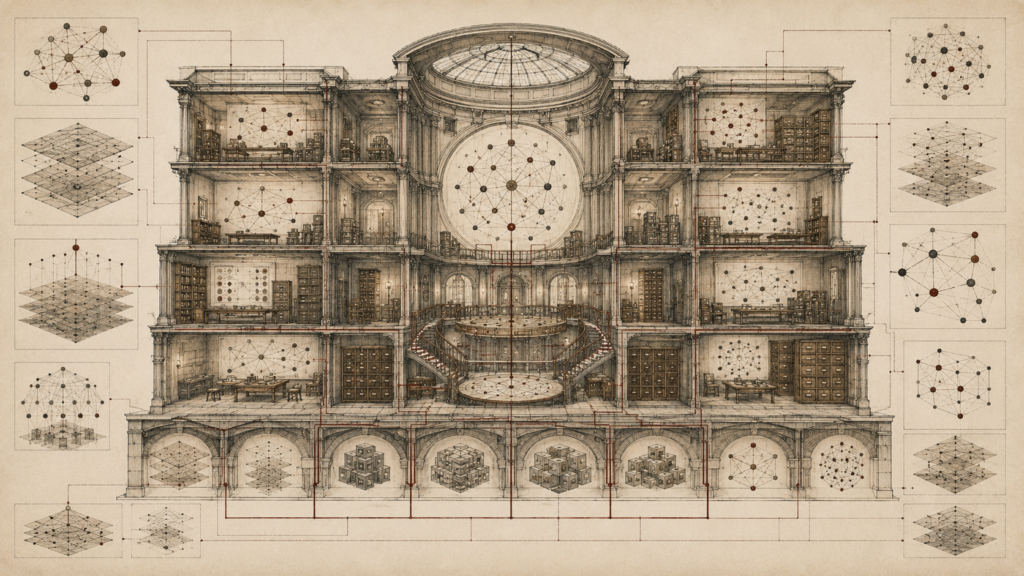
Knowledge Mapping and Conceptual Models
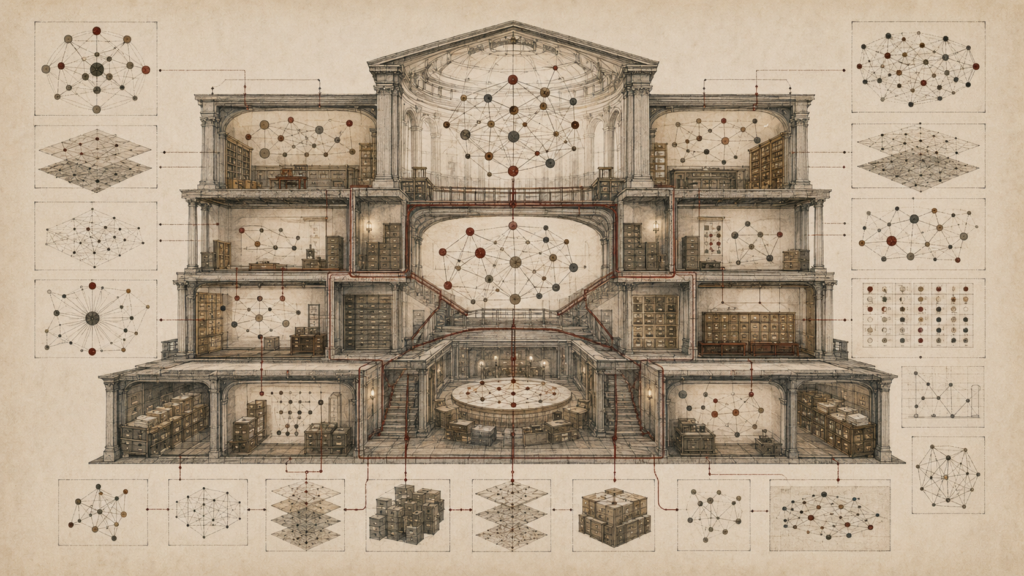
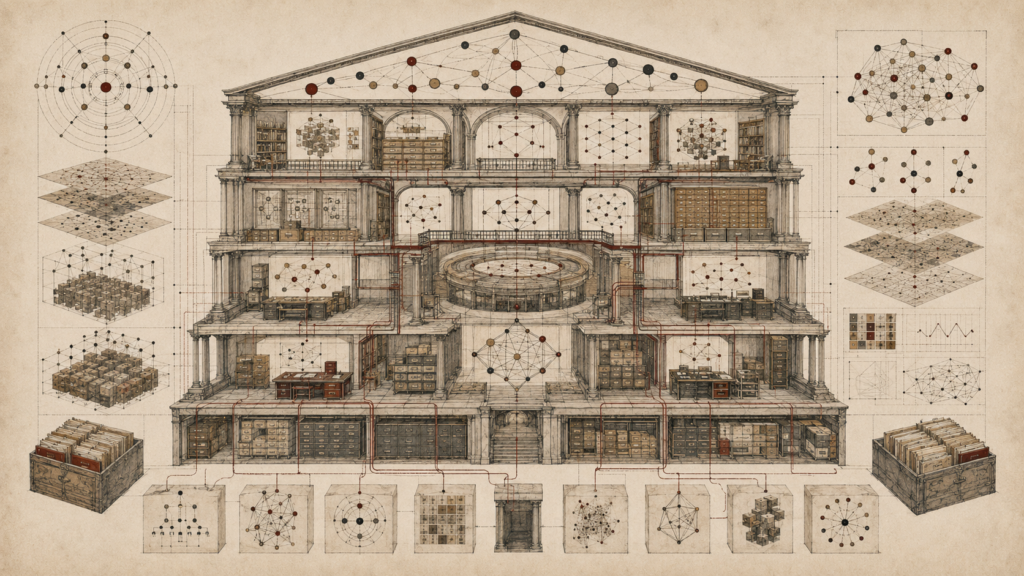
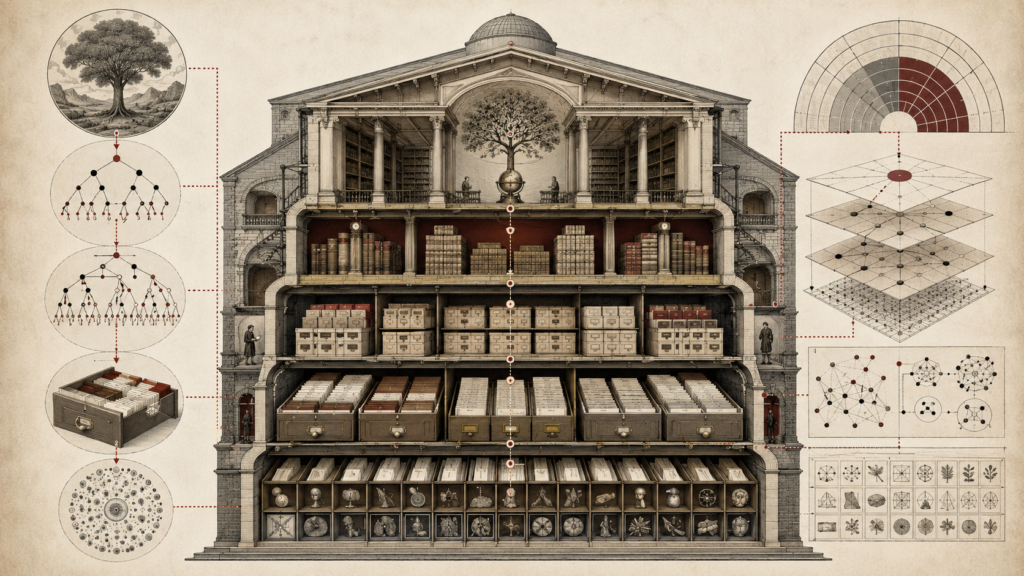
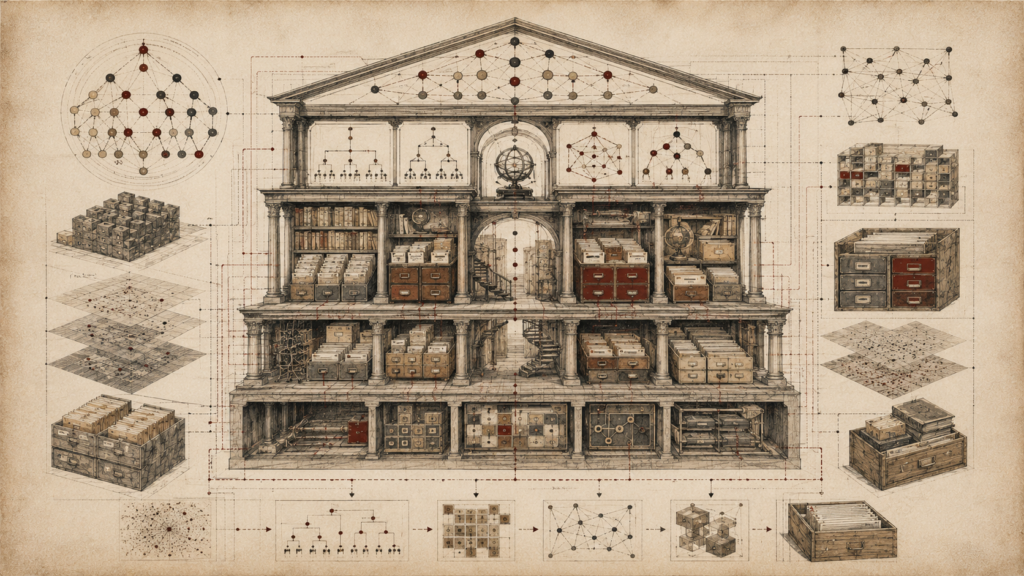
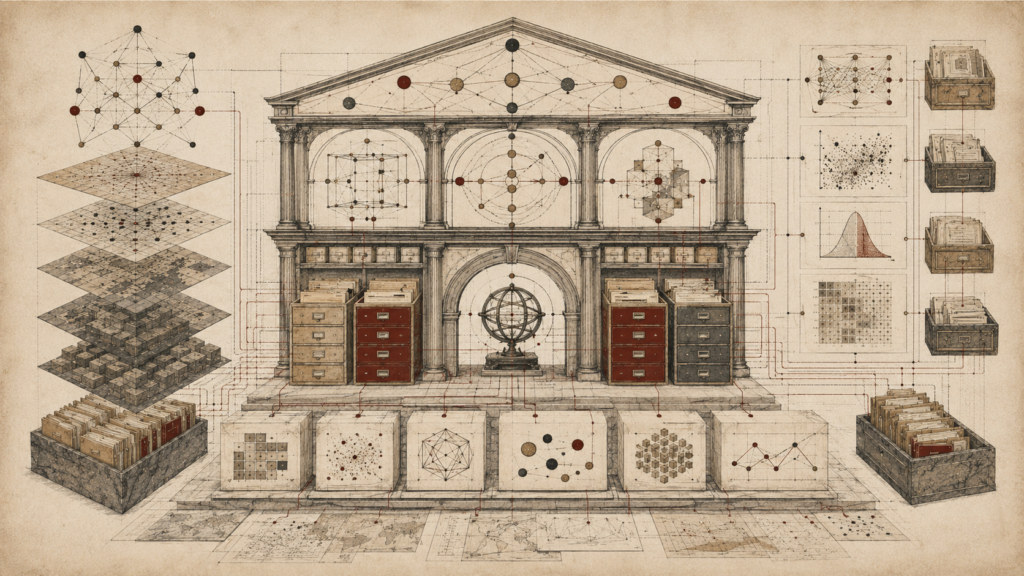
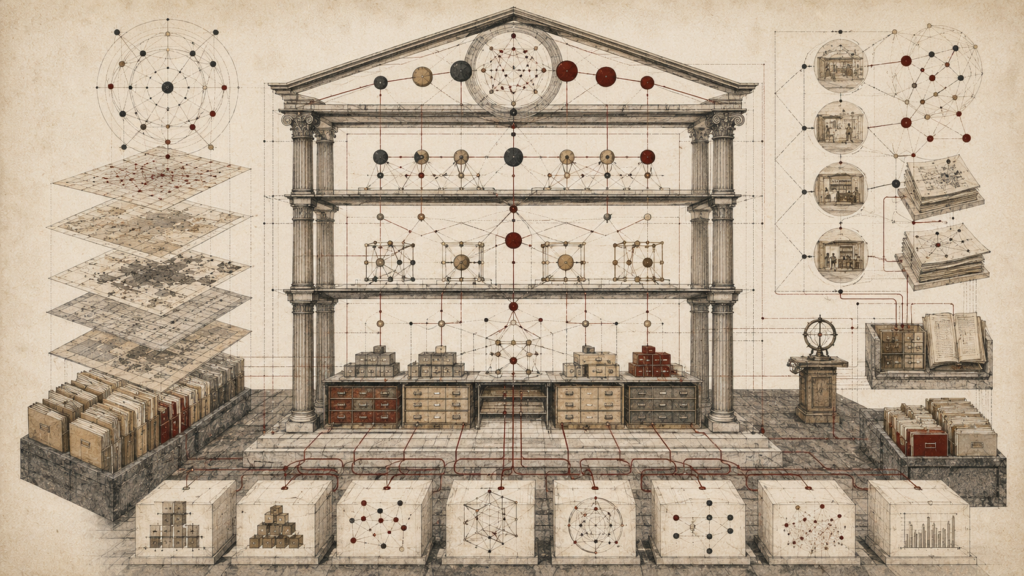
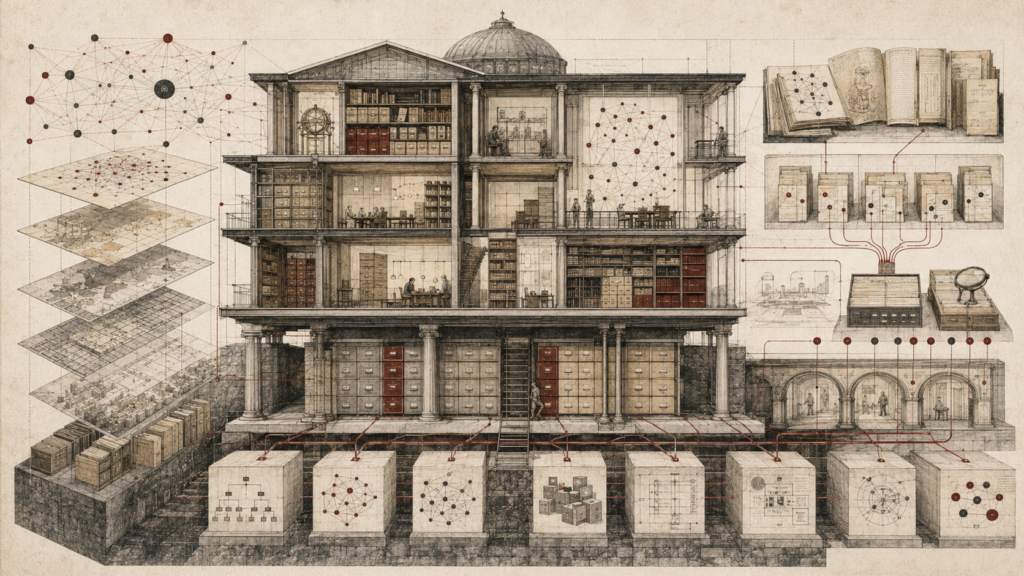
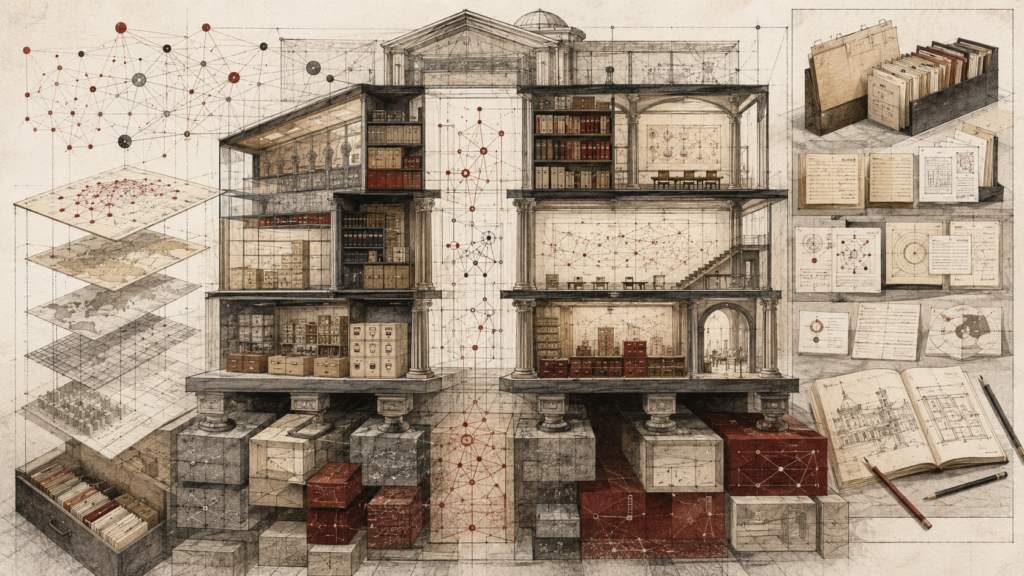
Knowledge mapping and conceptual models make the structure of understanding visible by showing how concepts relate, where evidence fits, which ideas are central, and where gaps remain. This article explains knowledge maps as more than diagrams: they are structured representations of relationships, pathways, sources, methods, repositories, and conceptual boundaries. It examines concept maps, topic maps, evidence maps, systems maps, repository maps, semantic maps, learning maps, conceptual models, AI-assisted retrieval, governance, versioning, and computational diagnostics. Within knowledge architecture, knowledge mapping connects frameworks, taxonomies, ontologies, metadata systems, knowledge graphs, article maps, and reproducible repositories. The article frames mapping and modeling as practical tools for turning scattered information into navigable intellectual infrastructure. It emphasizes that strong maps should clarify meaning, preserve evidence, support revision, and make complex research systems more auditable, teachable, and coherent across expanding interdisciplinary knowledge platforms.