Heuristics and Biases in Economic Decision-Making
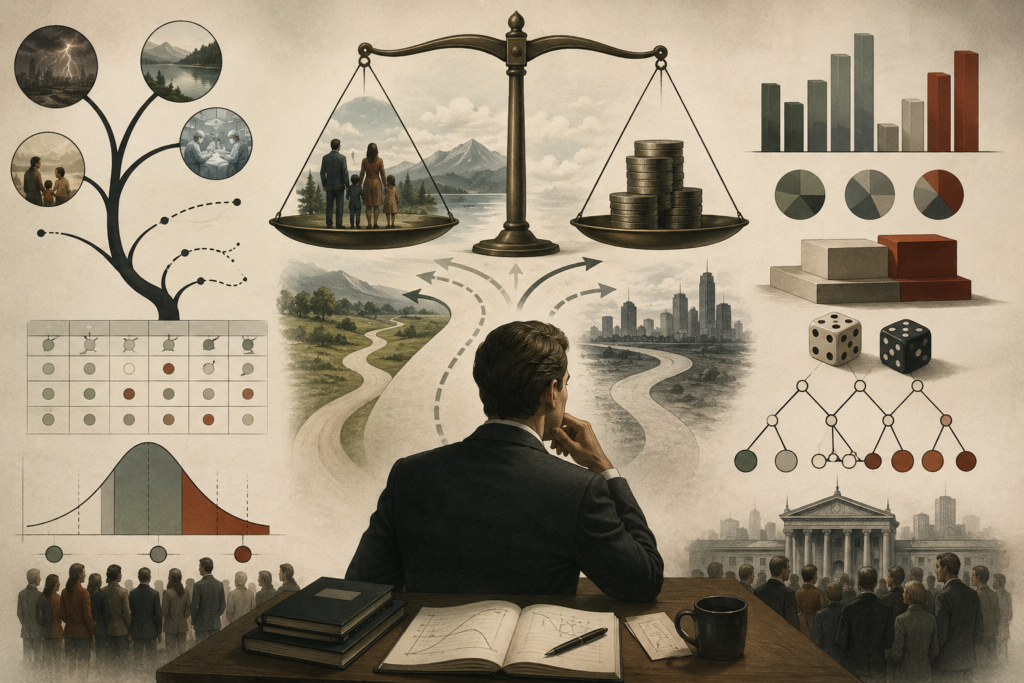
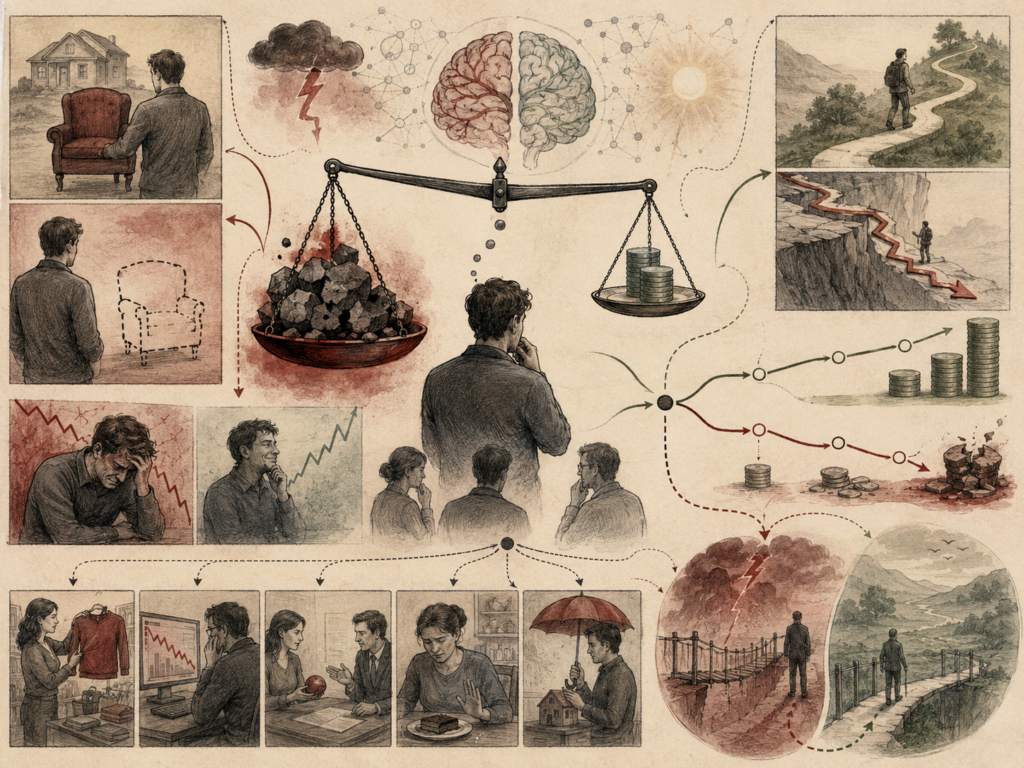
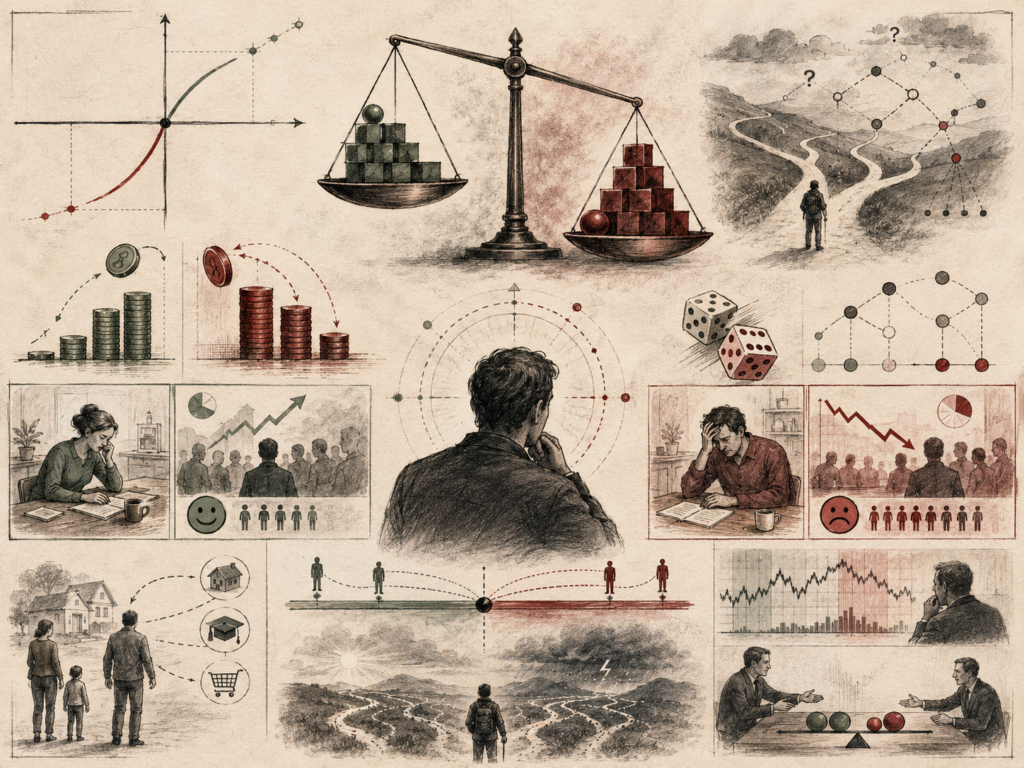
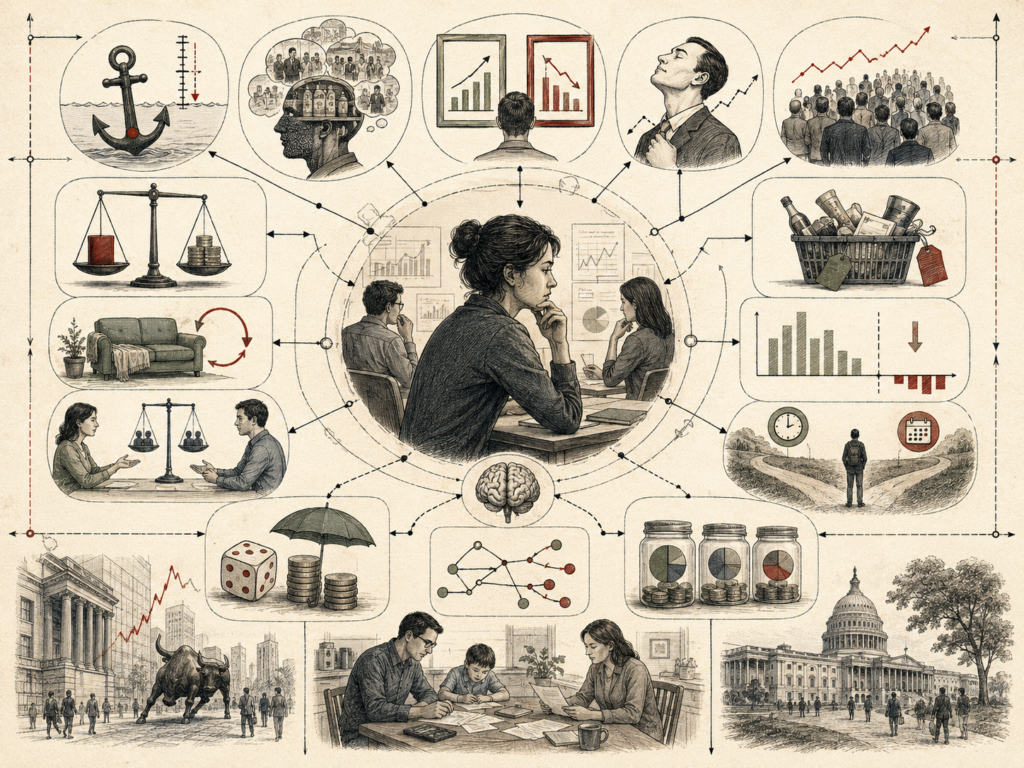
Heuristics and biases describe the mental shortcuts people use to make judgments under uncertainty and the systematic errors those shortcuts can produce in economic decision-making. This article explains how behavioral economics treats heuristics not as random irrationality, but as structured responses to limited cognition that can become biased under the wrong conditions. It explores the foundations of the heuristics-and-biases research program, the transition from useful shortcut to systematic distortion, the major heuristics identified by Kahneman and Tversky, their influence across markets, policy, and sustainability decisions, and a formal analytical framework for modeling judgment error. The broader argument is that real economic behavior emerges not from perfect calculation, but from the interaction of uncertainty, cognition, context, and institutional design.