Literature & Cultural Memory
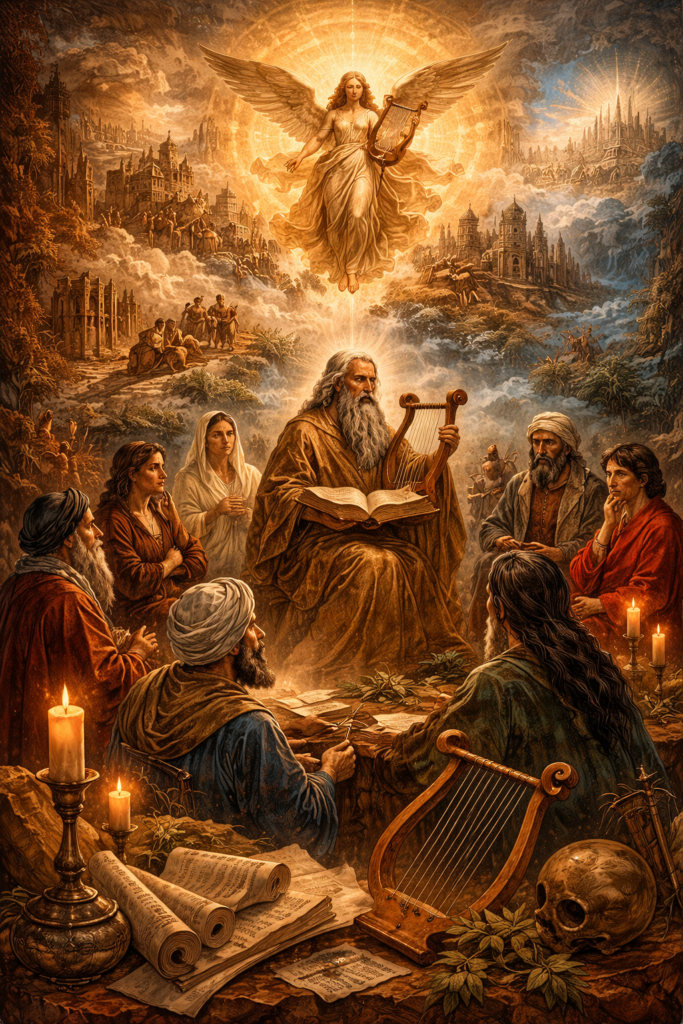
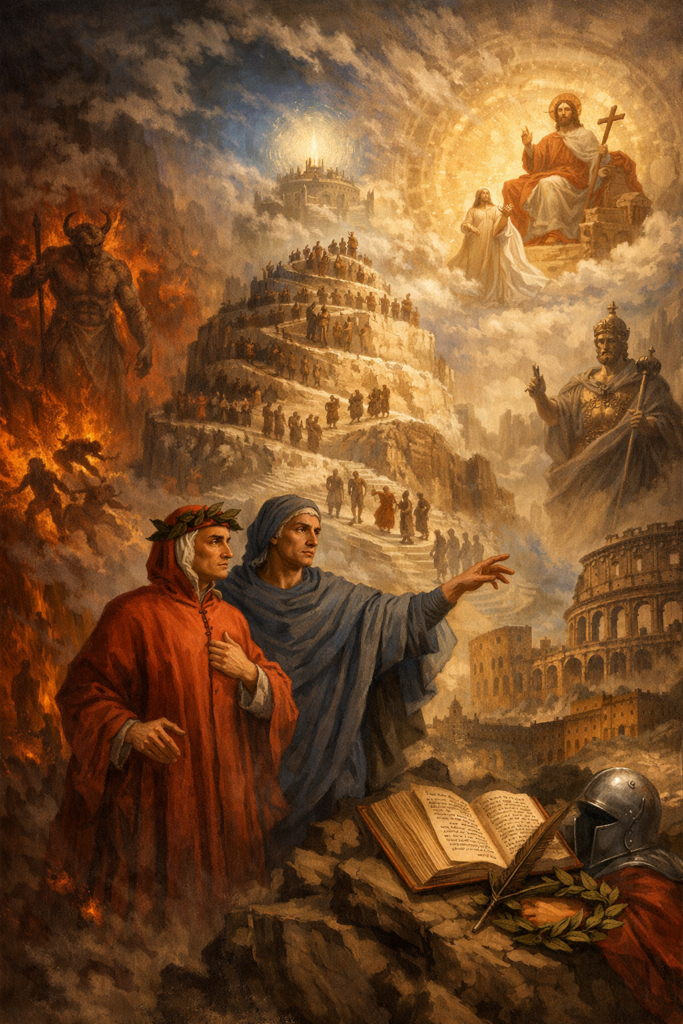
Literature & Cultural Memory examines how literary traditions preserve, transmit, reinterpret, and contest the memories through which cultures understand themselves across time. In the history of civilization, literature has never been only a matter of aesthetic expression. Epics, poems, dramas, chronicles, devotional writings, novels, memoirs, oral narratives, and reflective prose have served as vessels of memory through which communities have carried forward their stories of origin, loss, justice, belonging, exile, love, catastrophe, and renewal. Literature therefore belongs not only to the history of art, but also to the history of cultural continuity, moral imagination, and collective self-understanding.
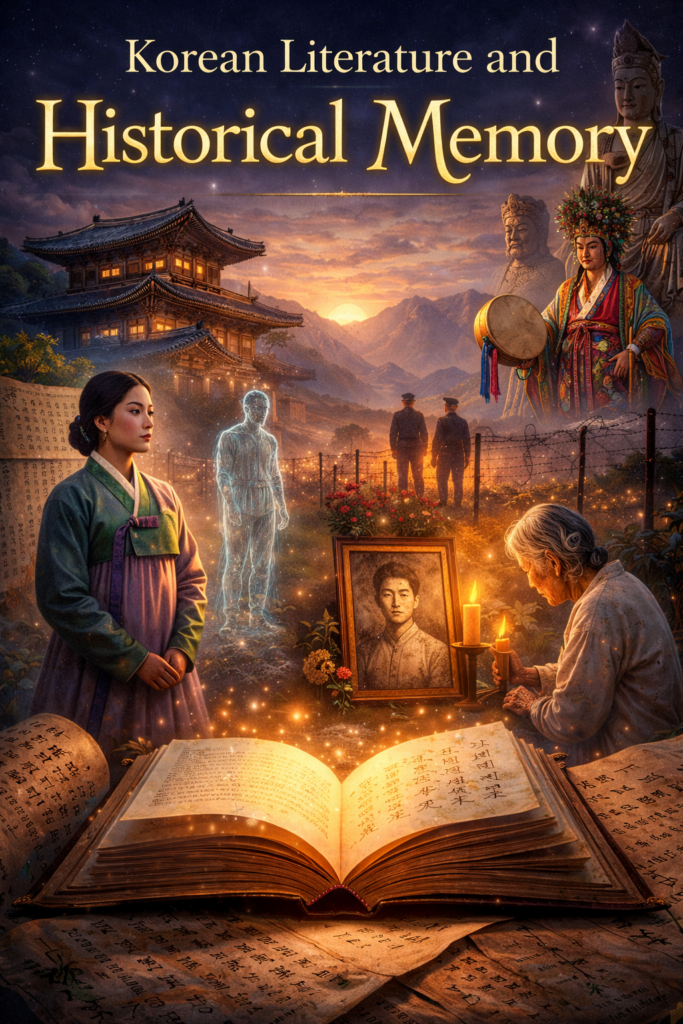
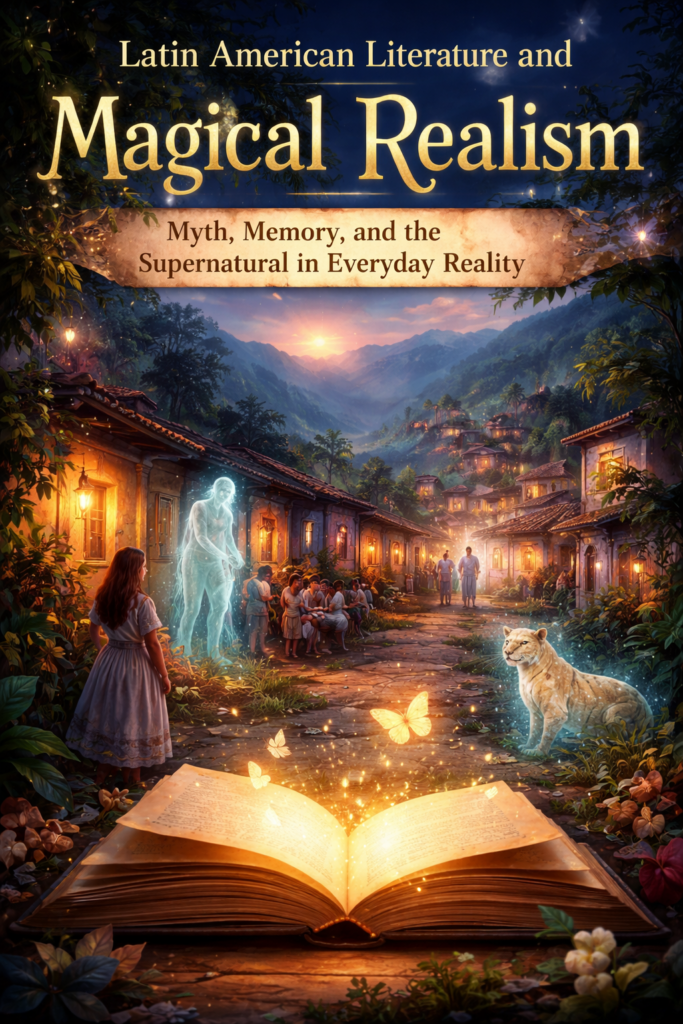
This category explores the ways literary forms hold together worlds of memory that might otherwise be fractured by war, conquest, migration, colonization, religious change, political rupture, or linguistic decline. It considers how texts preserve the symbolic order of a civilization, how they encode ethical and emotional inheritance, and how they allow later generations to revisit unresolved questions of power, identity, sacred order, grief, historical trauma, and communal meaning. Literature may stabilize memory, but it may also resist official narratives, recover silenced voices, and expose the tensions between inherited tradition and lived experience.
Literature & Cultural Memory is therefore concerned with literary traditions as living archives of civilization. It treats literature as a medium through which societies remember themselves, reimagine their pasts, and struggle over the meanings that bind generations together. By bringing literary expression into relation with history, religion, language, law, ethics, myth, and social life, this category helps clarify how collective memory is formed, preserved, contested, and transformed through the written and spoken imagination.