The Future of Intelligent Infrastructure: AI, Resilience and Public Value
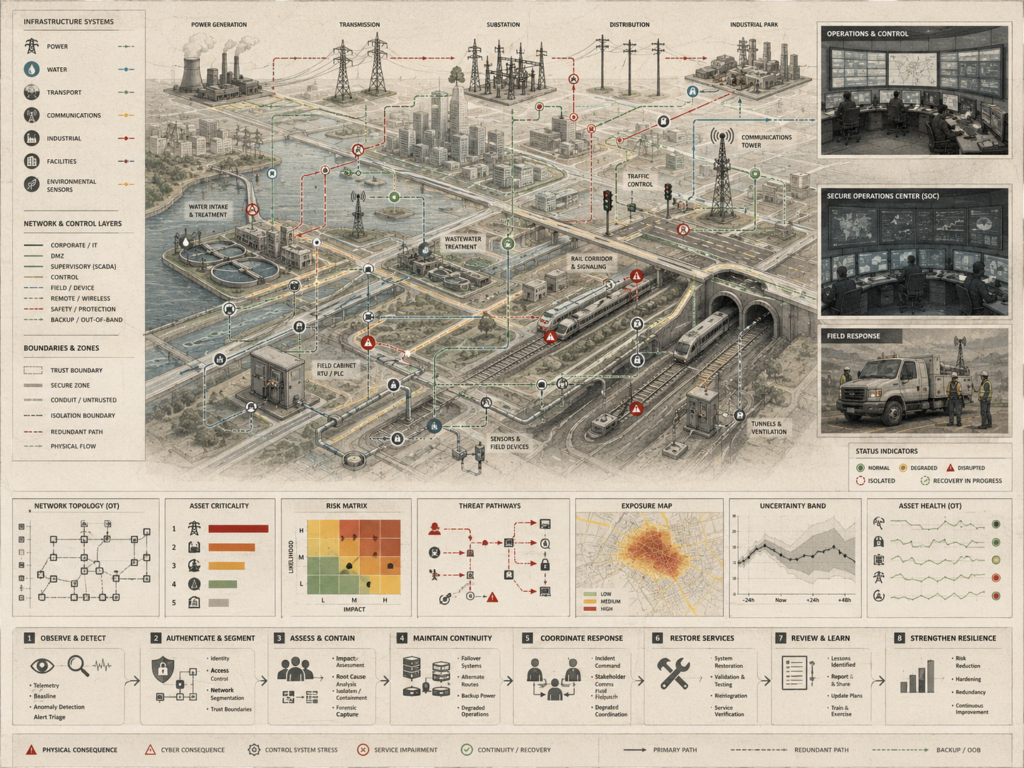
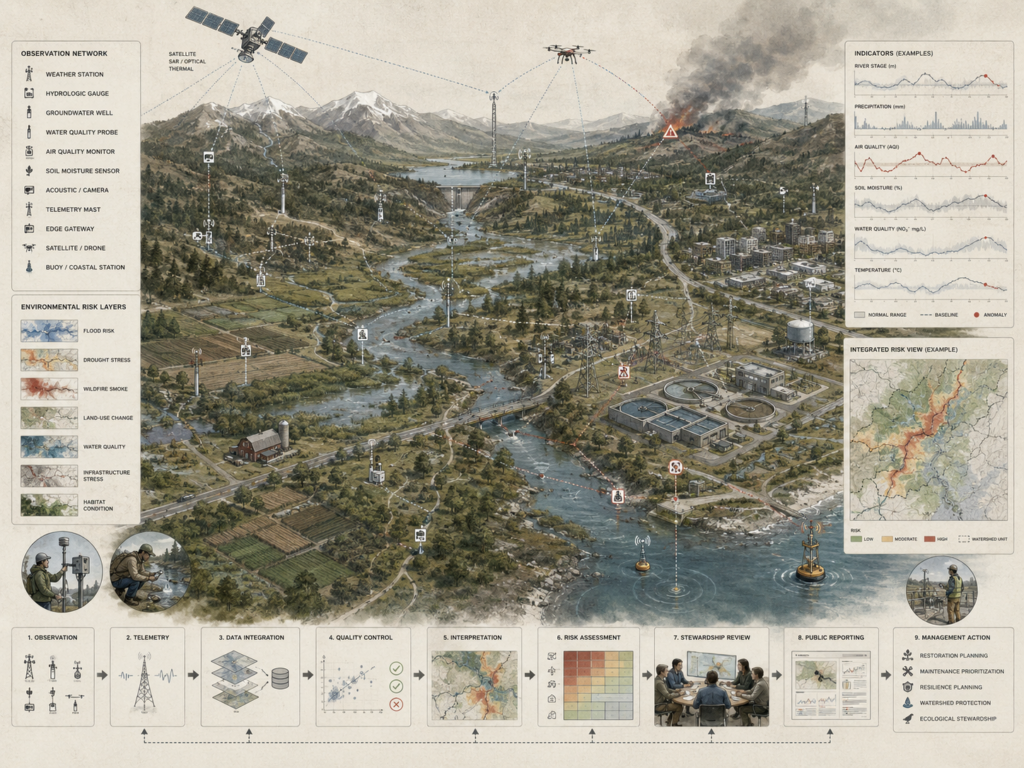
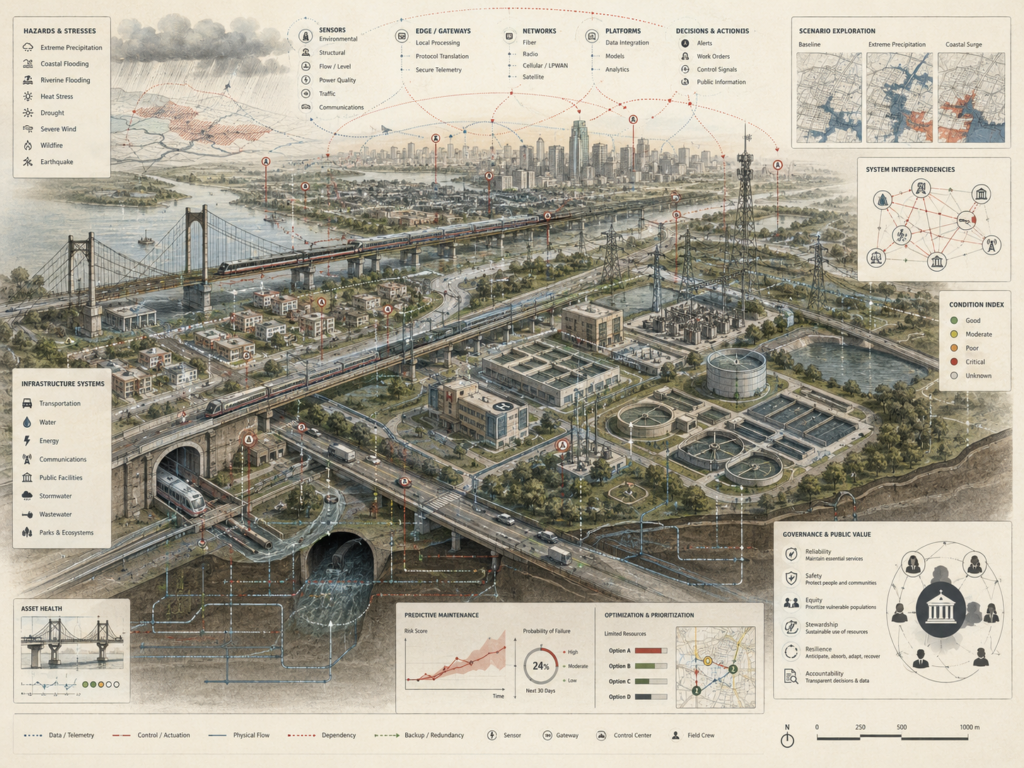
Intelligent infrastructure turns connected public systems into evidence-based, accountable platforms for resilience and public value. Transportation networks, bridges, rail, tunnels, water systems, wastewater facilities, stormwater infrastructure, power grids, communications networks, public buildings, parks, and ecological buffers increasingly depend on sensors, telemetry, AI analytics, scenario testing, predictive maintenance, and coordinated operations. This article examines how intelligent infrastructure can improve reliability, safety, equity, stewardship, and adaptation when digital systems are designed around public purpose rather than automation alone. Infrastructure intelligence is not simply a smart-city upgrade; it is a governance challenge involving interdependencies, risk, maintenance priorities, data quality, institutional capacity, and transparent decision-making. By linking AI, resilience planning, asset health, environmental stress, and public accountability, intelligent infrastructure can help communities anticipate disruption, protect essential services, and invest in long-term public value.