Behavioral Economics and Sustainable Consumption
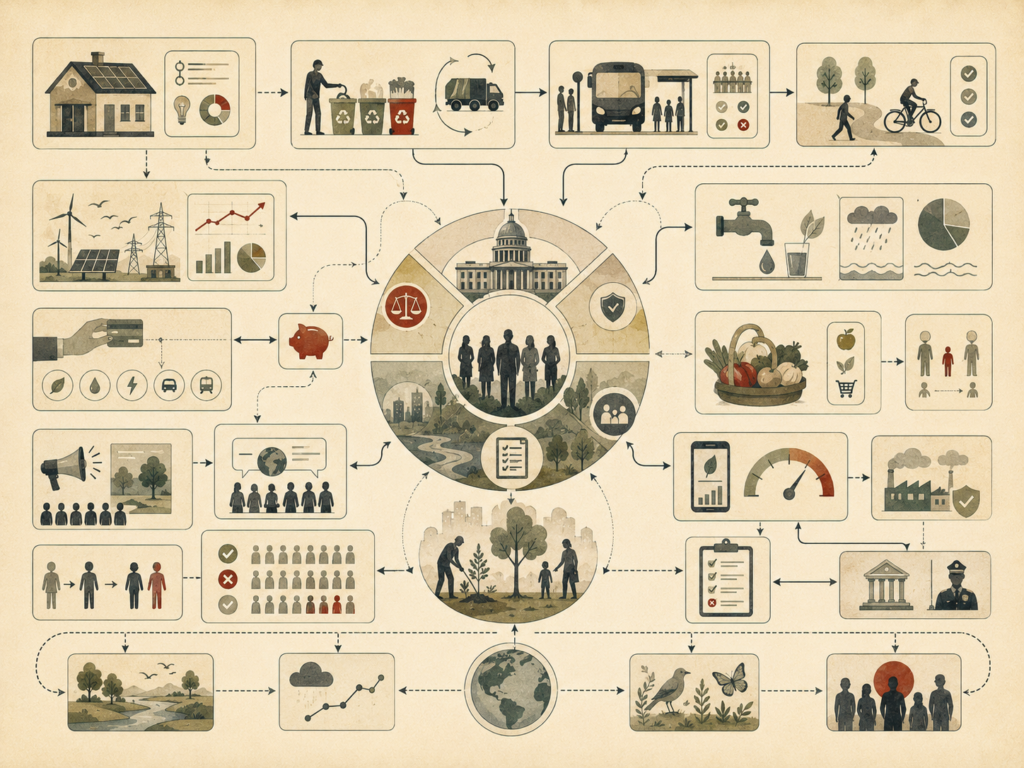
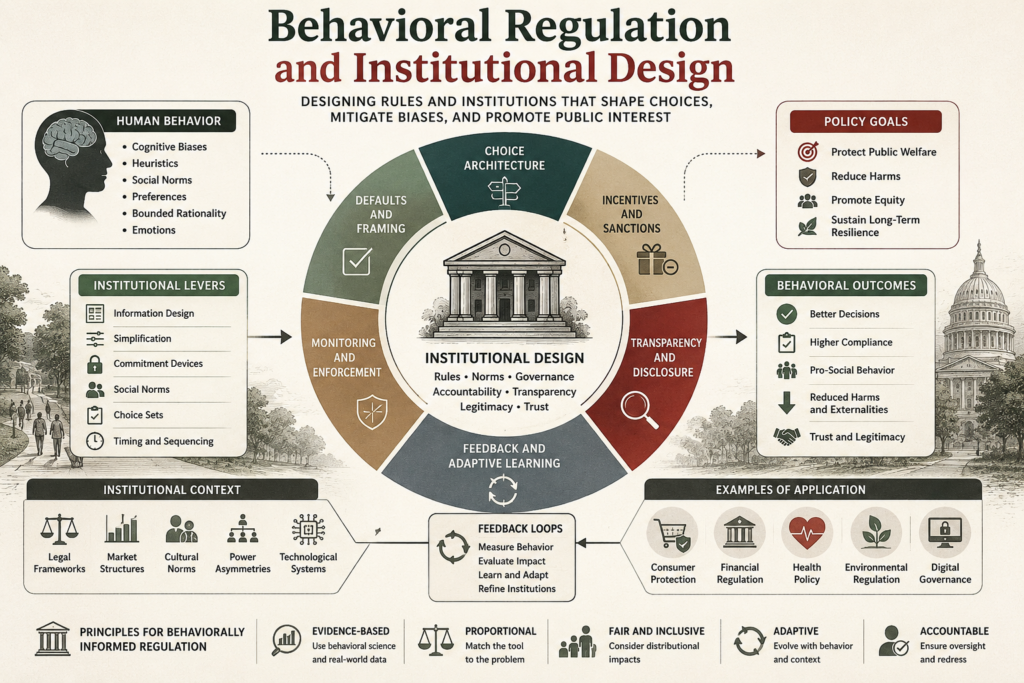
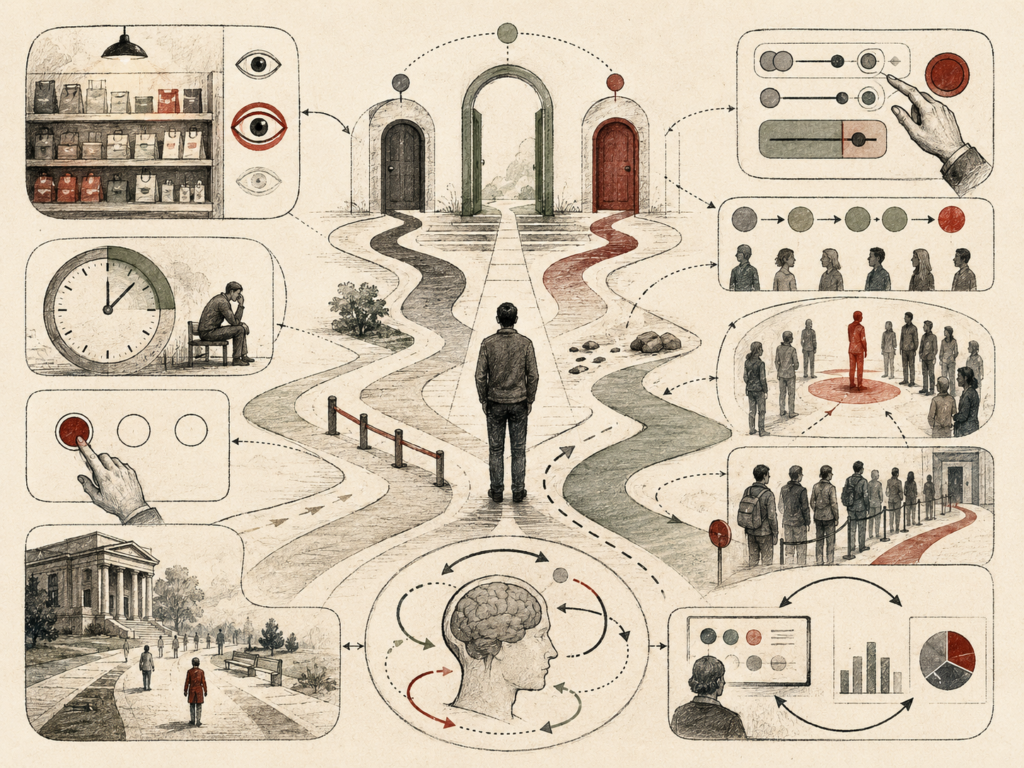
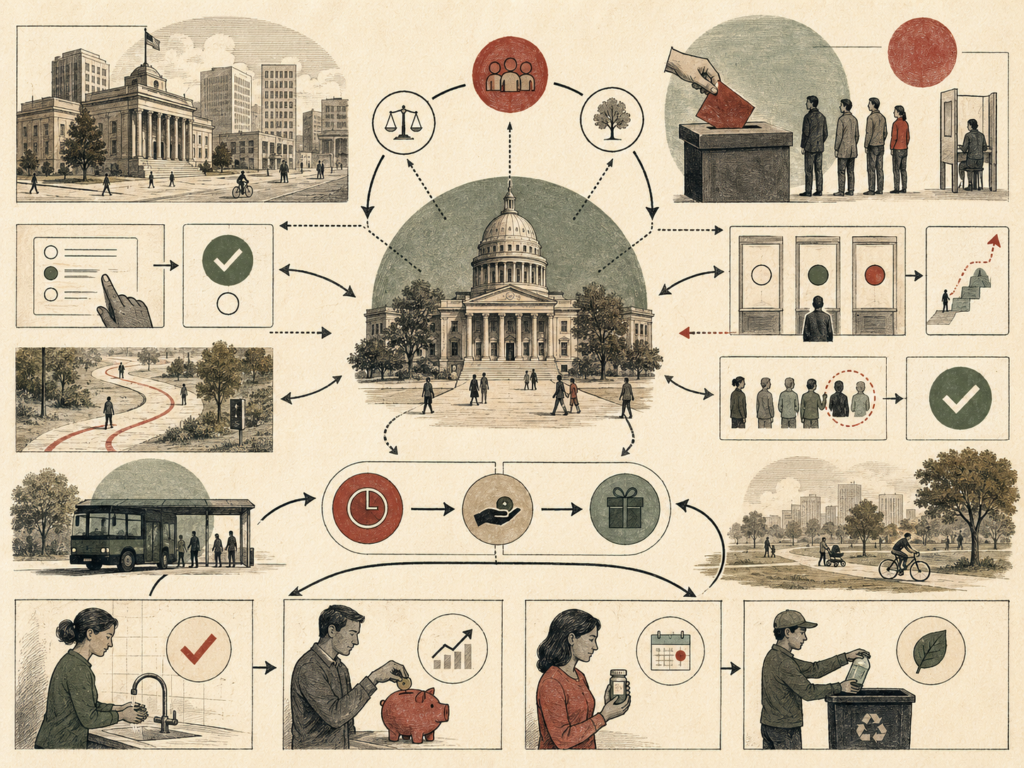
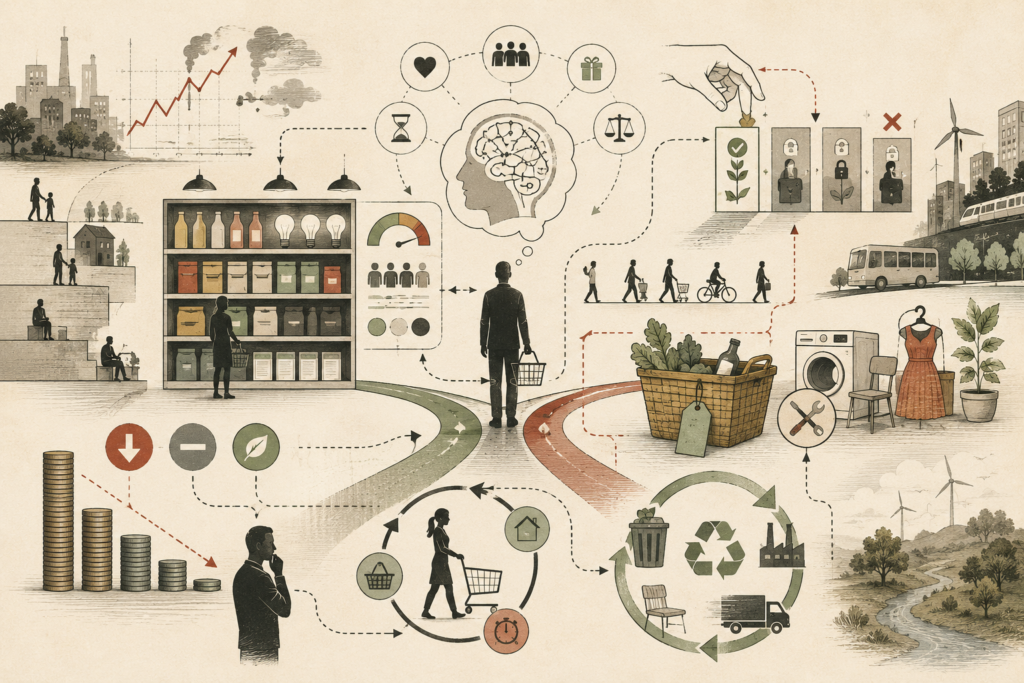
Behavioral economics offers a stronger account of sustainable consumption than models that assume households respond cleanly to prices and information. Environmentally consequential decisions are made under conditions of limited attention, habit, present bias, uncertainty, status competition, and institutional constraint. This article examines the attitude-behavior gap, the role of norms and conditional cooperation, the power of defaults and choice architecture, and the limits of purely informational approaches. It also develops a formal analytical framework for sustainable choice and includes substantial R and Python sections for simulation and welfare analysis. The broader argument is that sustainable consumption is not simply a matter of individual virtue, but of governance, incentive design, and the architecture of feasible everyday action.