Environmental Monitoring Systems: How Sensor Networks and Data Systems Measure Environmental Change
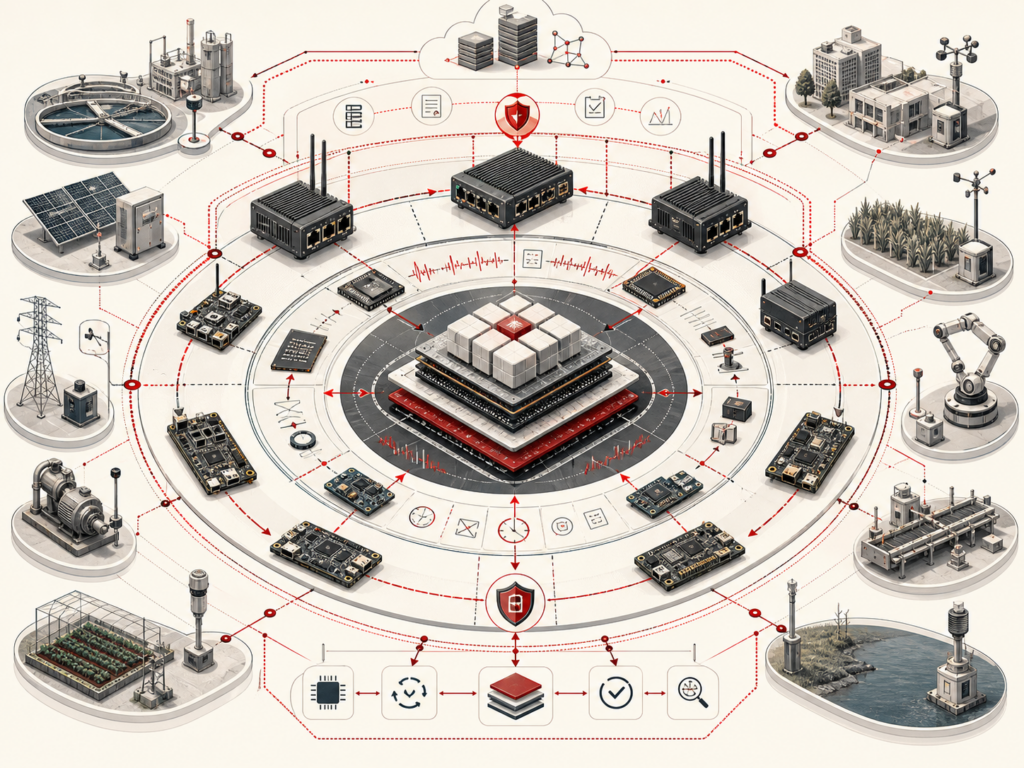
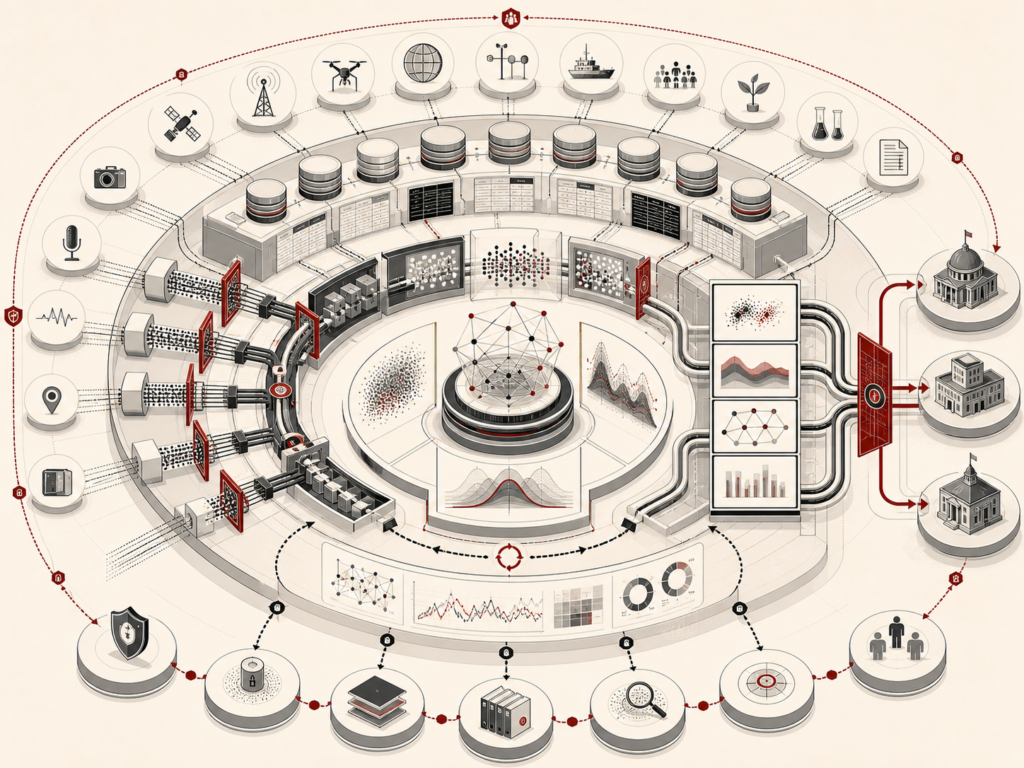
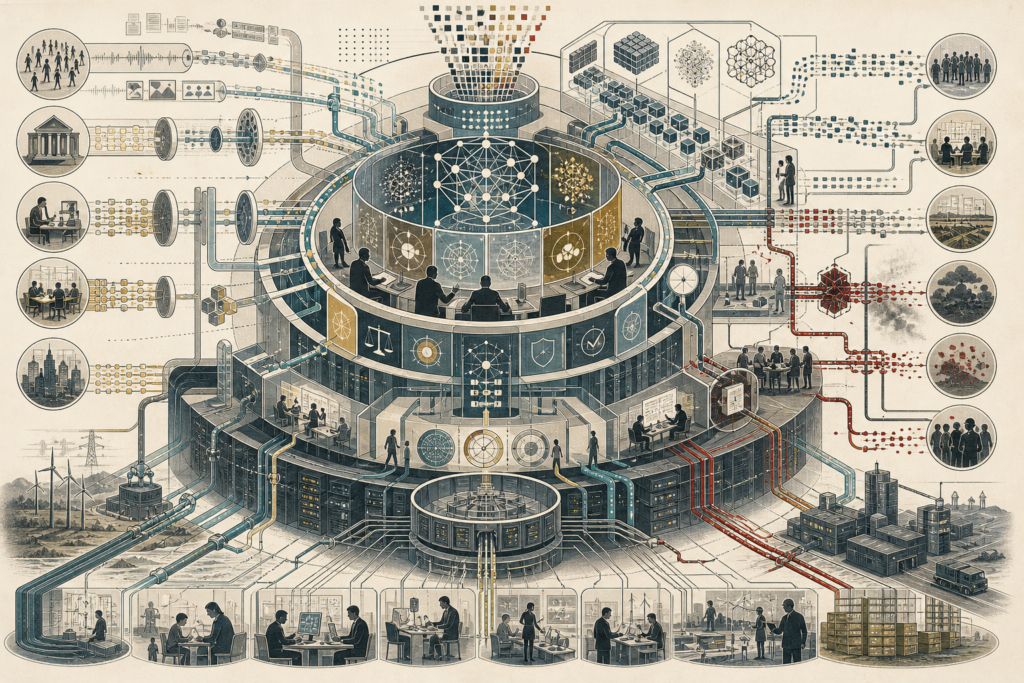
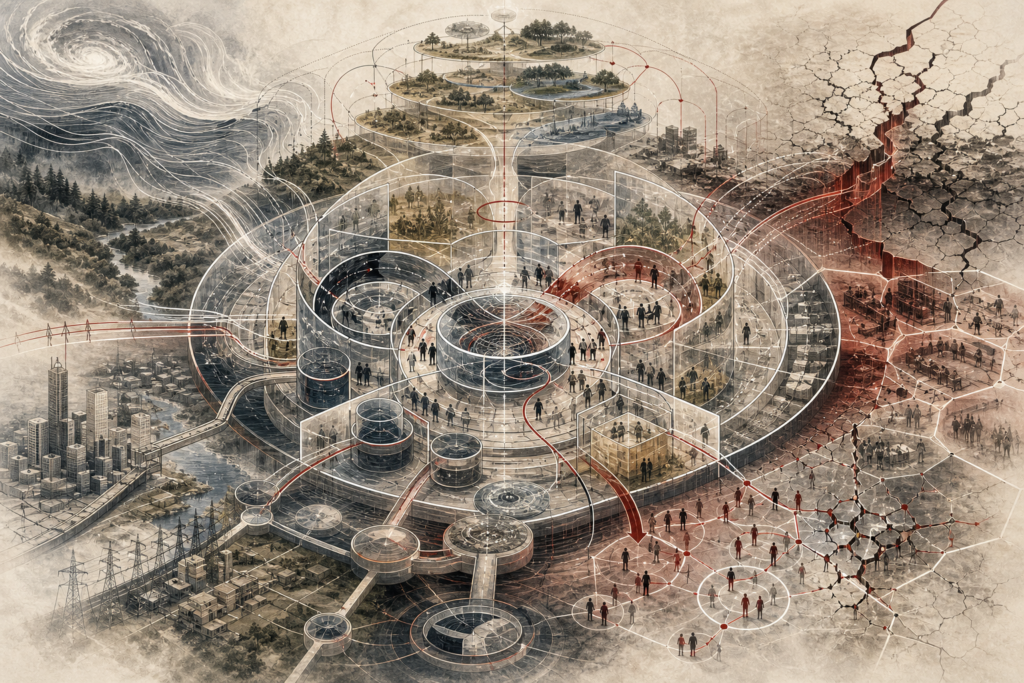
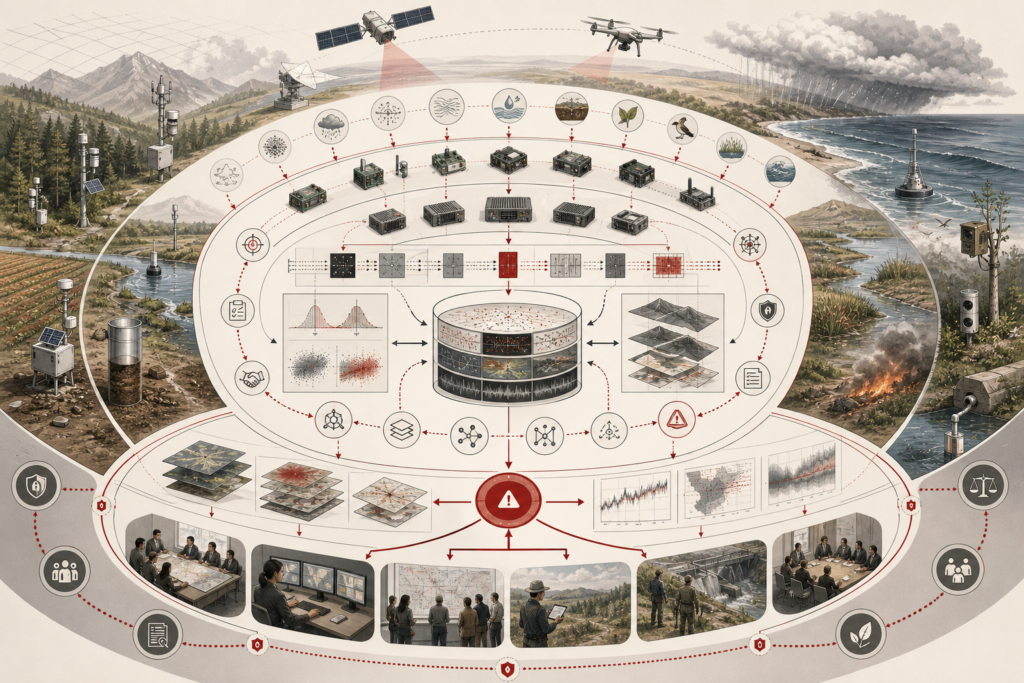
Environmental monitoring systems are the observational infrastructures that make environmental change measurable, interpretable, and actionable. This pillar explores how field sensors, embedded devices, remote sensing platforms, edge computing, TinyML, PYNQ, HDL workflows, data pipelines, geospatial analytics, statistical models, and decision-support systems monitor air, water, soil, biodiversity, climate, land systems, and environmental risk. It emphasizes the full chain from physical observation to calibrated signal, telemetry, data validation, analysis, visualization, governance, and institutional response. By connecting environmental science with Embedded C, SQL, Python, R, hardware-aware edge workflows, and reproducible data systems, the series frames monitoring as a technical and institutional foundation for sustainability strategy, resilience planning, ecological stewardship, public accountability, and responsible environmental governance.