Temple Festivals, Popular Religion, and the Social Life of Legend
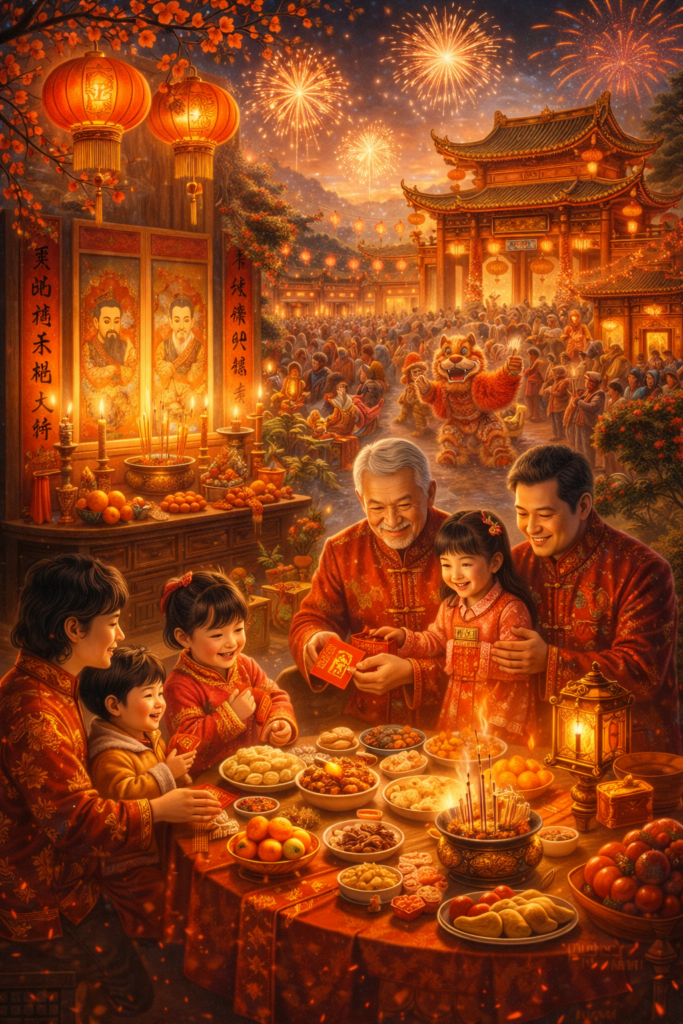
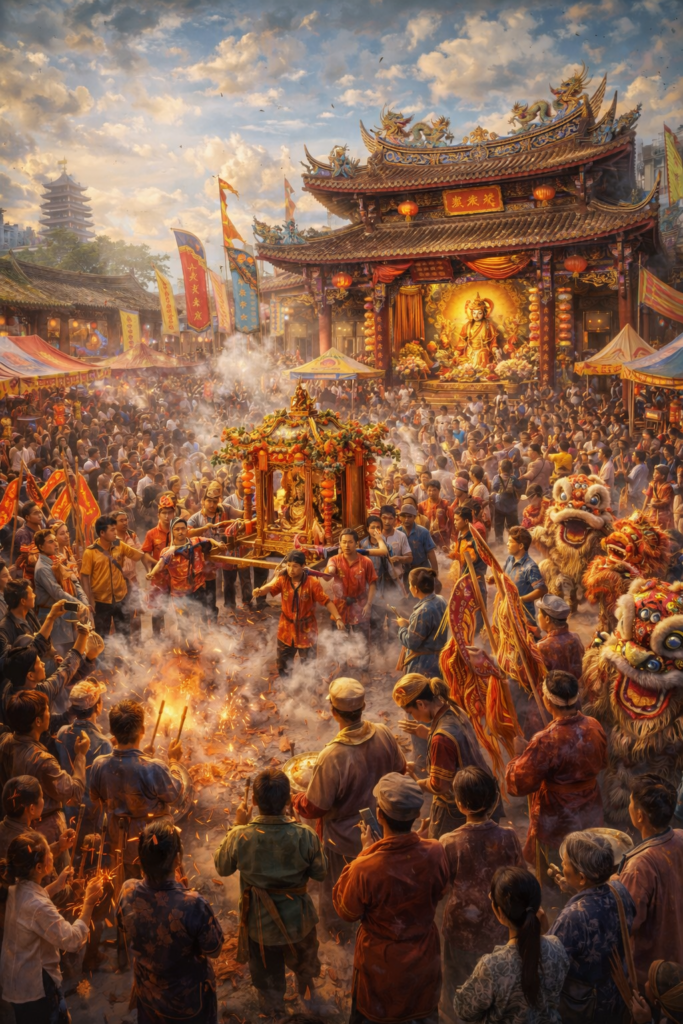
Temple festivals are among the most important settings in which Chinese legend becomes social life. Far more than isolated acts of worship or quaint survivals of folk custom, they are dense public worlds where deities, sacred territory, ritual specialists, processions, opera, markets, pilgrimage, offerings, and communal memory come together. This article explores temple festivals as key institutions of Chinese popular religion, showing how myths and legends endure not only through texts, but through embodied repetition in streets, temple courtyards, ceremonial routes, and seasonal gatherings. In these environments, sacred presence becomes public, narrative becomes performance, and local society encounters itself through the ritual circulation of gods, images, sound, spectacle, and shared time.