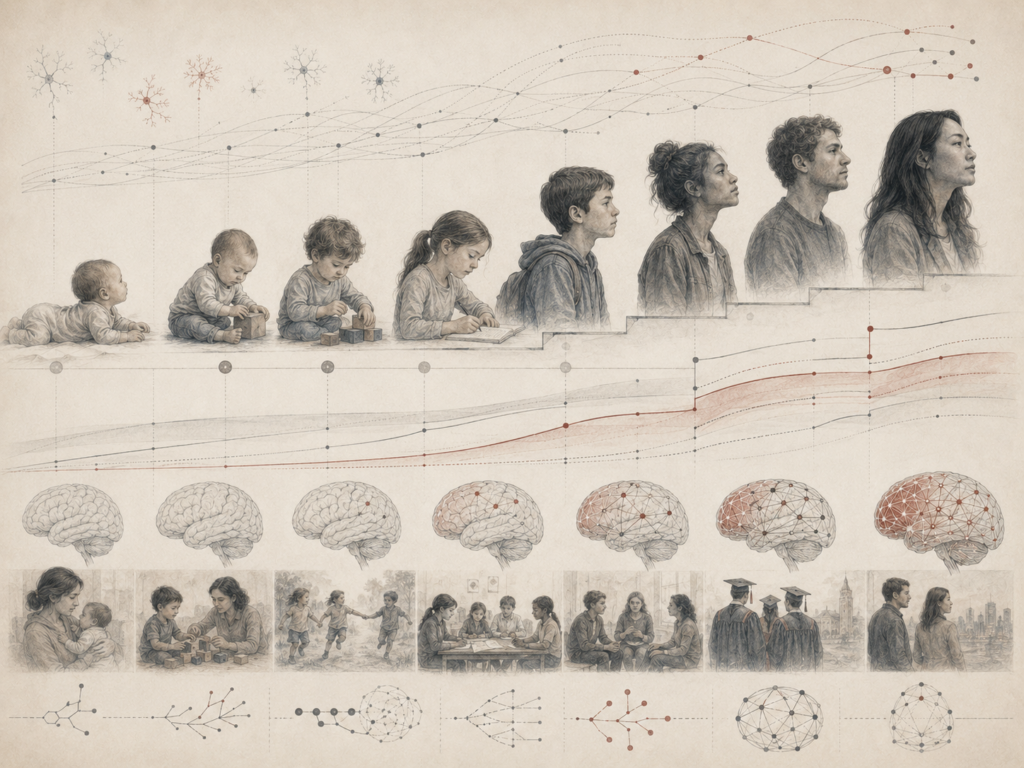
Continuity, Discontinuity, and the Logic of Developmental Change
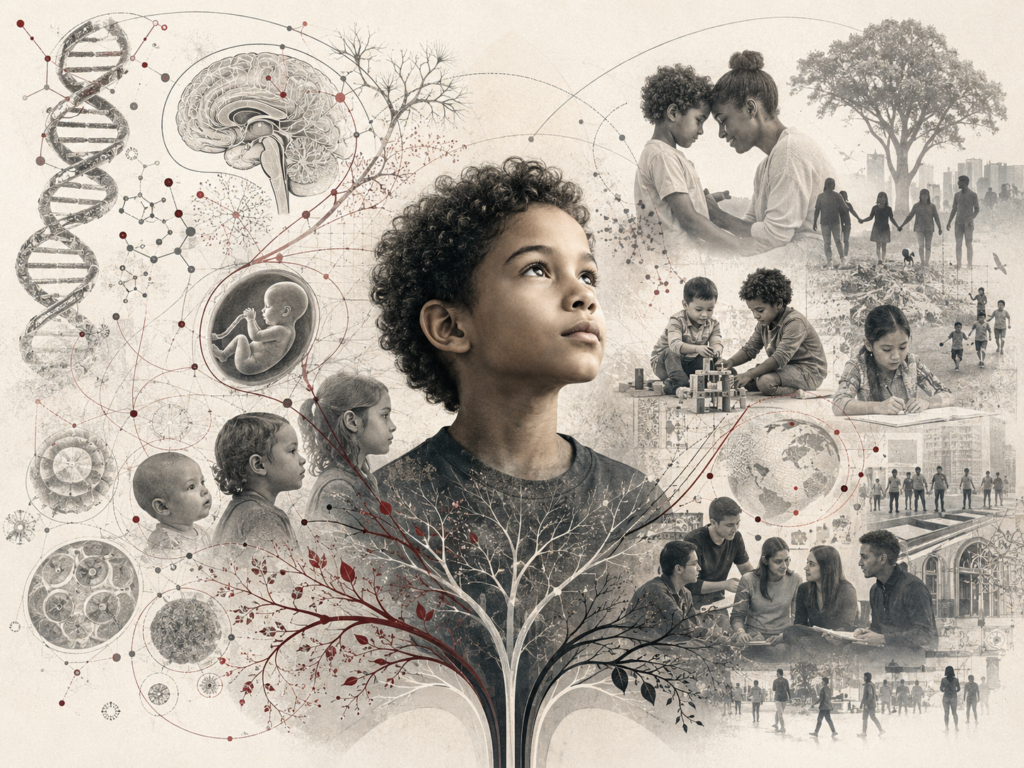
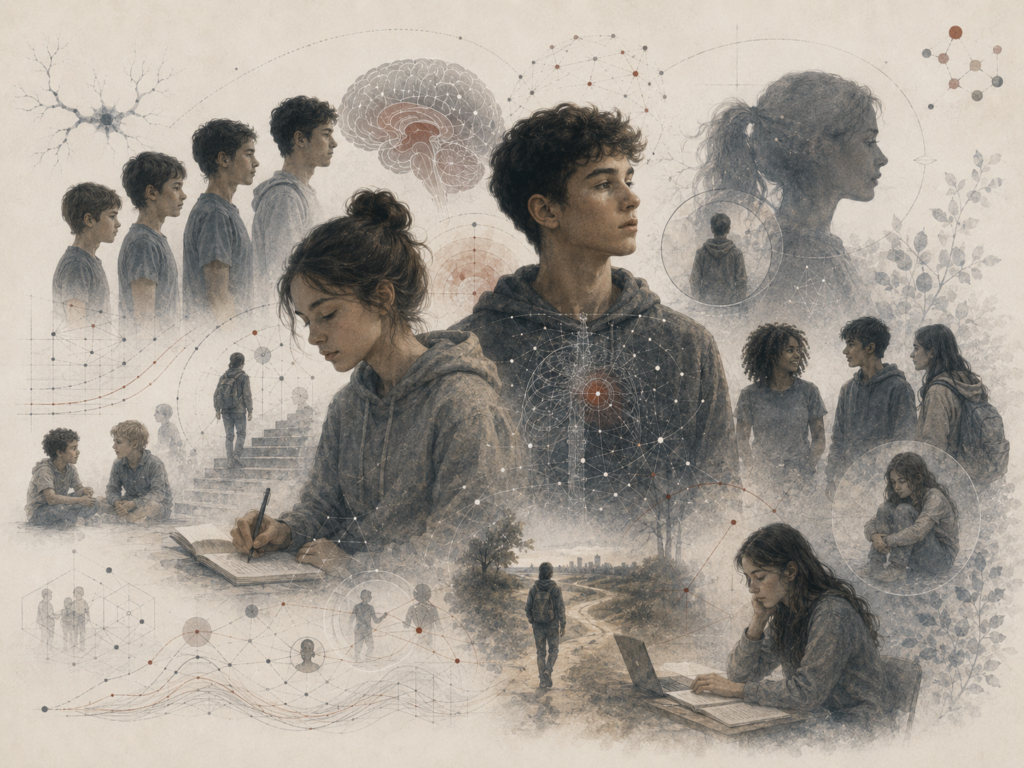
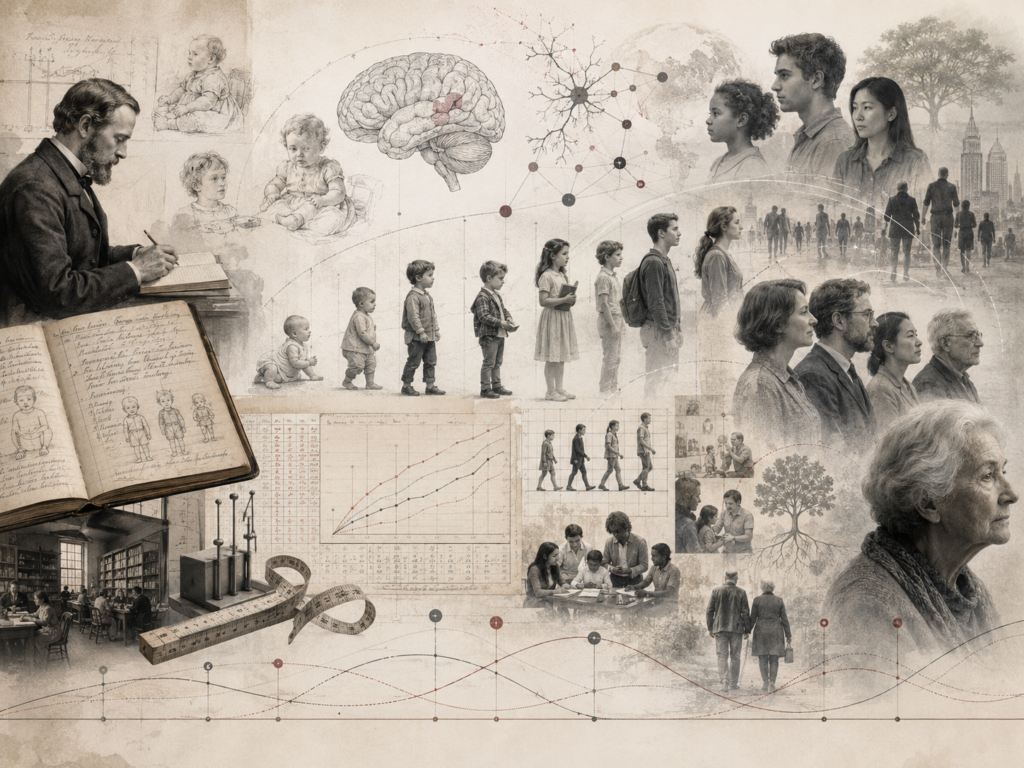
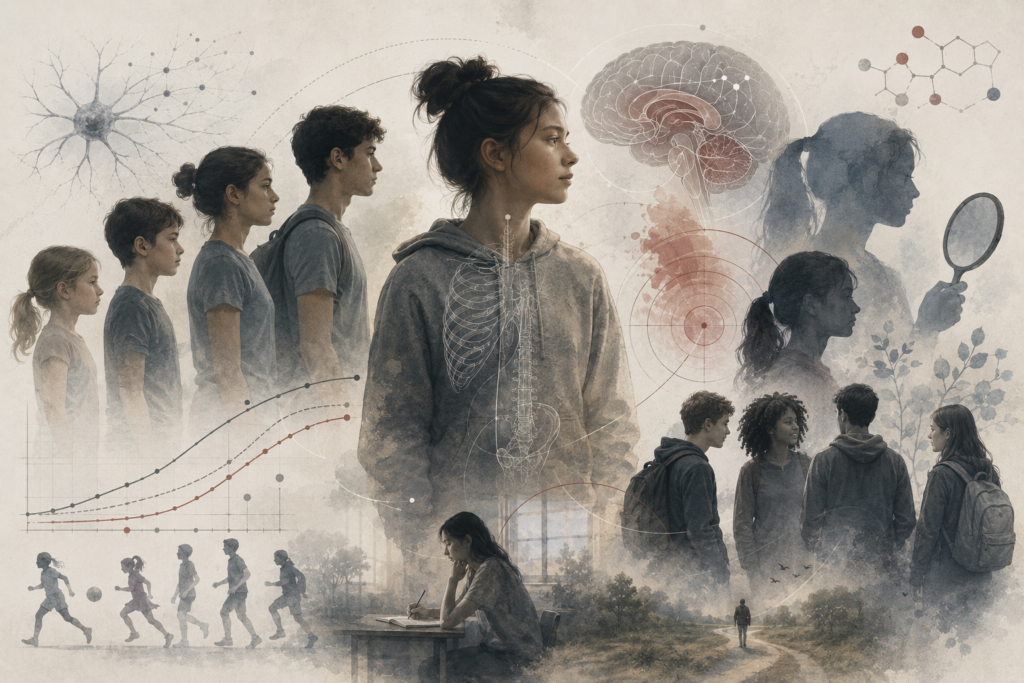
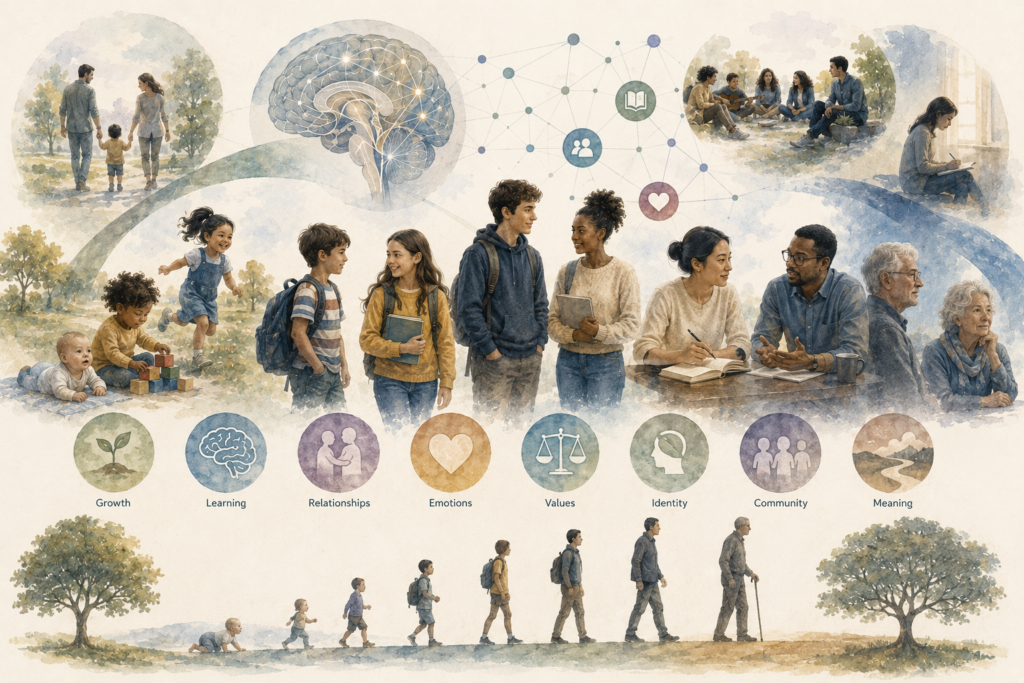
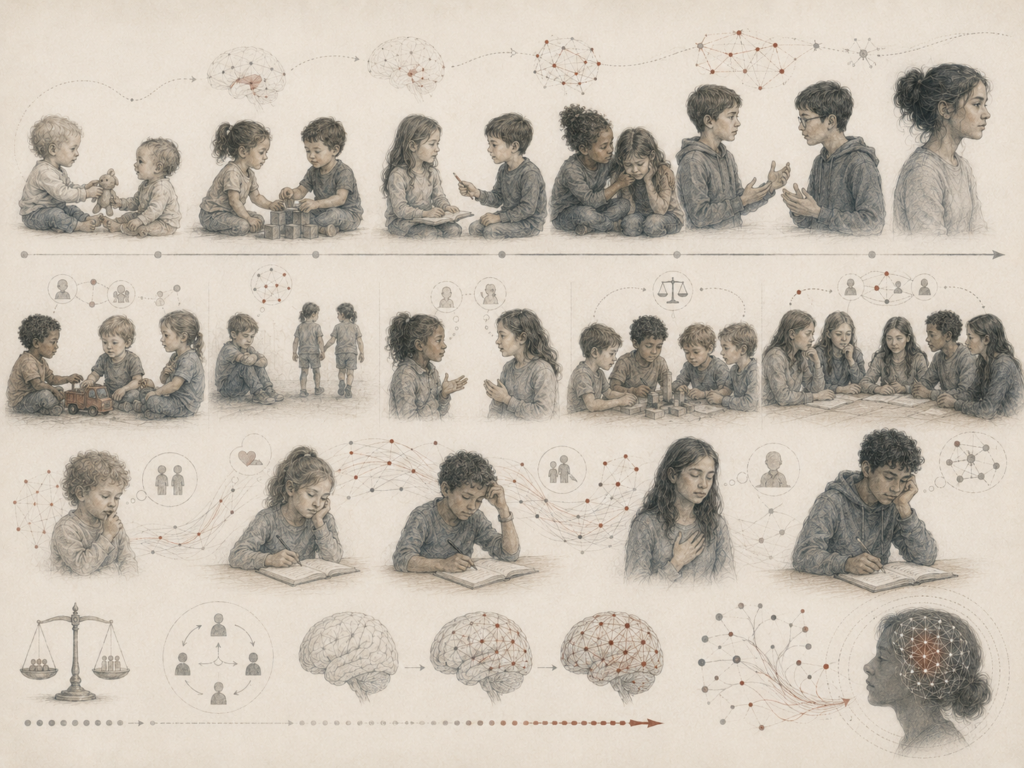
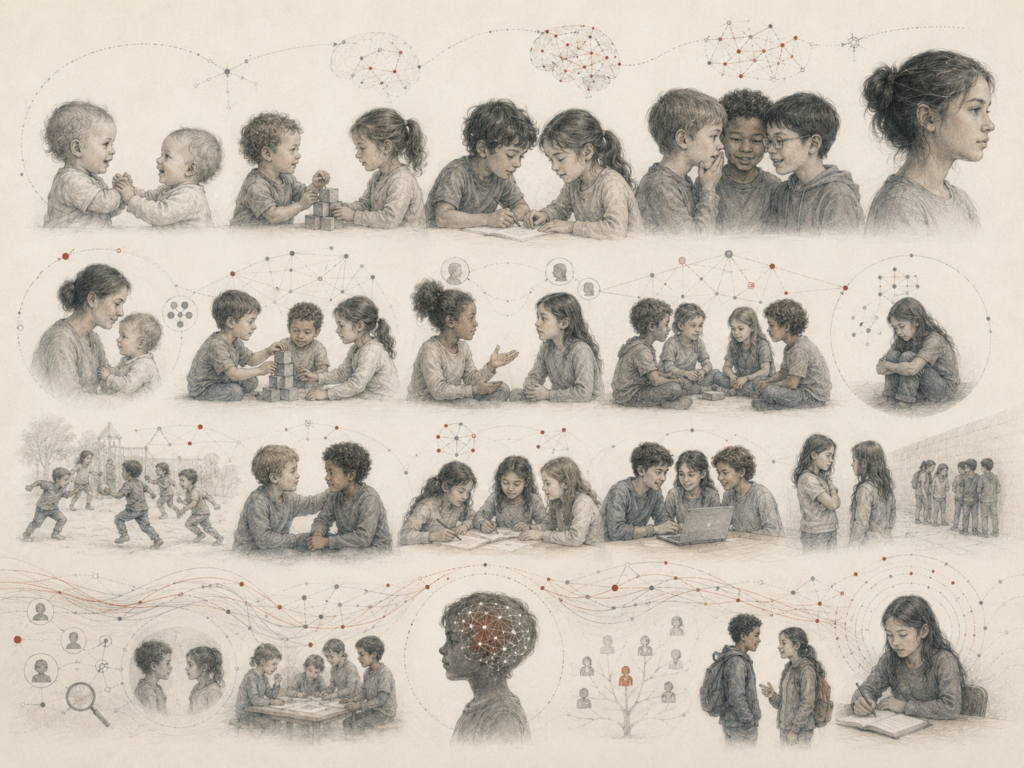
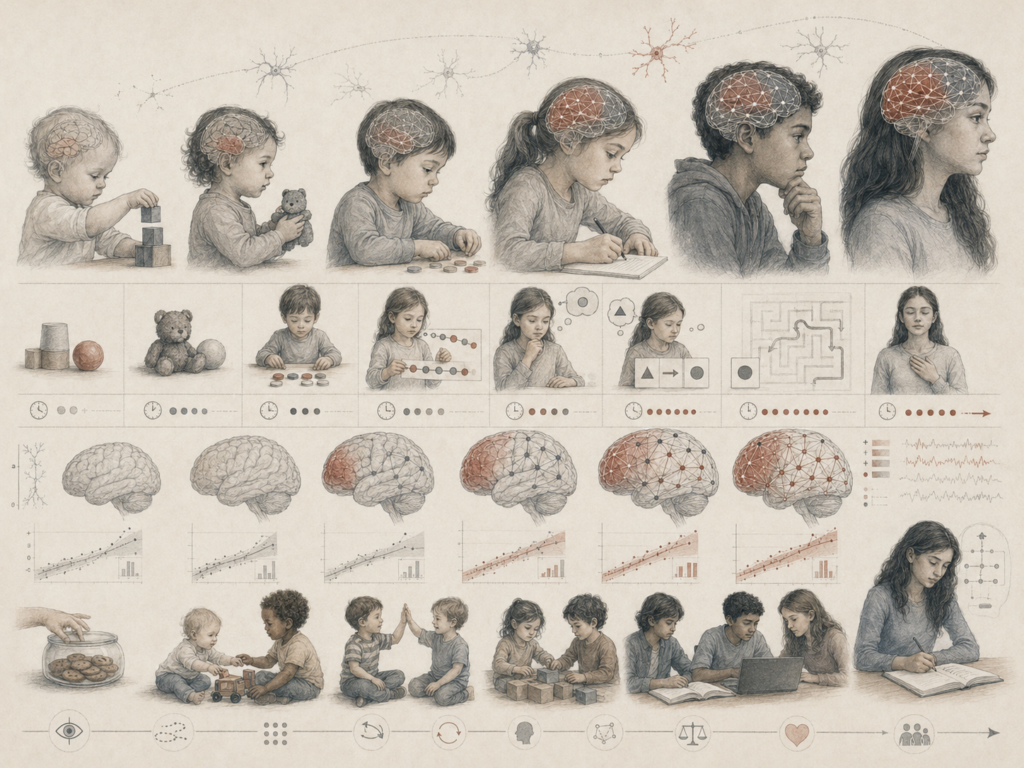
Continuity and discontinuity is one of developmental psychology’s deepest questions because it asks how change itself is organized. Does development proceed gradually, through cumulative growth in skill, knowledge, and regulation, or does it shift through more qualitative reorganizations in cognition, identity, attachment, and social life? This article examines the debate across classical theory, lifespan and developmental systems perspectives, and domains such as language, moral development, and adolescence. It argues that development is rarely purely one or the other. Many processes are continuous in buildup and discontinuous in expression, with timing, context, inequality, and institutional disruption shaping when change appears gradual, threshold-based, or structurally transformative.