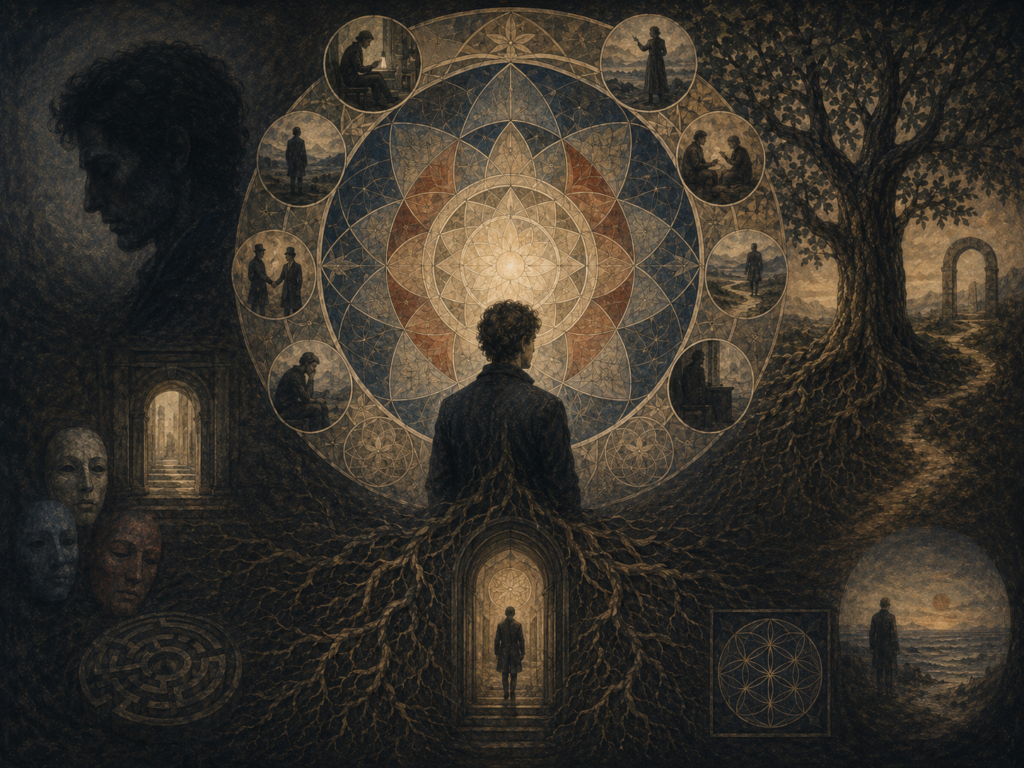
The Self in Jungian Thought: Totality, Center, and Symbol
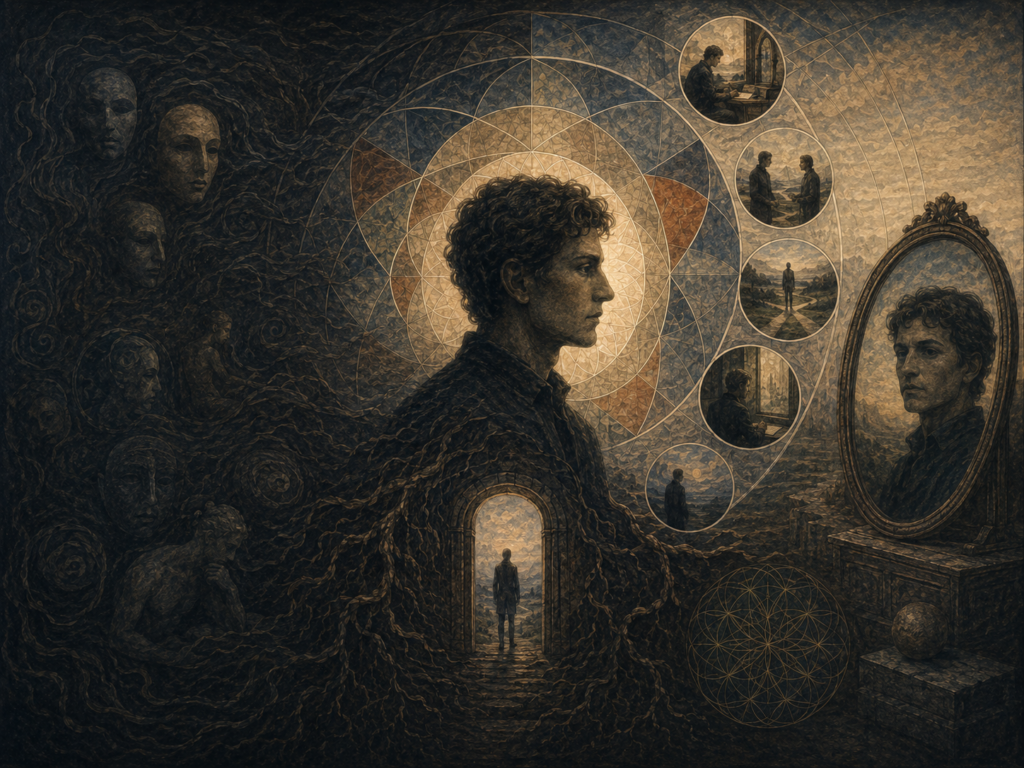
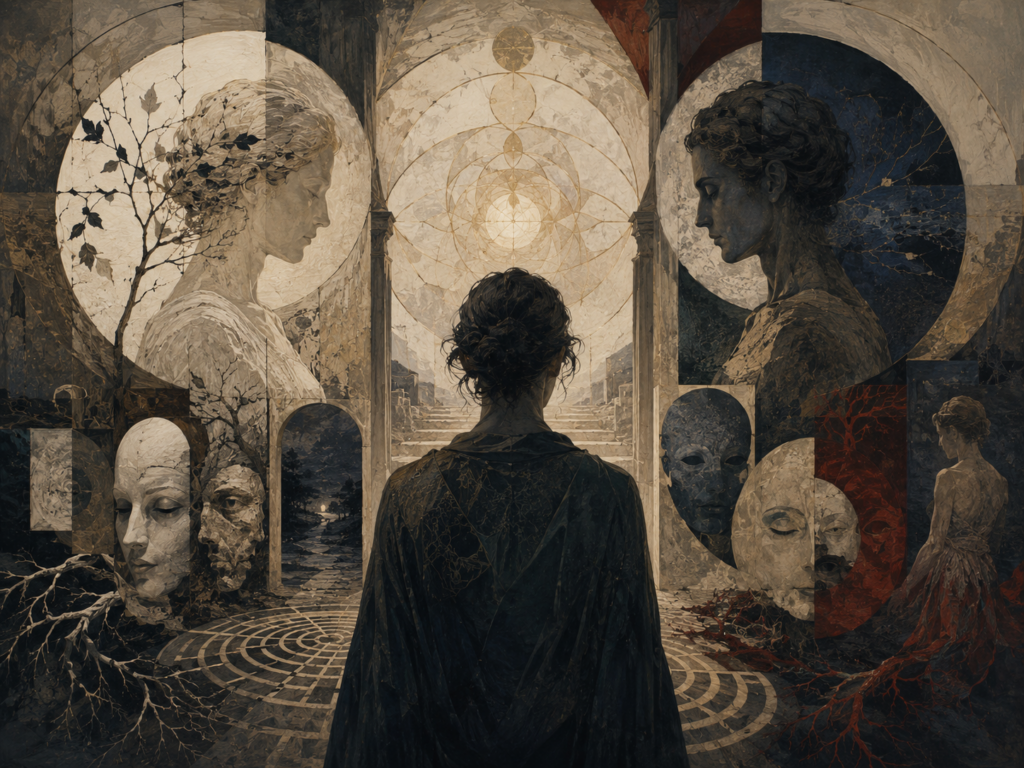
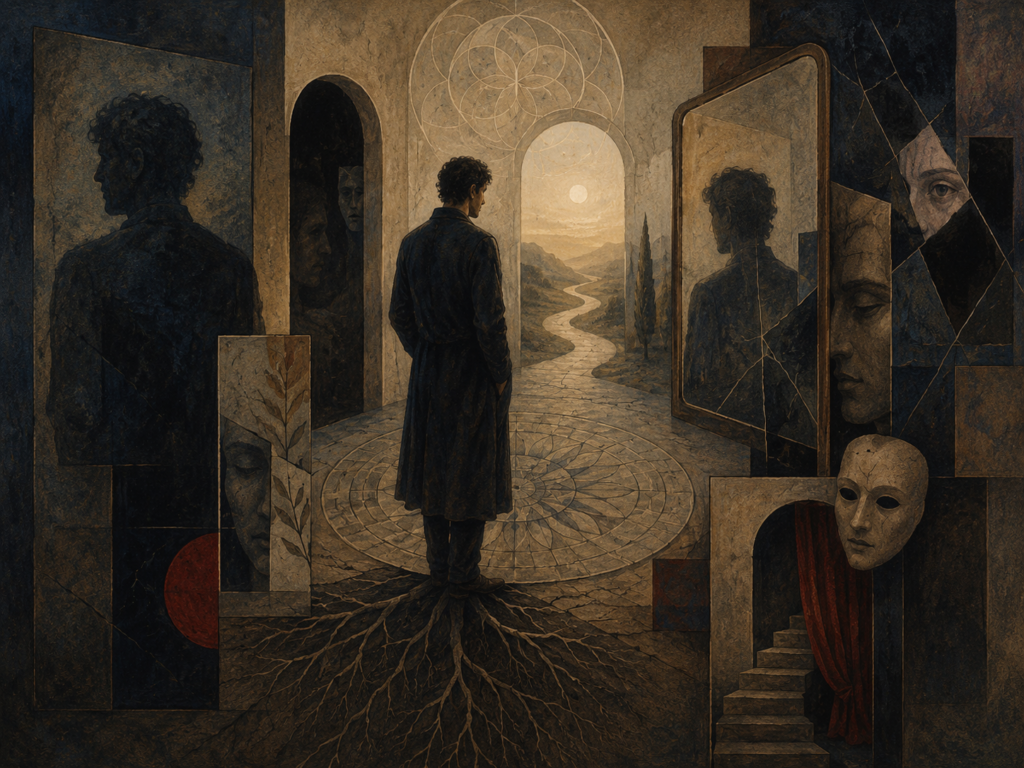
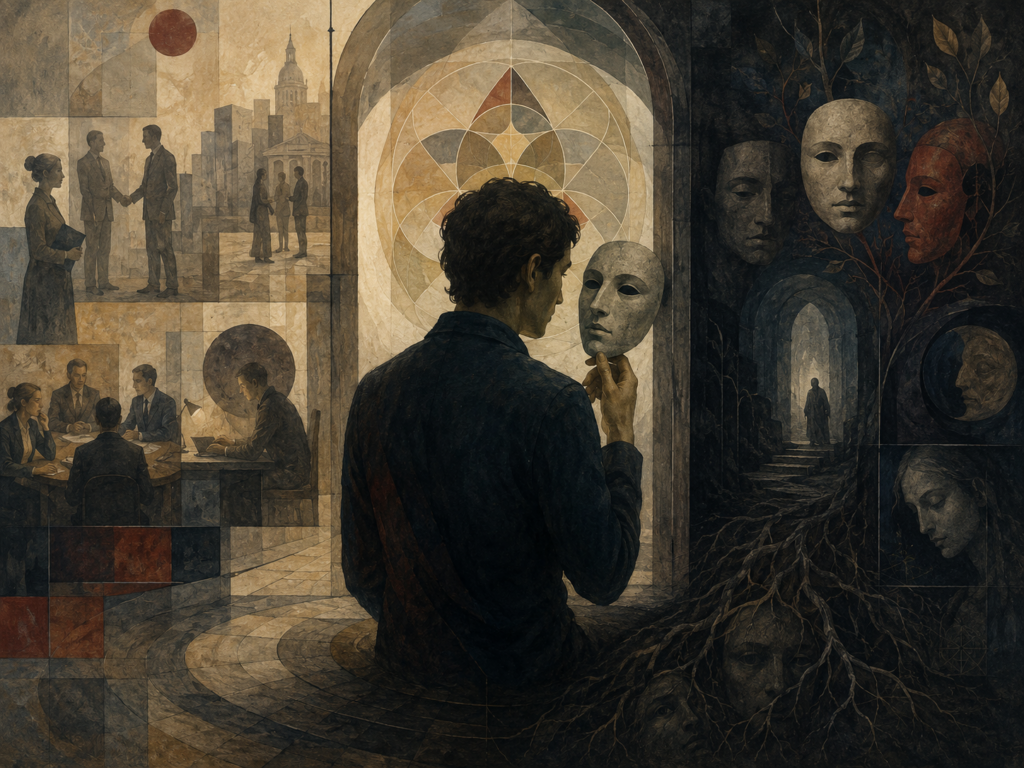
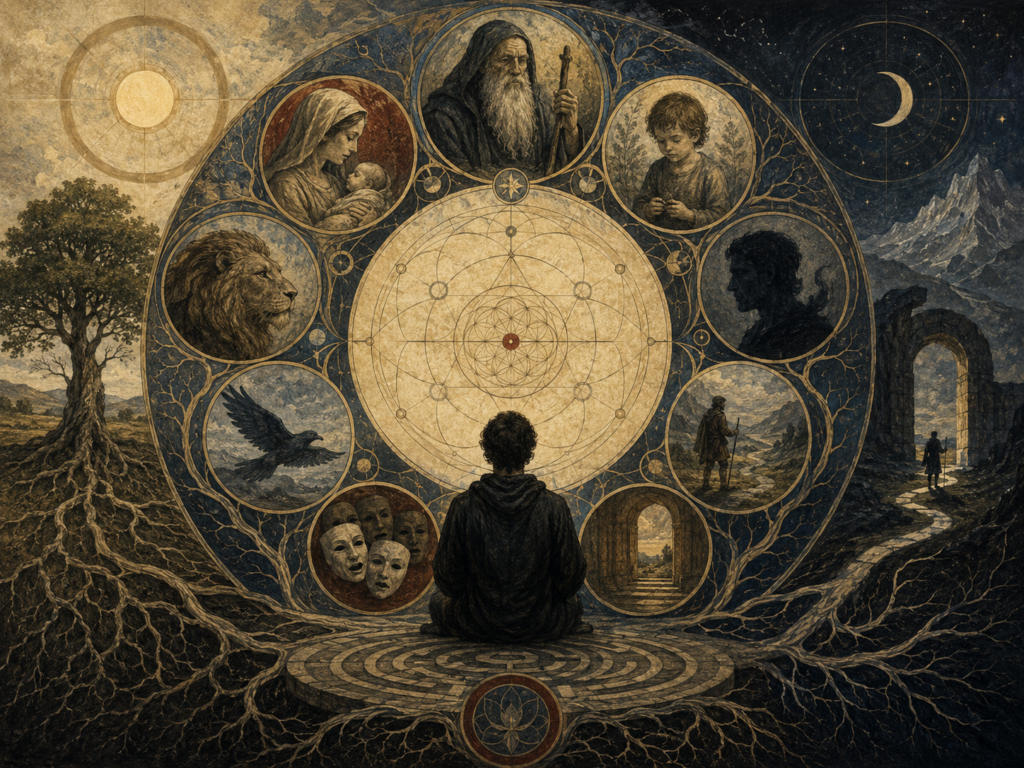
In Jungian thought, the Self is not the ego enlarged but the totality of the psyche and the symbolic center that orders its differentiated parts. Jung used the concept to explain how psychic life tends toward integration, compensation, and forms of inward wholeness that exceed conscious identity alone. This article examines the Self as totality, center, regulator, and symbolic horizon, showing why it appears through mandalas, quaternities, sacred centers, and other images of psychic order rather than through direct conceptual grasp. It also explores the relation between the Self and individuation, the tension between psychology and religious symbolism in Jung’s language, and the enduring value and risks of one of analytical psychology’s most ambitious concepts.