Personality, Culture, and the Problem of Universality
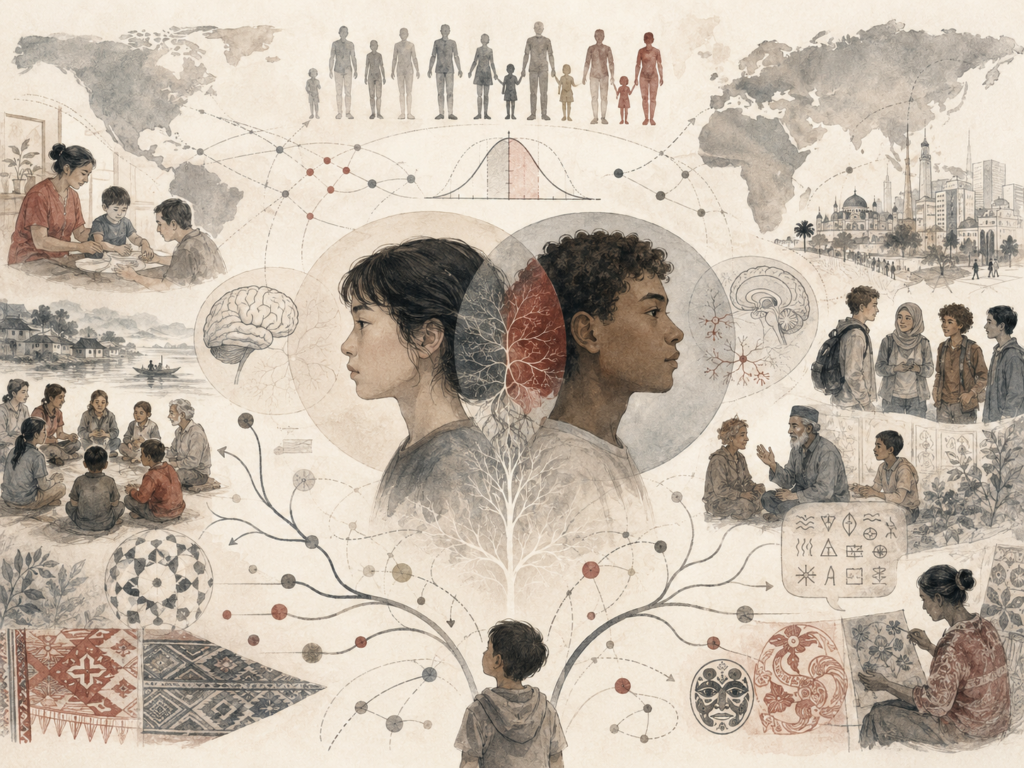
Personality, culture, and the problem of universality belong together because personality psychology cannot claim to describe human individuality without asking how far its models actually travel across societies, languages, and histories. This article examines the strongest evidence for recurring broad trait structure alongside the major challenges to strong universality claims, including non-WEIRD samples, lexical variation, measurement problems, culture-specific personality concepts, and differences in how traits are behaviorally expressed. It argues that the best current position is neither naïve universalism nor total relativism, but a more careful view in which broad personality dimensions may recur while facets, meanings, and enactments remain culturally variable. The result is a more serious account of universality as a graded and contested claim rather than a settled fact.