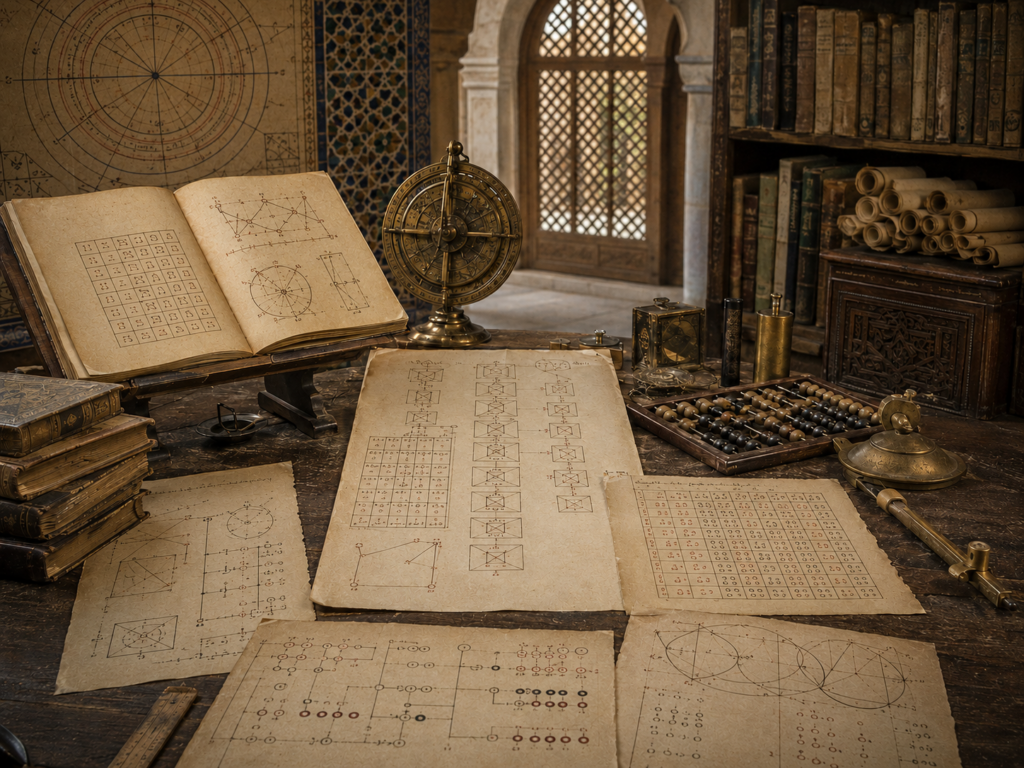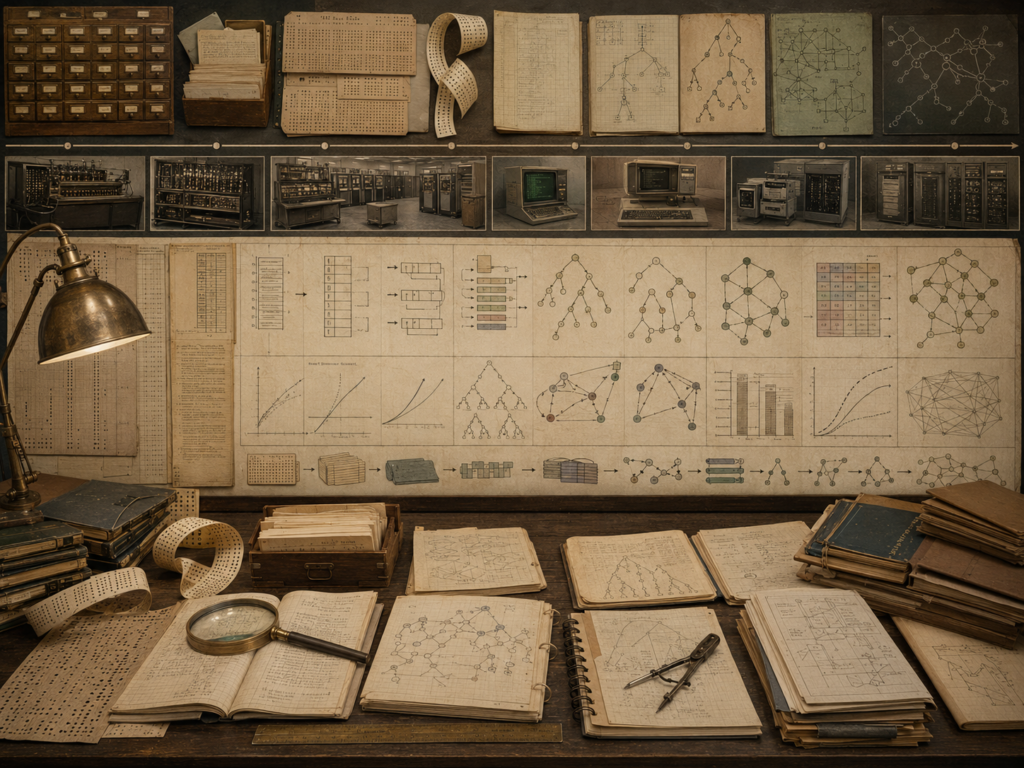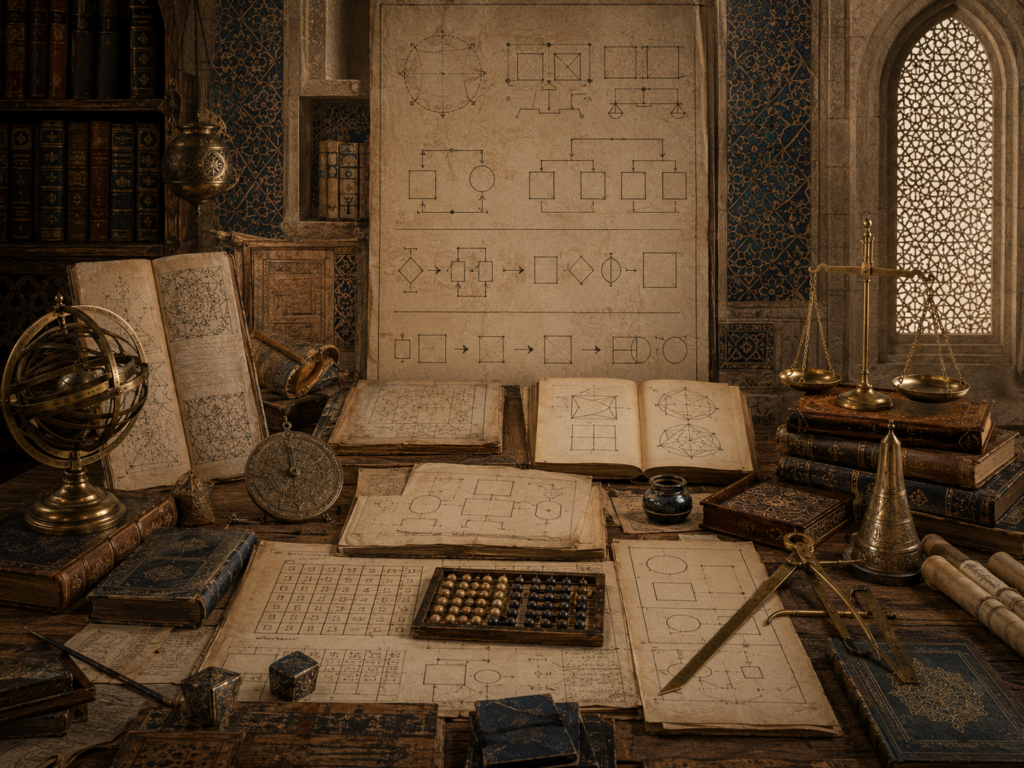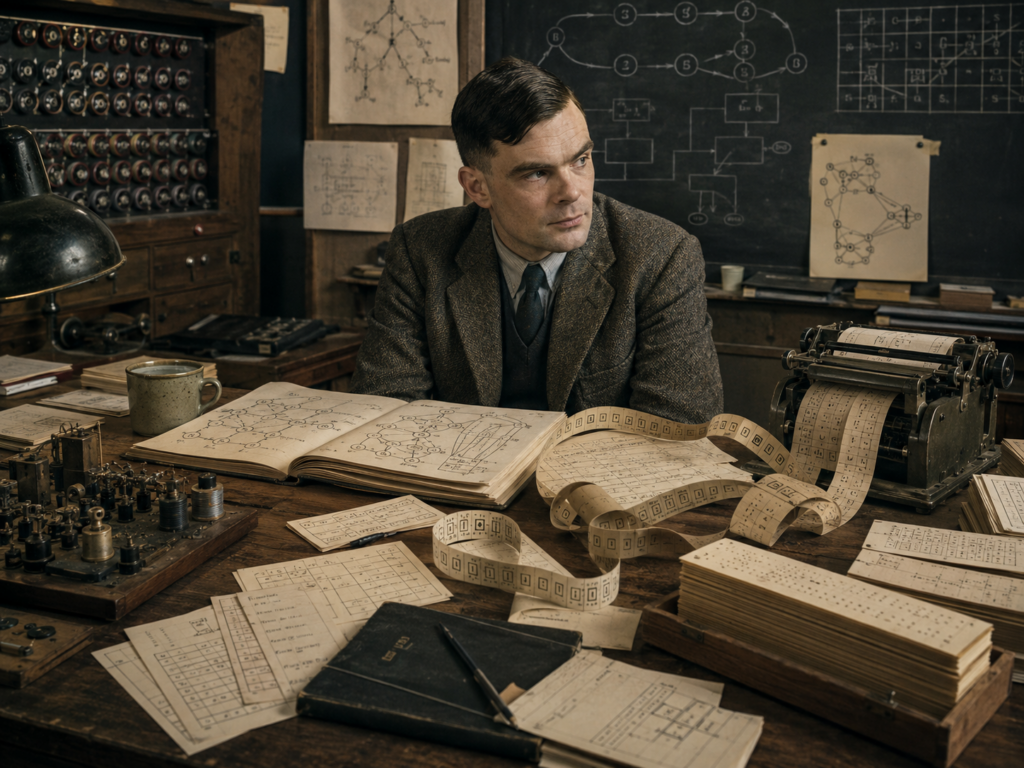
Alan Turing, Computation, and the Machine Model of Reasoning: Computability, Limits, and AI
Alan Turing, Computation, and the Machine Model of Reasoning examines how Turing transformed procedure into a formal model of computation. This article introduces Alan Turing, computable numbers, effective procedure, finite means, Turing machines, tape, symbols, states, transition rules, machine configurations, human computers, universal machines, program-as-description, decidability, undecidability, the Entscheidungsproblem, the halting problem, Church-Turing thesis, Alonzo Church, lambda calculus, symbolic reasoning, machine intelligence, imitation game, artificial intelligence, behavioral testing, automation limits, and responsible algorithmic reasoning. It explains why Turing’s legacy is not only the idea of a machine, but a disciplined way to define what can be computed, what cannot be decided, and how machine behavior should be interpreted. By connecting formal procedure, universal computation, logical limits, and AI caution, the article frames Turing as central to modern computational reasoning and responsible automation across software, governance, science, and policy today.