Fragmentation and Coherence in International Legal Order
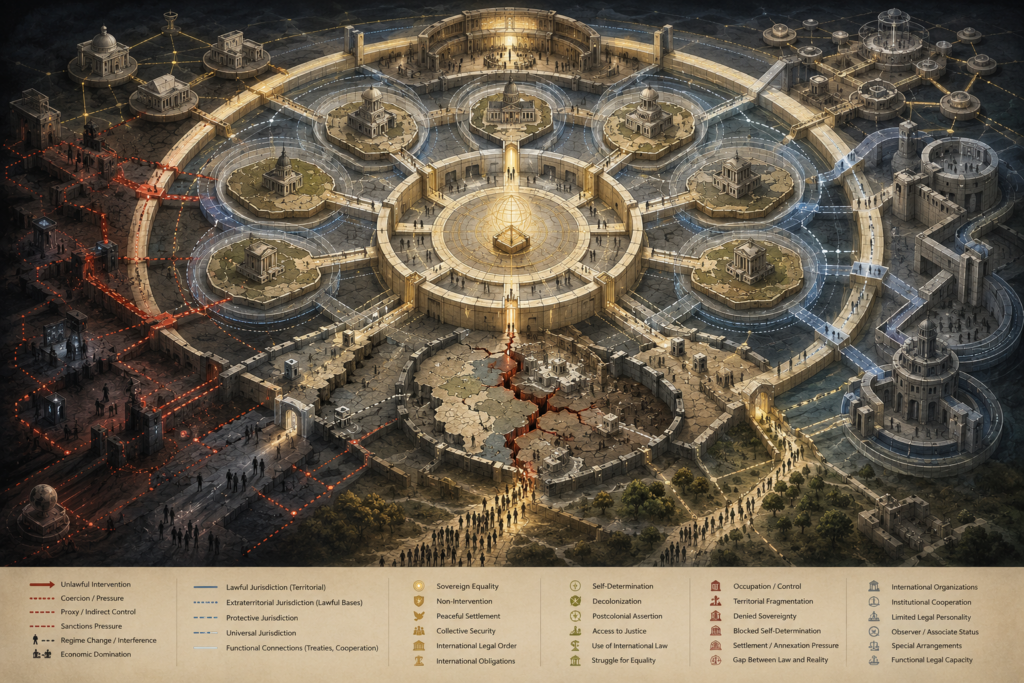
Fragmentation and coherence in international legal order describe one of the defining tensions of contemporary international law: the coexistence of expanding specialization and the continuing need for legal unity, intelligibility, and systemic coordination. As international law has developed across trade, human rights, environmental governance, humanitarian law, investment, criminal accountability, and regional integration, it has become more differentiated in both doctrine and institutional structure. This article examines how fragmentation arises through overlapping regimes, multiple courts and tribunals, competing obligations, and divergent interpretive priorities, while also analyzing the legal techniques used to preserve coherence, including systemic integration, lex specialis, lex posterior, and the continuing role of general international law.