Landscape Resilience and Disturbance Regimes
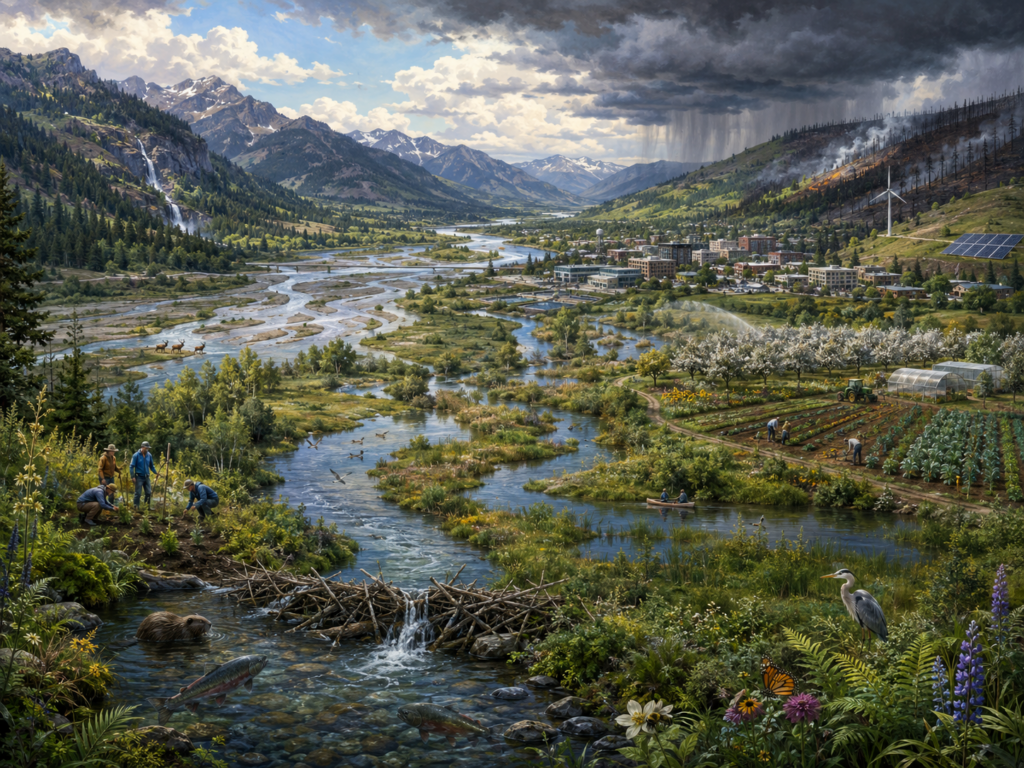
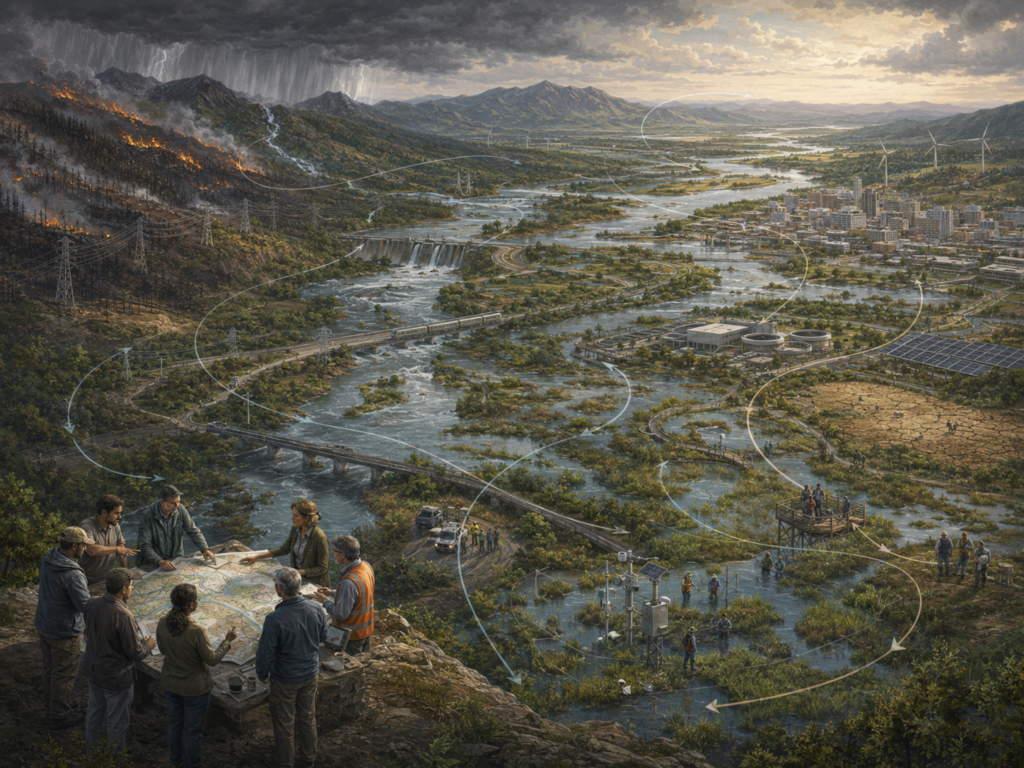
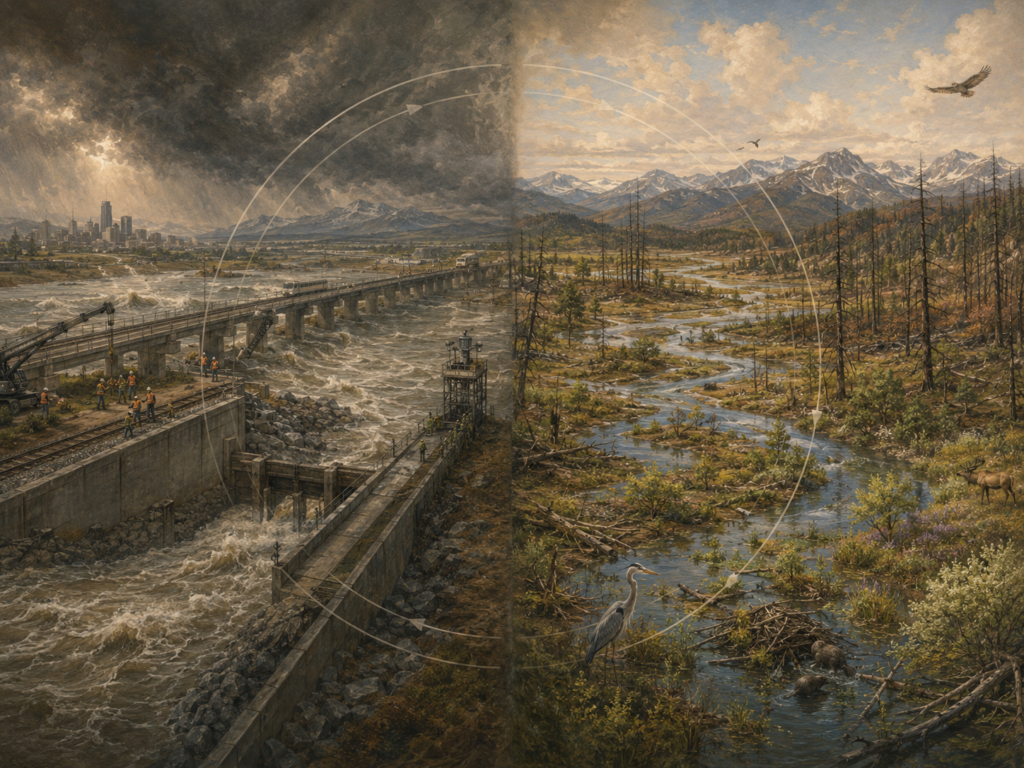
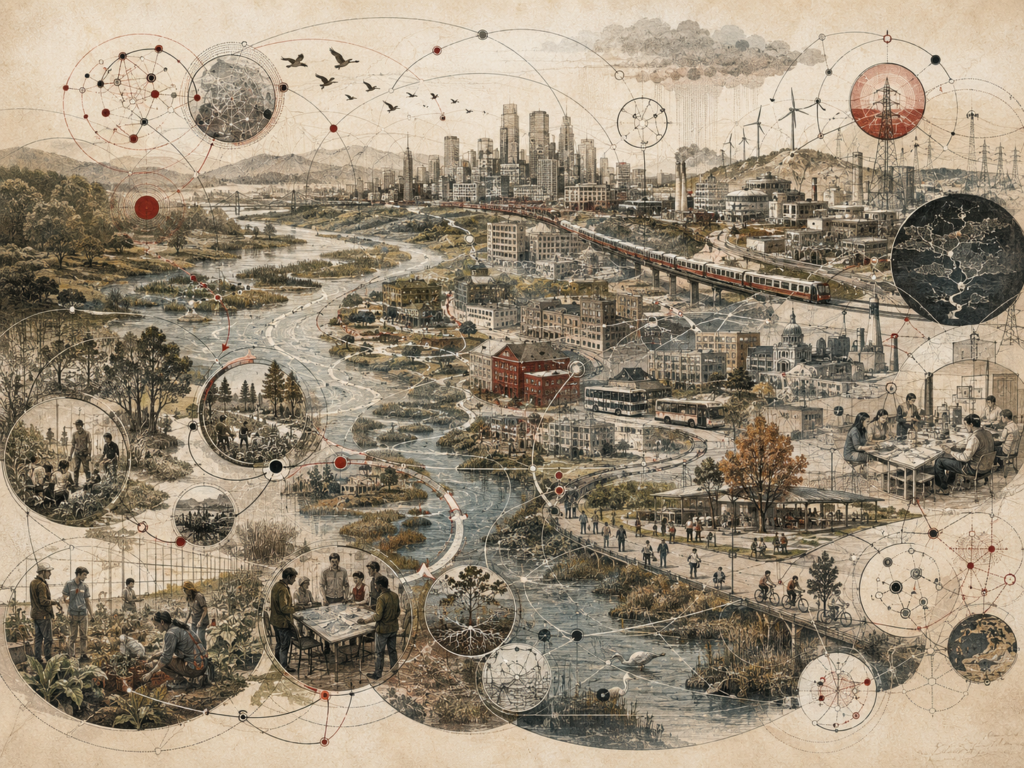
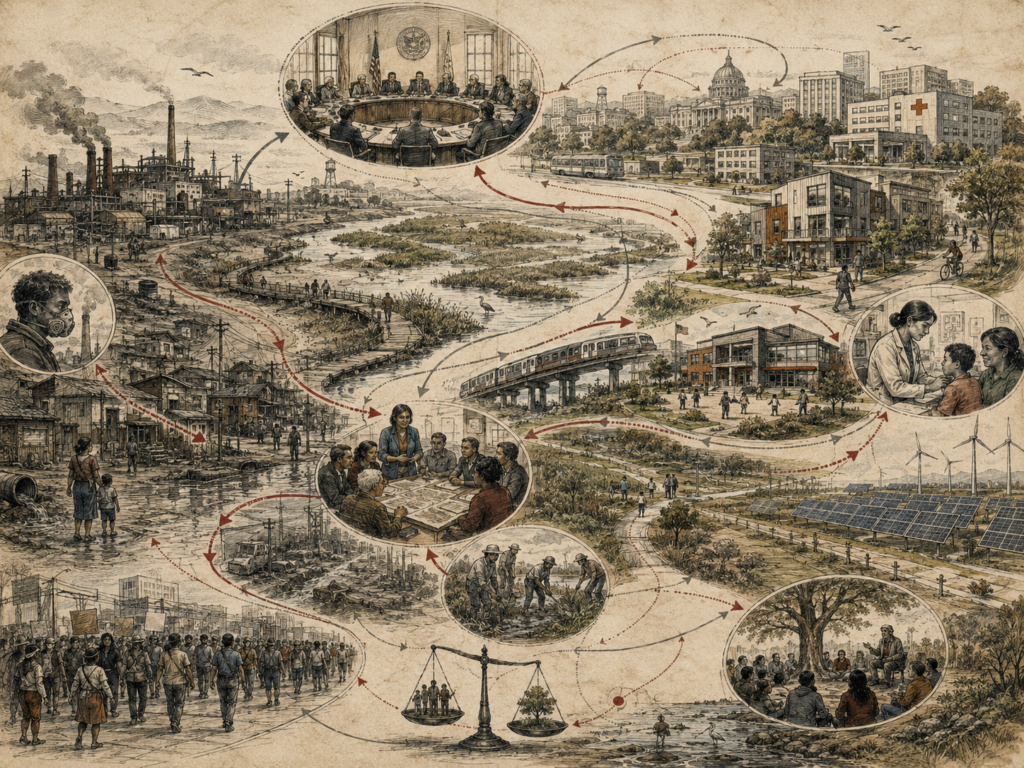
Landscape resilience depends on how disturbance moves through space, how ecological memory survives across patches, and how landscape structure either absorbs, redirects, or amplifies change. A landscape is not simply a large ecosystem. It is a spatial mosaic of habitats, patches, edges, corridors, watersheds, soils, vegetation, species populations, human land uses, infrastructures, and disturbance histories. Its resilience depends on pattern as much as process: where forests, wetlands, grasslands, rivers, farms, roads, cities, refugia, and fire-prone zones are located, how they connect, and how disturbance spreads across them. This article explains how disturbance regimes shape landscape resilience through patch dynamics, spatial heterogeneity, connectivity, refugia, ecological memory, fire, flooding, drought, fragmentation, climate change, social vulnerability, and adaptive governance.