Stewardship Versus Ownership, Use, and Control
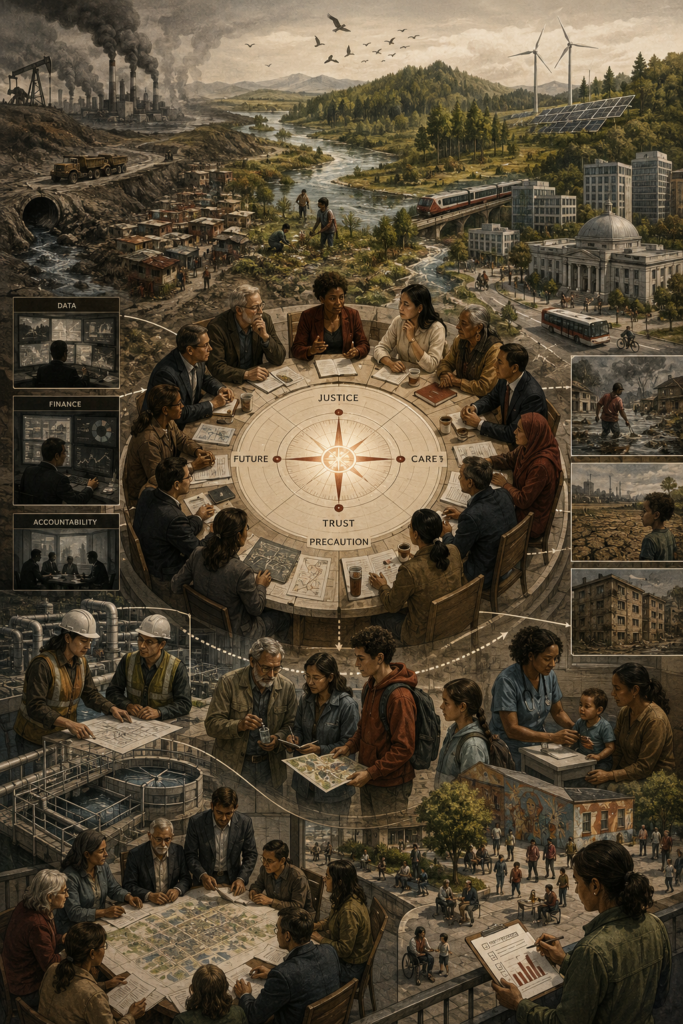
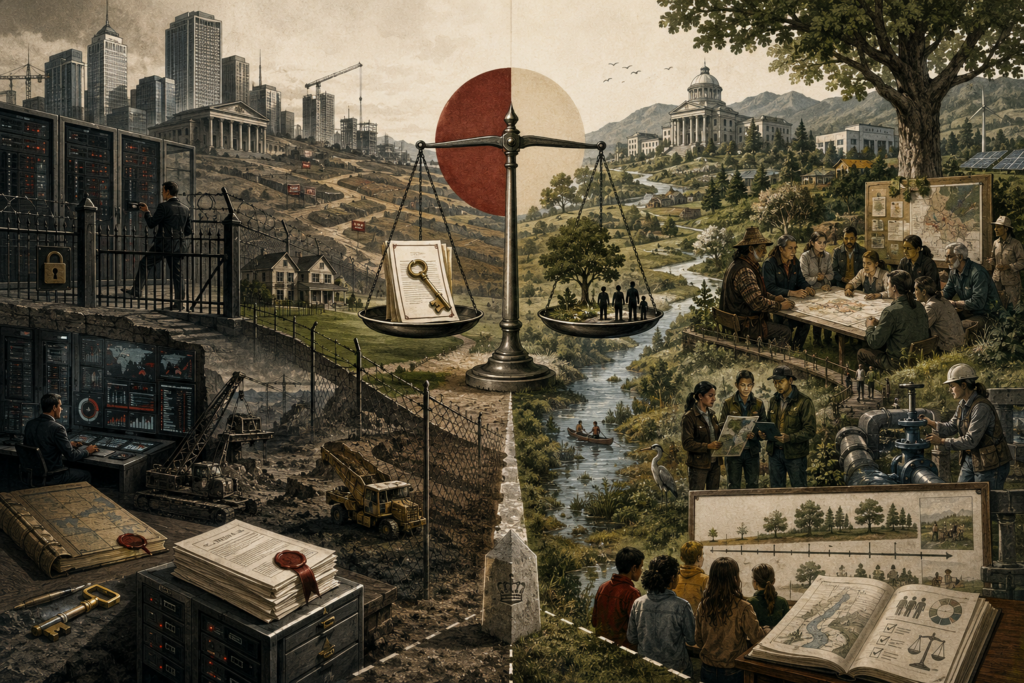
Stewardship is not the same as ownership, use, or control. Ownership grants claims, use enables benefit, and control directs systems, but stewardship asks whether those forms of authority are exercised with responsibility, restraint, and accountability. This article examines why legal entitlement does not automatically create moral legitimacy, especially when land, infrastructure, finance, data, ecosystems, and public institutions affect others beyond the immediate owner or manager. It contrasts dominion with trusteeship, explores commons governance and fiduciary responsibility, and argues that sustainable systems require authority to be judged by what it preserves, what it endangers, and whose future it shapes. Stewardship becomes the higher ethical standard for power in a shared world: not merely whether someone has the right to act, but whether that action protects ecological integrity, public trust, vulnerable communities, and future generations.