Curriculum Pathways and Framework Design: Building Learning Systems from Content
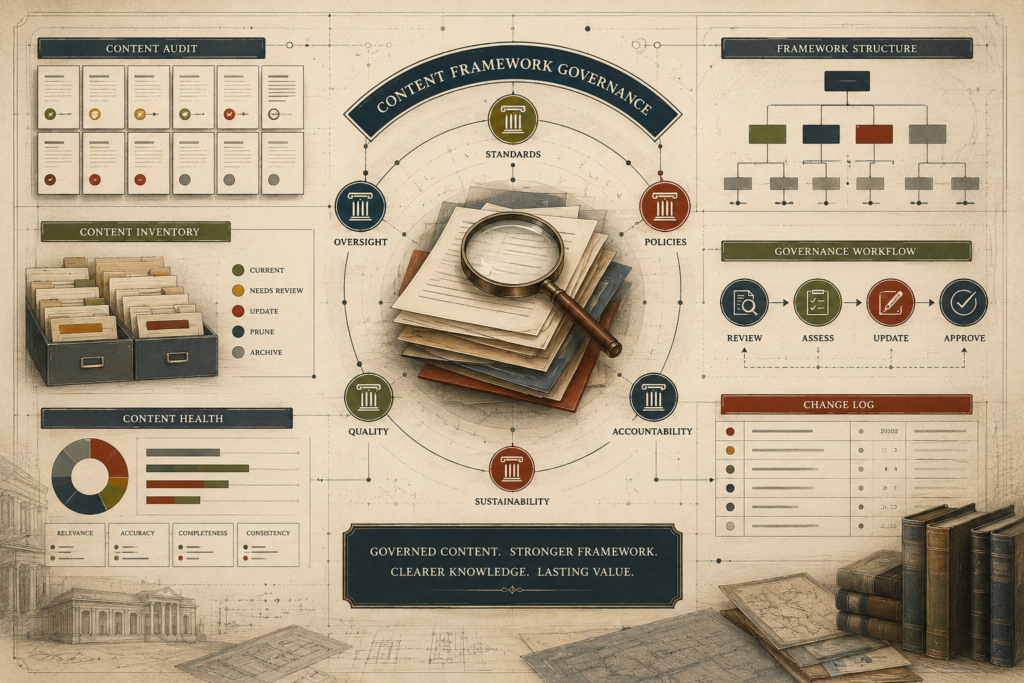
Curriculum pathways and framework design help transform content collections into structured learning systems. This article explains how pathways organize knowledge through orientation, foundations, methods, practice, application, critique, transfer, accessibility, and governance. It examines how article maps, pillar pages, prerequisite links, learning objectives, examples, feedback prompts, assessment points, repository workflows, and review cycles can guide learners through complex domains without forcing a single rigid route. The article also distinguishes curriculum pathways from courses, syllabi, article maps, and simple content lists. Good pathway design makes sequence visible, supports different entry points, manages cognitive load, and helps learners move toward independent use. By treating framework design as educational infrastructure, publishers can build knowledge systems that are easier to navigate, teach, audit, revise, and adapt across research, public communication, professional learning, interdisciplinary study, and long-term editorial maintenance over time as knowledge systems grow.