Logic Models and Theory of Change: Frameworks for Causal Strategy and Evaluation
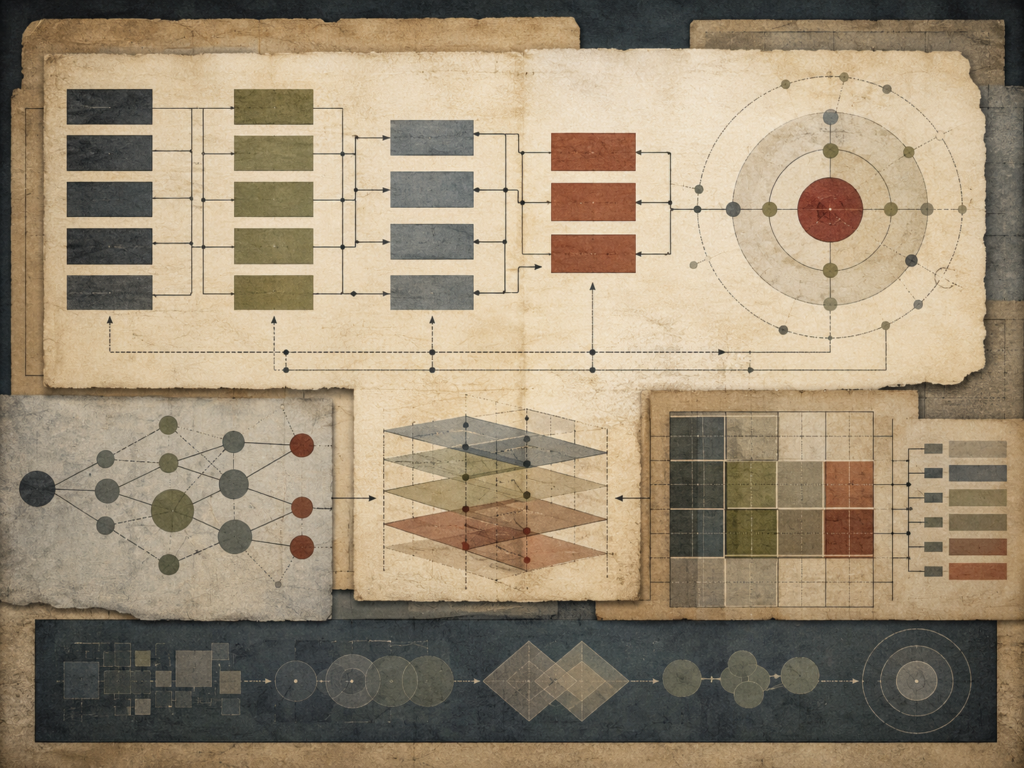
Logic Models and Theory of Change Frameworks explains how teams connect resources, activities, outputs, outcomes, assumptions, indicators, evidence, and impact into a clearer causal pathway. The article distinguishes logic models from Theory of Change frameworks, showing how logic models organize program structure while Theory of Change explains why actions are expected to produce results. It examines inputs, activities, outputs, outcomes, impact claims, assumptions, preconditions, causal pathways, measurement indicators, evaluation, evidence quality, stakeholder value, ethical risks, and relationships to OKRs, KPIs, SWOT, policy explanation, systems thinking, content audits, and message architecture. The article also warns against activity-output confusion, linear causality, hidden assumptions, vague outcomes, unsupported impact claims, and compliance theater. Used responsibly, these frameworks help writers, strategists, evaluators, educators, policymakers, and organizations communicate change with evidence, humility, and governance discipline.