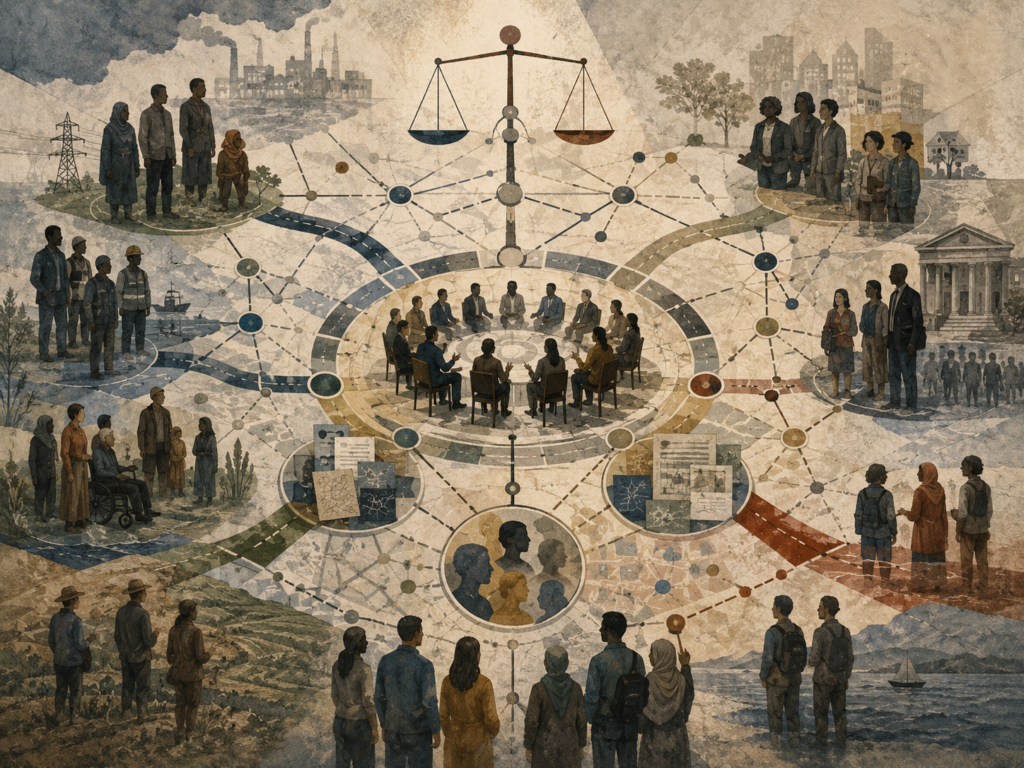
Ethics of Decision Science: Values, Fairness, and Accountability
Ethics of Decision Science examines how structured decision-making can clarify choices, reduce bias, improve accountability, and support public value while also creating risks of false precision, hidden value judgments, exclusion, procedural injustice, and institutional misuse. Decision science uses evidence, models, probabilities, decision trees, utility, trade-off analysis, stakeholder values, and decision records to improve judgment under uncertainty. But every method carries ethical assumptions about what matters, whose interests count, which harms are acceptable, and who has authority to decide. This article explains how ethical decision science requires explicit attention to values, distribution, legitimacy, consent, transparency, contestability, power, uncertainty, accountability, and lived consequences. It shows why good decision-making is not only technically rigorous, but also inspectable, challengeable, equitable, humble, and responsible to the people and systems it affects.