Planetary Stewardship and Civilizational Responsibility
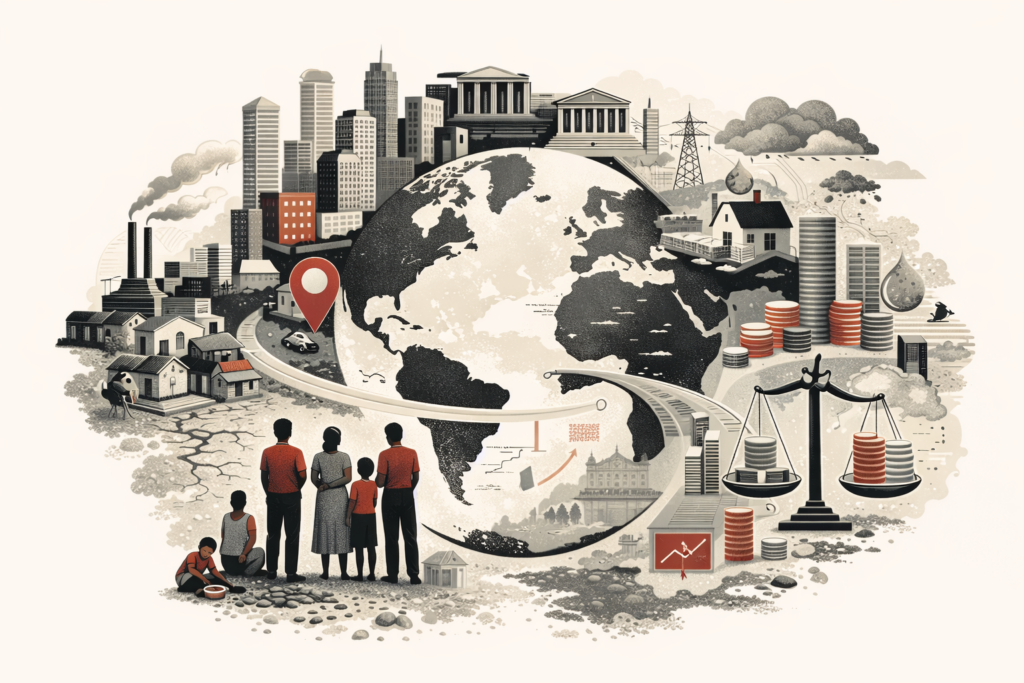
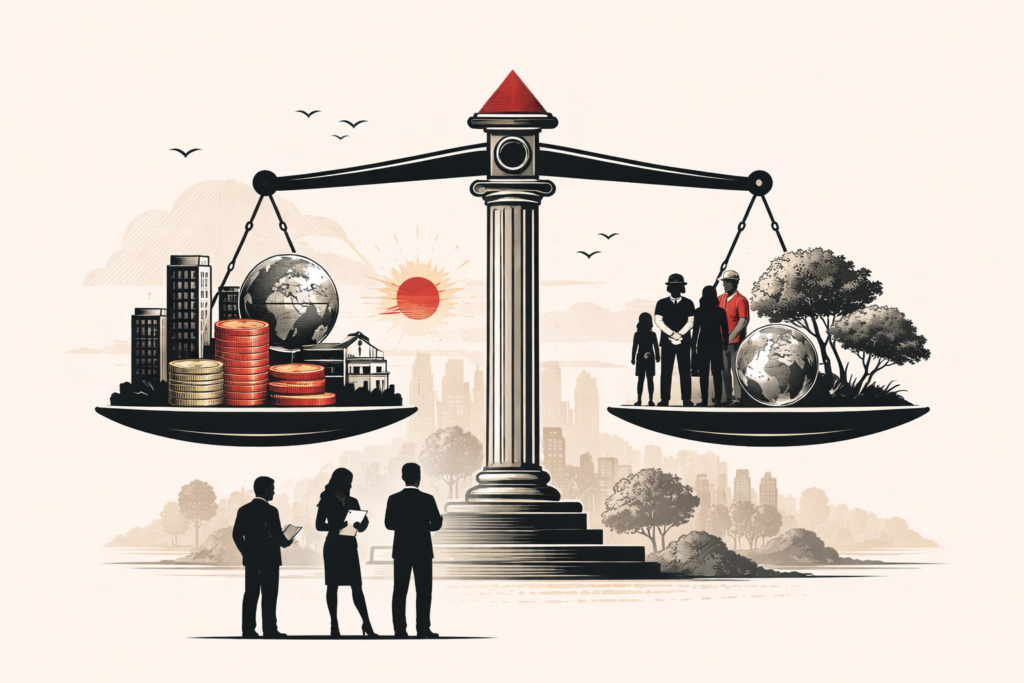
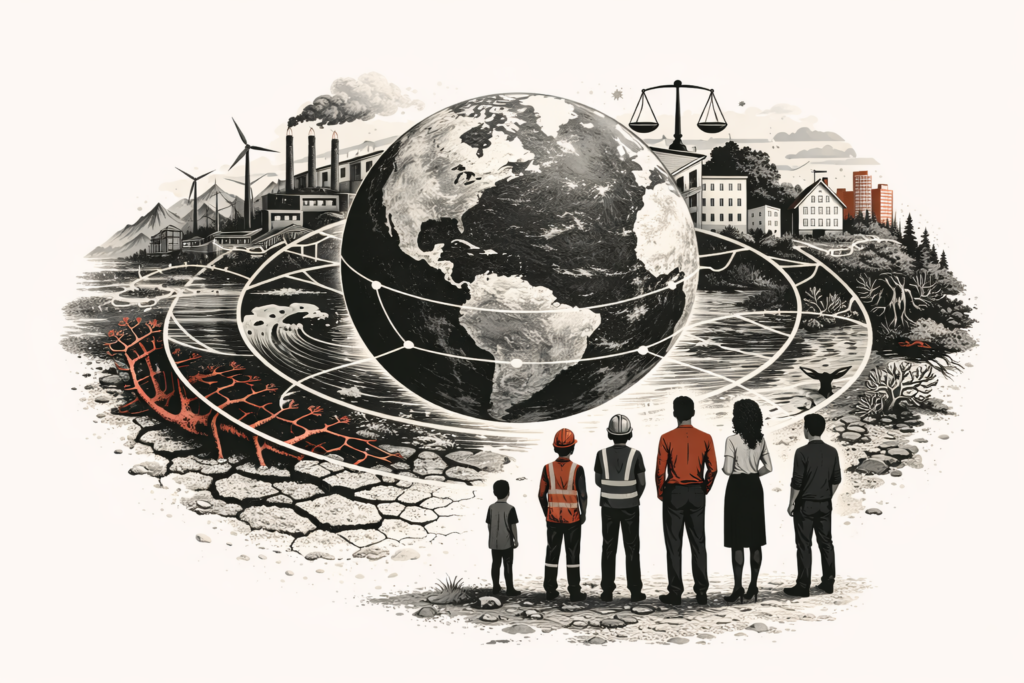
Planetary stewardship begins from the recognition that human societies now operate within an Earth system increasingly shaped by the cumulative effects of their own power. Climate change, biodiversity loss, freshwater disruption, ecological overshoot, and systemic environmental risk are not isolated problems but signs of a deeper civilizational condition in which technological scale, economic expansion, and institutional fragmentation have outrun the capacities required for long-term responsibility. This article examines planetary stewardship and civilizational responsibility as intertwined ethical and institutional challenges, arguing that durable futures depend on justice, restraint, intergenerational obligation, and the governance of shared planetary conditions rather than short-term management alone.