Formal Languages and Symbolic Representation: How Symbols Become Computable
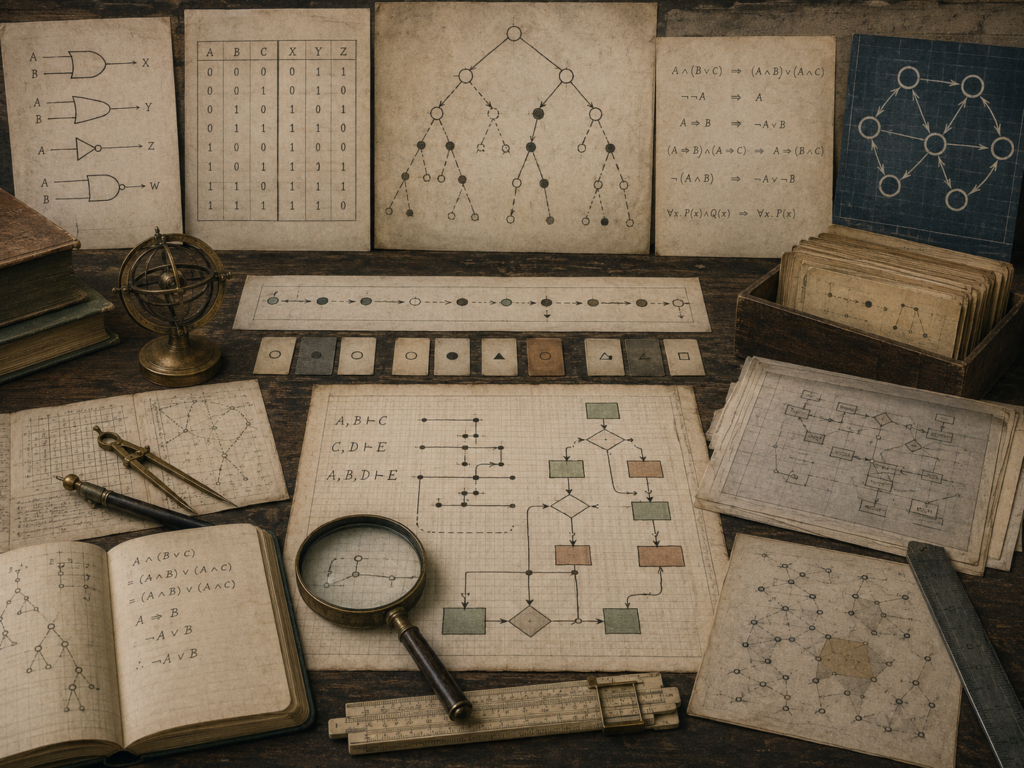
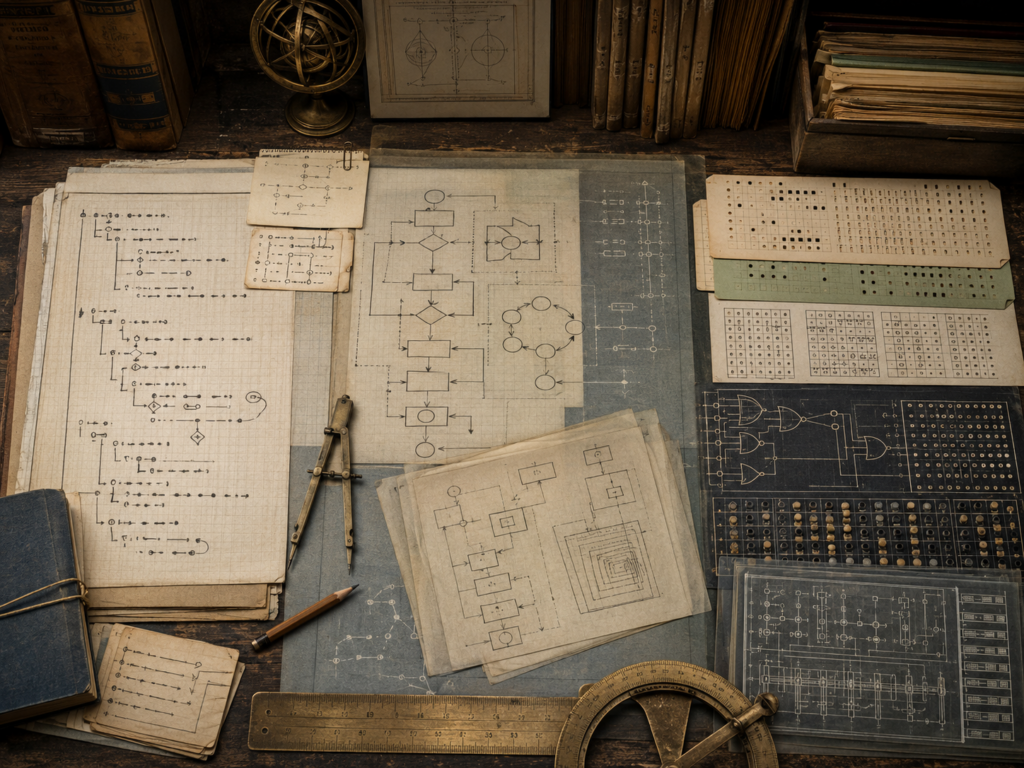
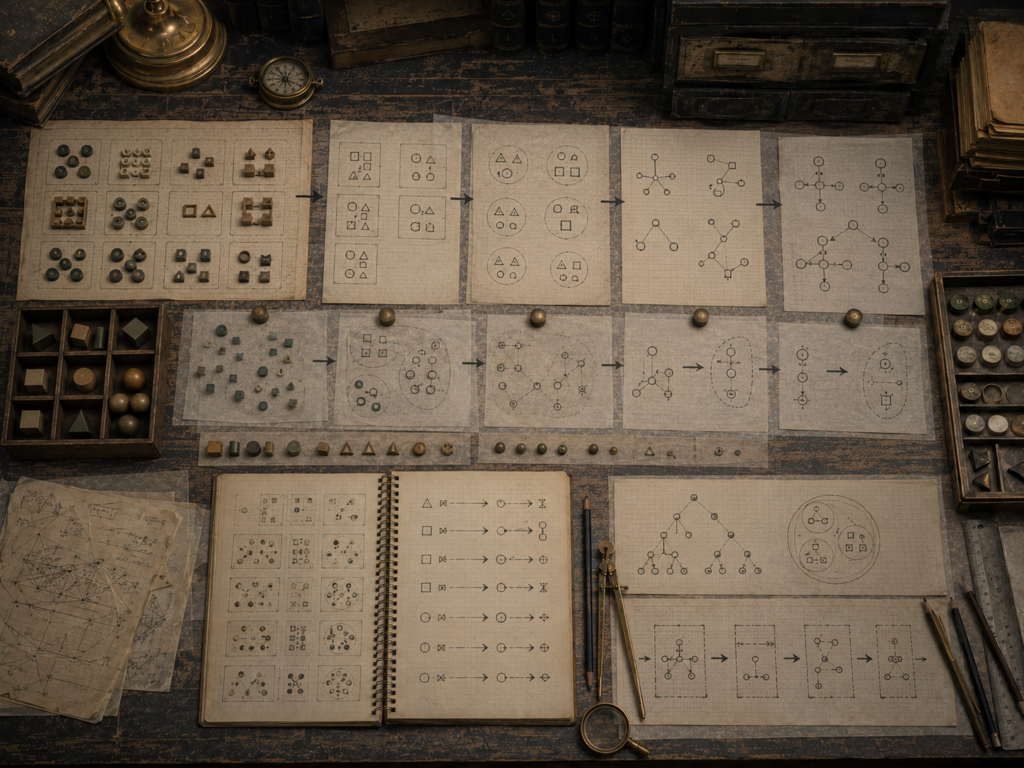
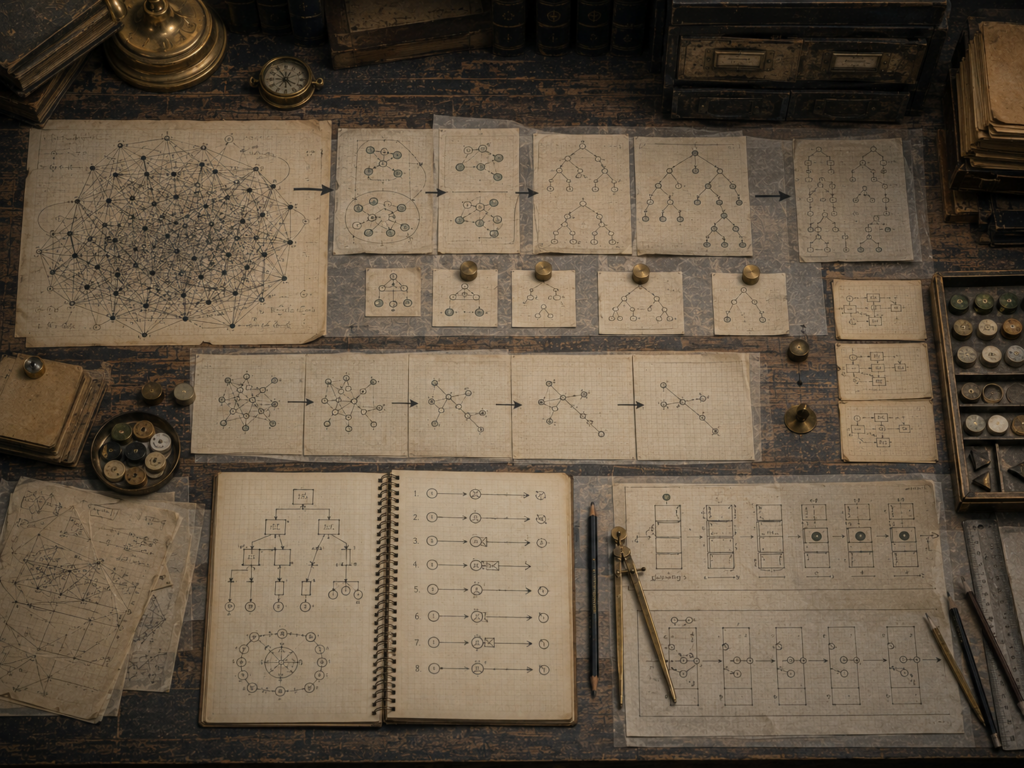
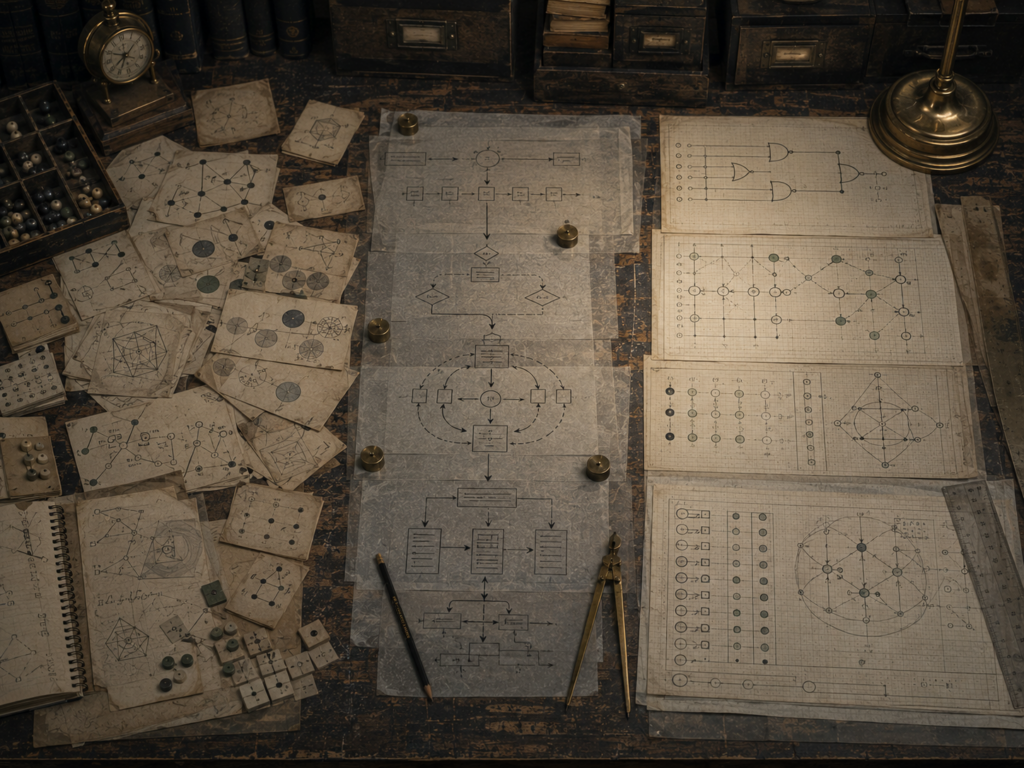
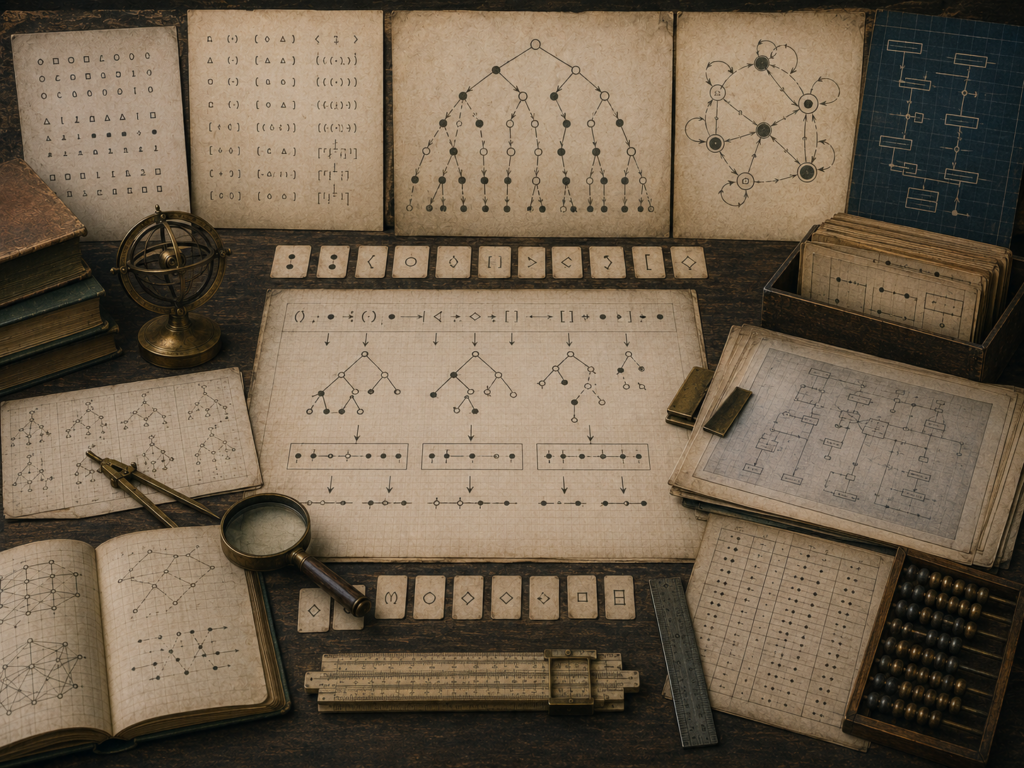
Formal languages give computation a way to represent structure precisely. A computer cannot work directly with vague intention. It works with symbols, strings, tokens, rules, expressions, encodings, grammars, syntax trees, schemas, instructions, and formally interpretable patterns. Formal languages make those structures explicit. This matters because computation is not only about numbers. It is also about representation. Programs, mathematical expressions, database queries, markup, regular expressions, logic formulas, type declarations, configuration files, data schemas, proofs, protocols, and machine instructions all depend on symbolic forms that can be parsed, checked, transformed, interpreted, or executed. This article explains alphabets, symbols, strings, languages, grammars, syntax, semantics, tokens, parsing, regular languages, context-free languages, schemas, compilers, interpreters, validators, symbolic reasoning, and responsible representation design across technical, scientific, educational, institutional, and public computational systems.