Complex Systems and Strategic Uncertainty
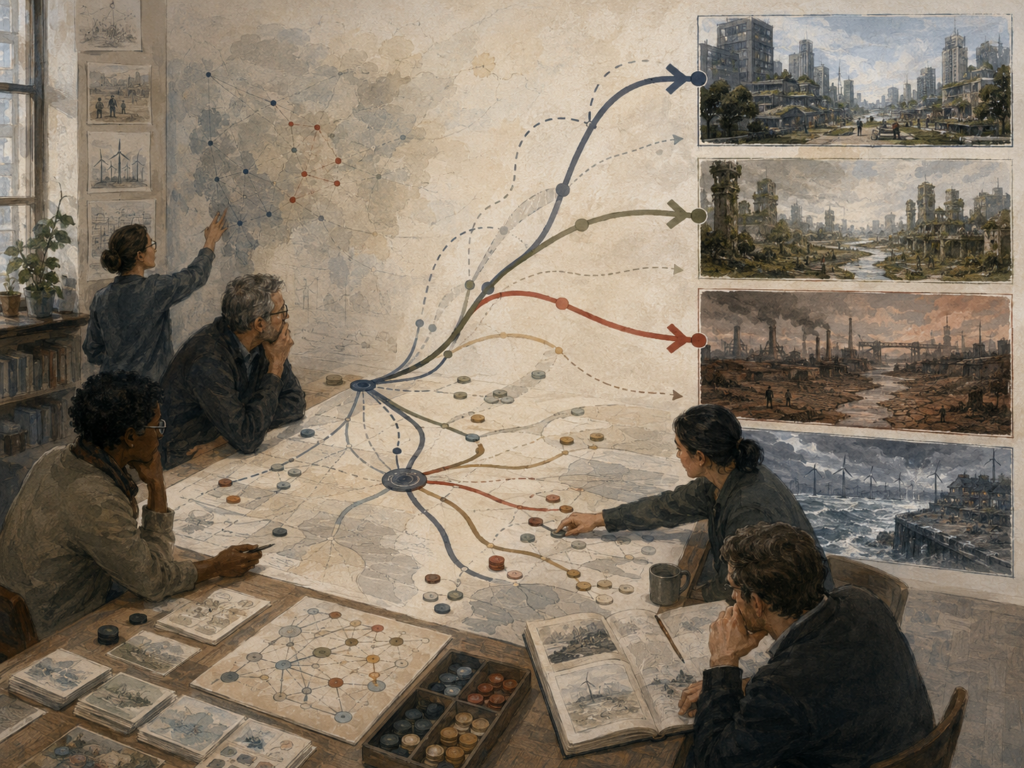
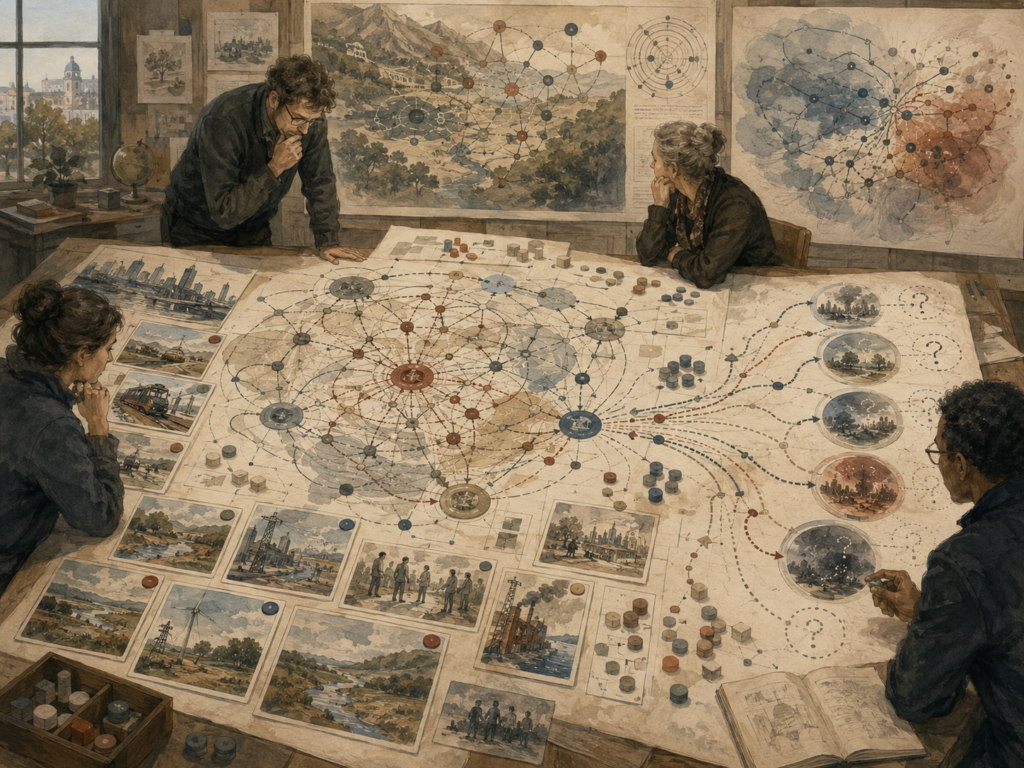
Complex Systems and Strategic Uncertainty examines environments where outcomes emerge from interaction, feedback, adaptation, and path dependence rather than from stable, linear chains of cause and effect. The article argues that strategic uncertainty in such settings is not merely a temporary lack of information, but often a structural property of the system itself, because the environment evolves as actors respond to one another and to the interventions made within it. It develops this through the distinction between complicated and complex systems, nonlinearity, recursive feedback, emergence, adaptive actors, historical lock-in, foresight, scenario reasoning, and the need for organizational sensing and revision. The article emphasizes that strategy in complex systems cannot rely on one forecast or one optimized plan, but must generate options that remain adaptive, resilient, and coherent as the terrain itself changes.