The Future of Well-Being Science
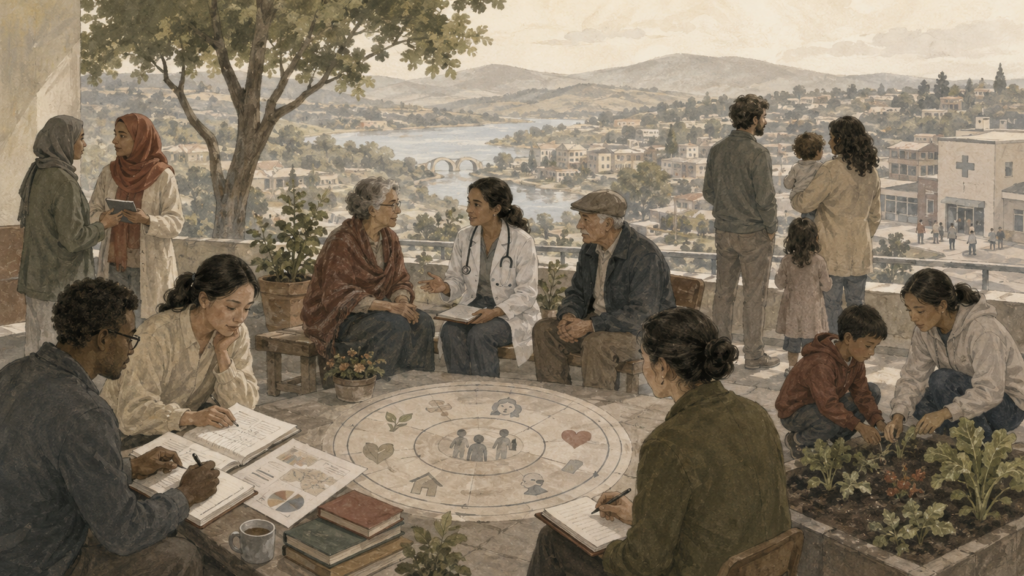
The future of well-being science lies in its transformation from a narrow study of happiness into a broader interdisciplinary inquiry into the conditions of human flourishing. This article examines how psychology, economics, public health, sustainability science, policy analysis, and data-intensive research are converging to reshape the field. It explores advances in measurement, the growing role of well-being frameworks in governance, the integration of flourishing with sustainable development, and the ethical challenges that arise when well-being becomes a target of institutional design. The result is a more expansive view of well-being science as a systems-oriented field concerned not only with how life feels, but with the social, ecological, and institutional conditions that make durable flourishing possible.