Divergent vs Convergent Thinking: How Strategy Balances Ideas and Decisions
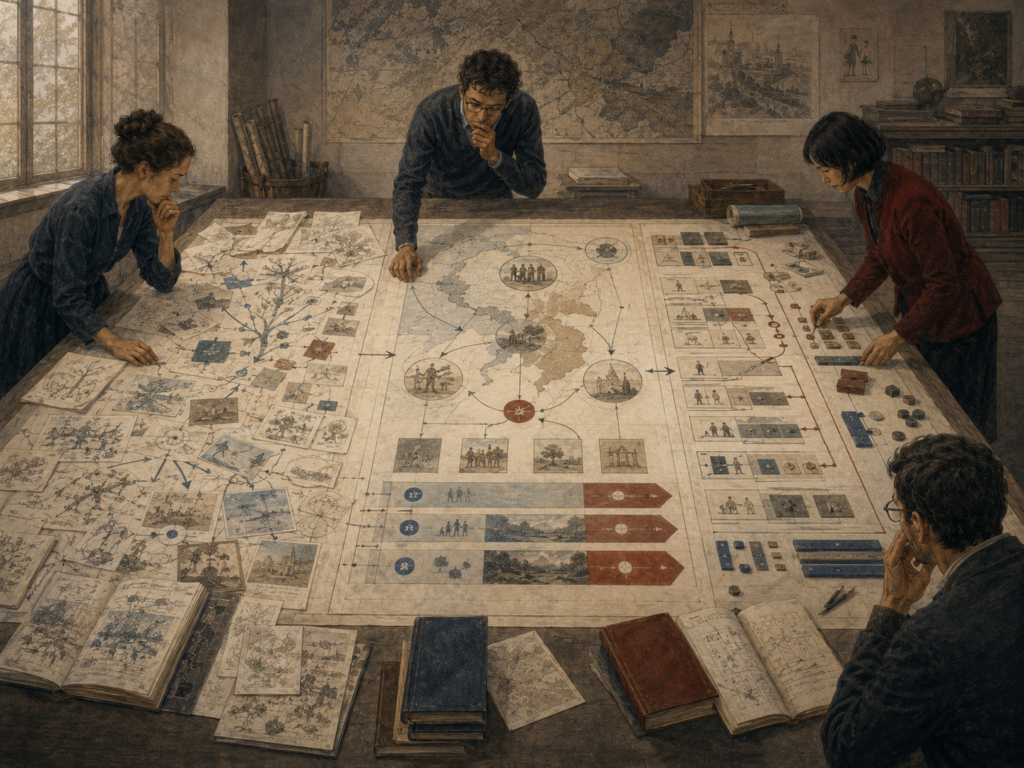
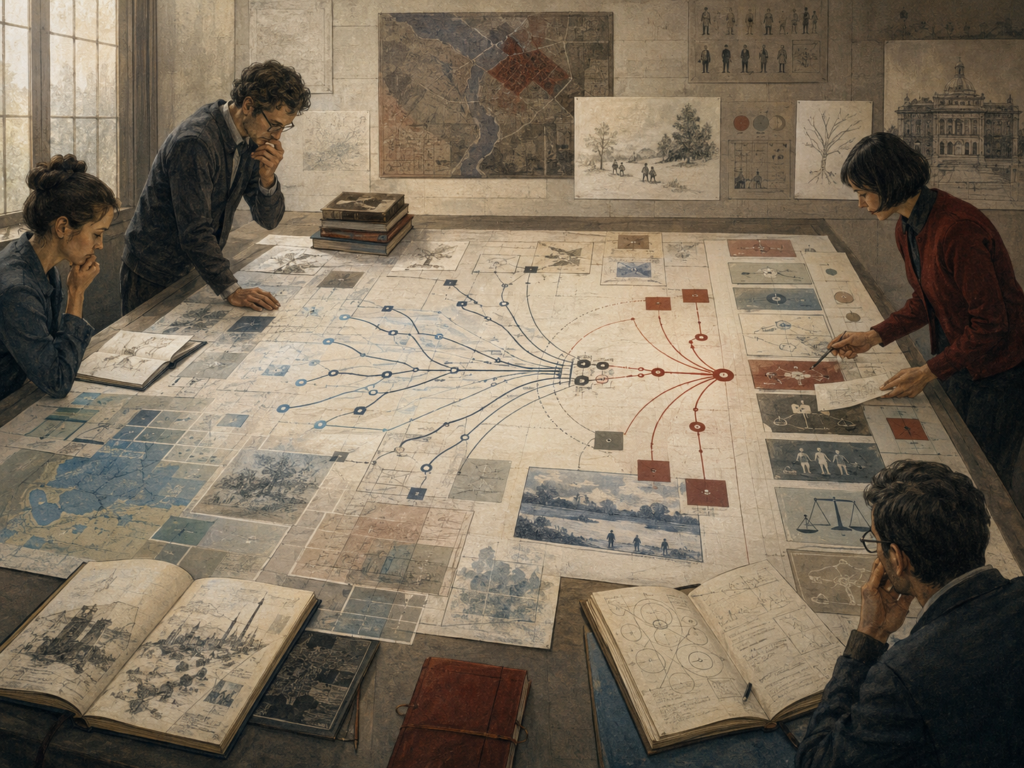
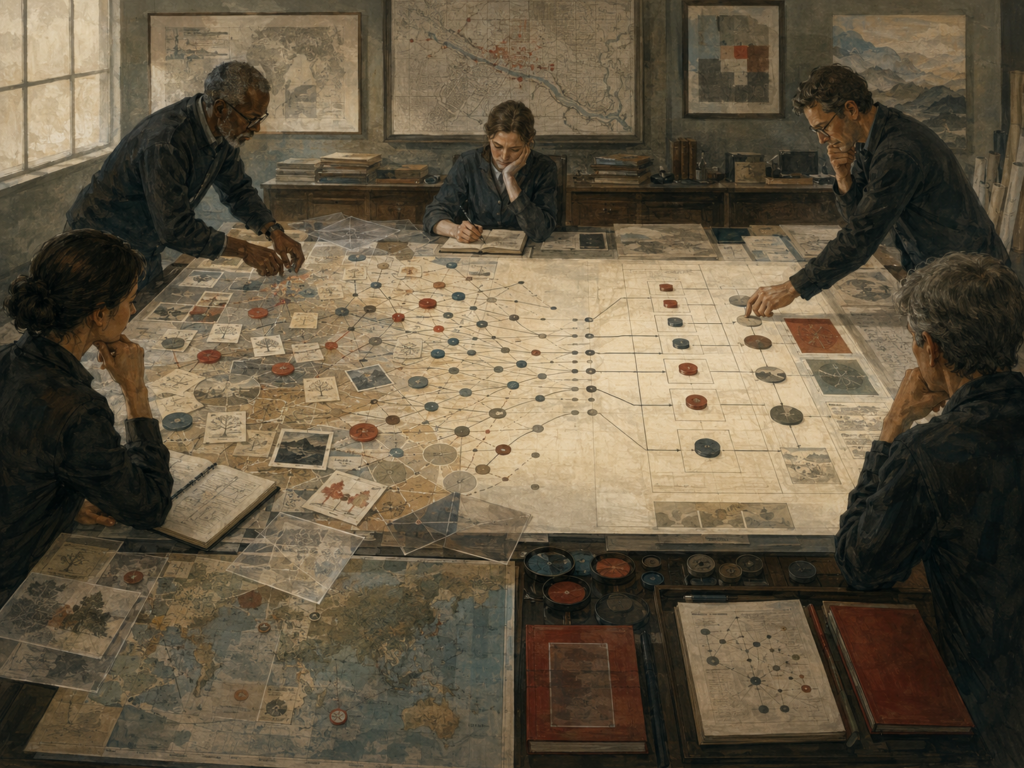
Divergent and Convergent Thinking examines the two complementary cognitive modes that make strategic ideation workable: one expands the space of possibilities, and the other reduces that space into viable commitment. The article argues that complex problems cannot be solved through analysis alone because they require exploration before judgment, plurality before selection, and recursive movement between generative and evaluative modes. It develops this through Guilford’s account of divergent production, Cropley’s defense of convergent thinking, March’s exploration–exploitation framework, the role of constraints, iterative cycles of design and strategy, organizational conditions, and common failure modes such as premature convergence or unbounded divergence. The article emphasizes that effective strategy does not choose between creativity and discipline, but learns how to orchestrate both in sequence so that possibility can become direction without collapsing too early into habit.