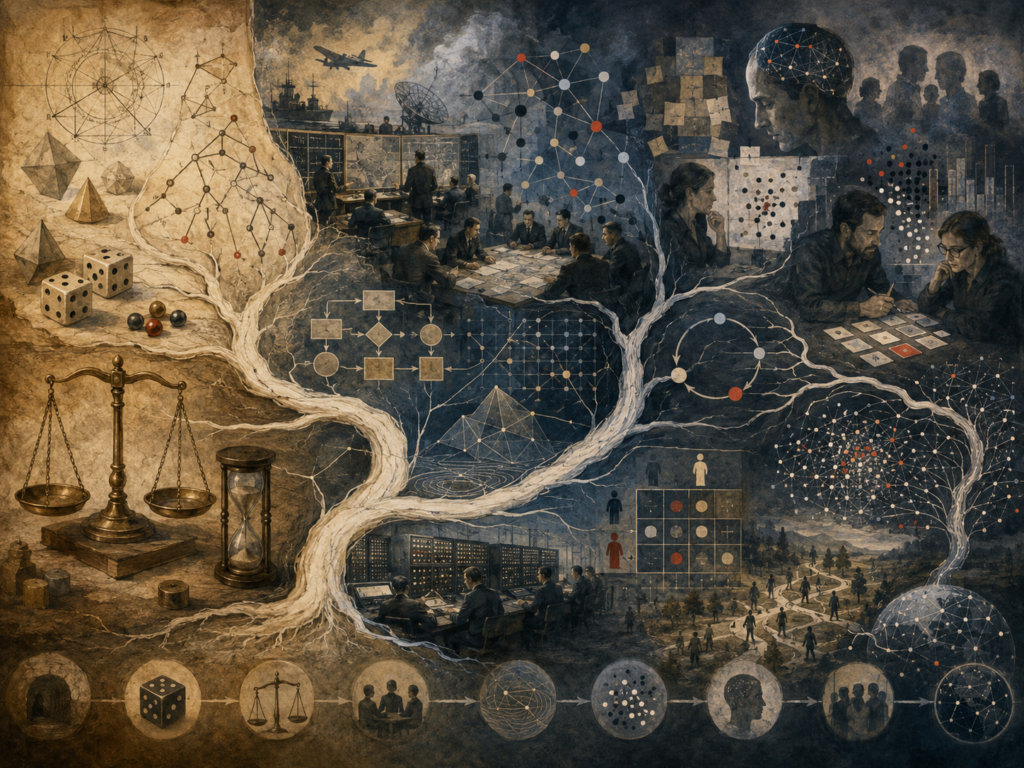
The History of Decision Science
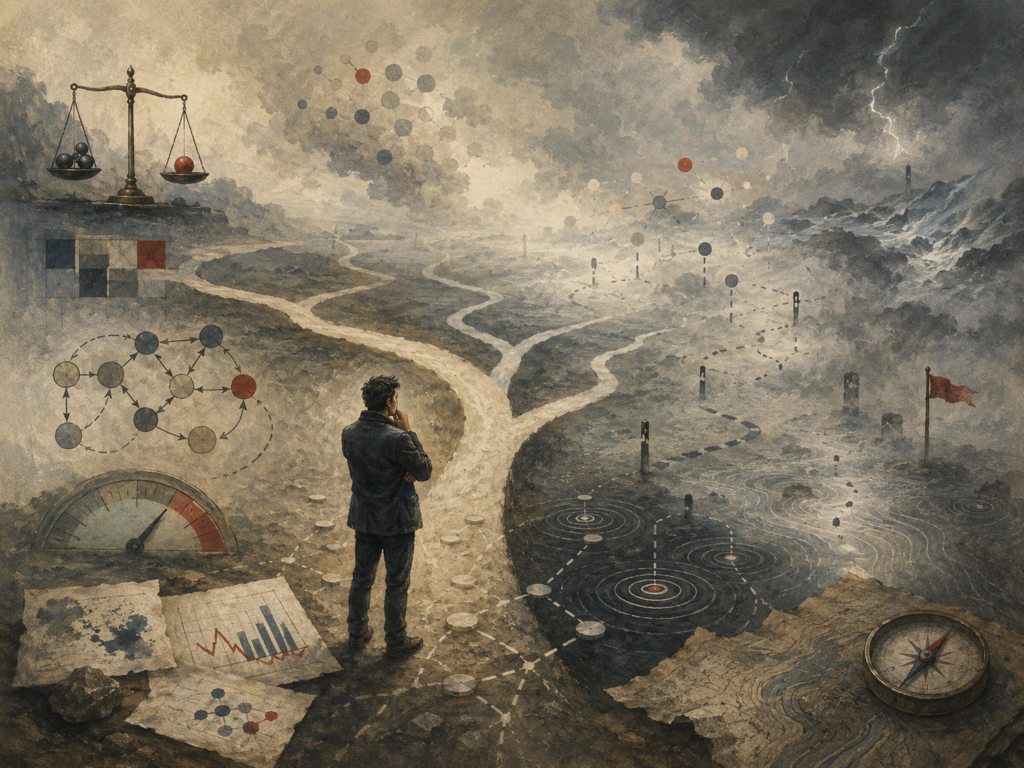
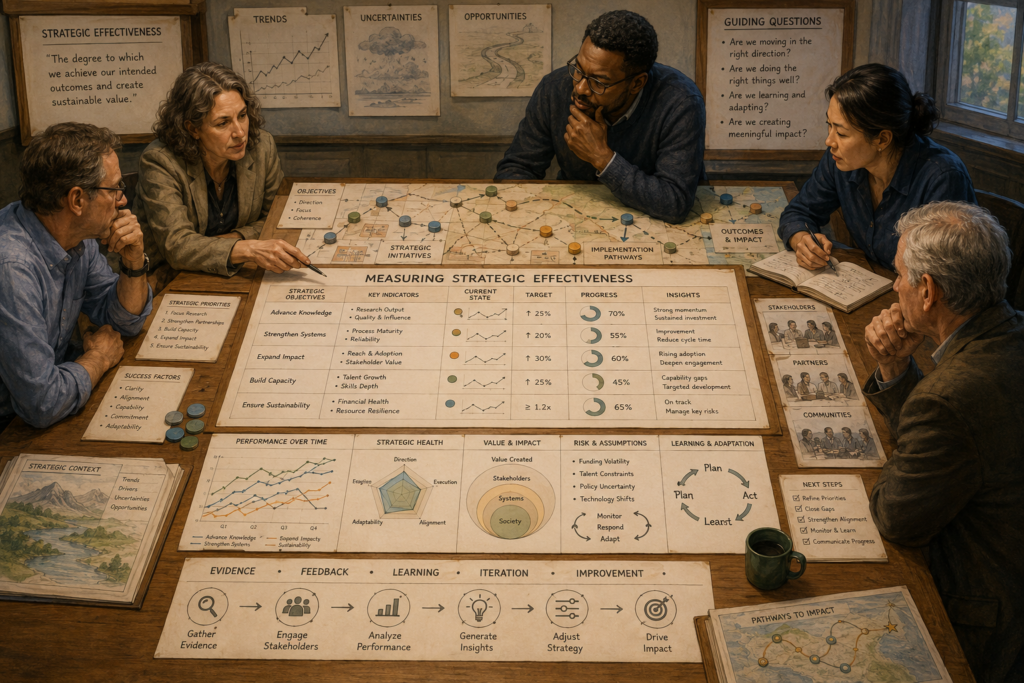
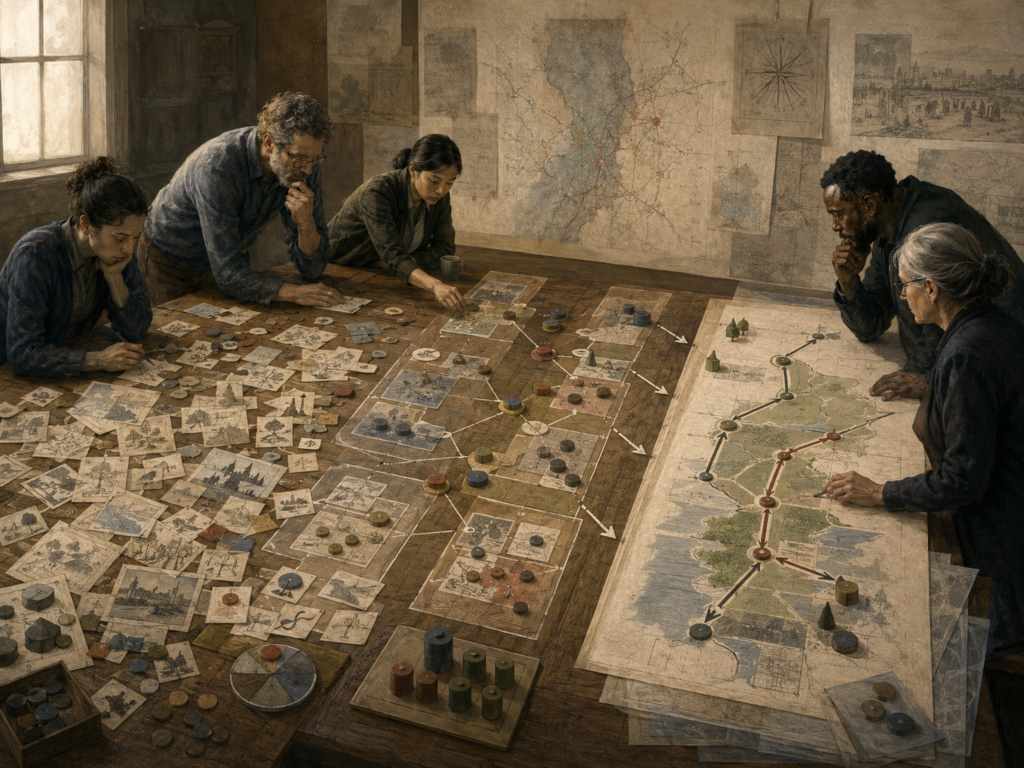
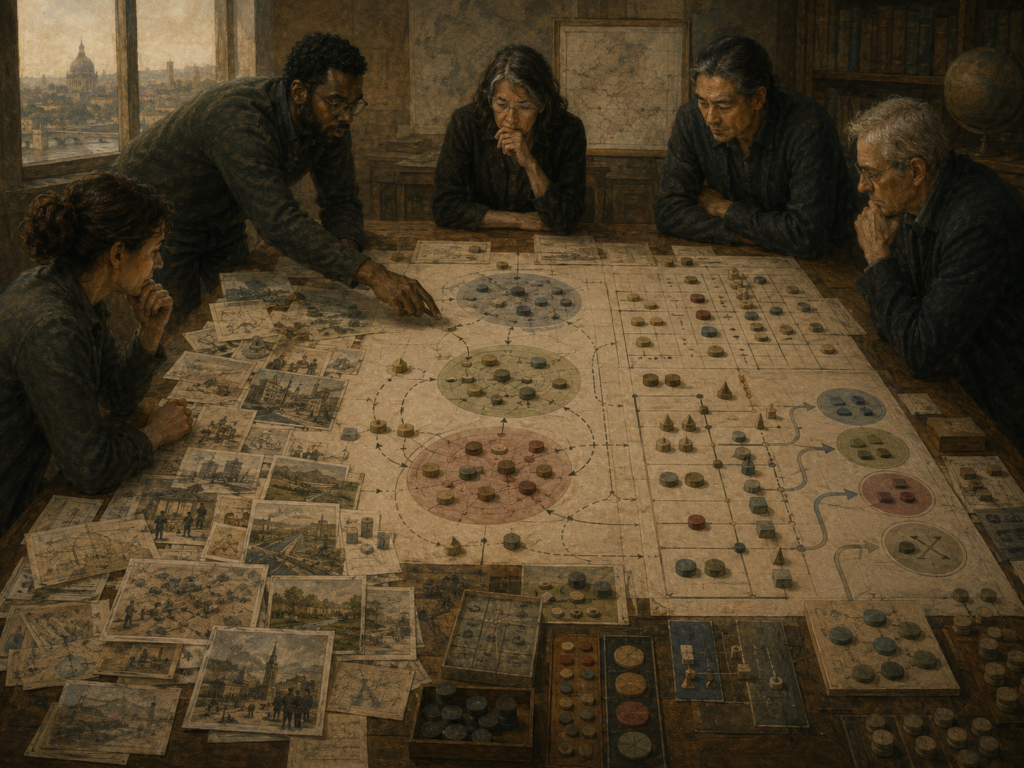
Decision science emerged through the convergence of probability theory, economics, psychology, operations research, and systems thinking into a field devoted to improving choice under uncertainty. What began with early efforts to model chance and rational valuation expanded through expected utility, Knight’s distinction between risk and uncertainty, the rise of operations research during World War II, and the formalization of decision analysis at Stanford. Later developments in bounded rationality, heuristics and biases, behavioral economics, and systems modeling challenged narrow optimization-based views of human choice. More recently, robust decision-making has extended the field further by emphasizing resilience across uncertain futures rather than precision under fragile assumptions. The history of decision science therefore reveals a gradual shift from abstract rational choice toward a broader, more realistic framework for judgment, adaptation, and structured decision-making in complex worlds.