Debt, Dependency, and Global Financial Order
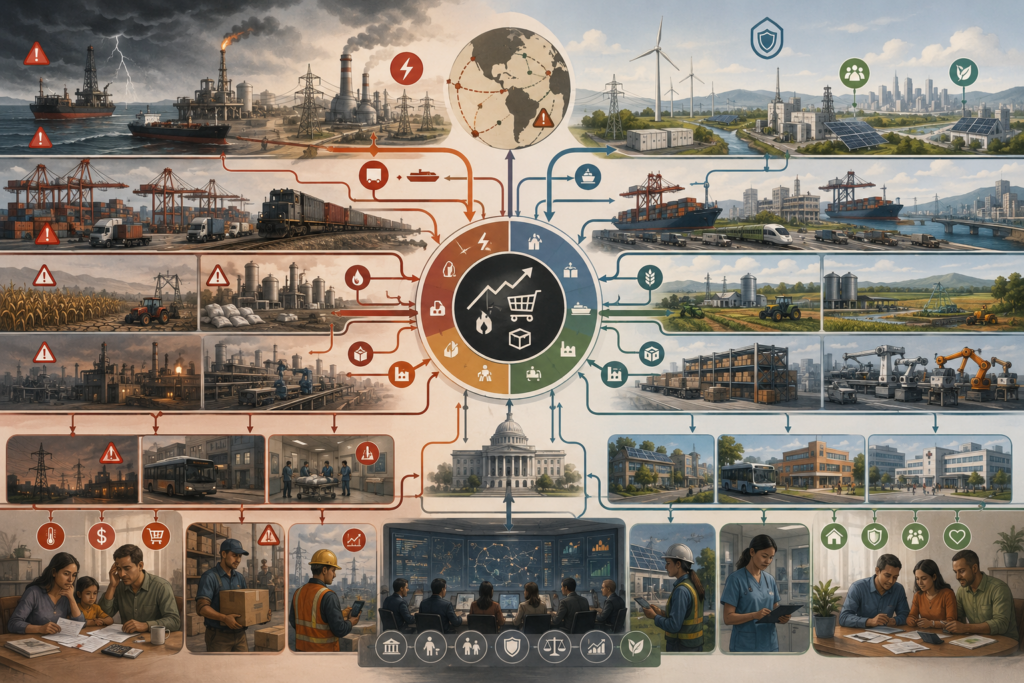
Debt, dependency, and global financial order are central to economic analysis because development is shaped not only by production and trade, but by the monetary and financial terms on which societies secure time, imports, and investment. This article examines debt as both a financial instrument and a political relationship, showing how external borrowing can support infrastructure, industrialization, and public capacity in one phase while later narrowing sovereignty through debt service, currency mismatch, refinancing risk, and external discipline. It explores dependency as a structural condition produced through foreign-currency borrowing, narrow export bases, imported technology, and externally constrained policy space, and explains how the wider global financial order distributes borrowing power unevenly through reserve-currency hierarchy, sovereign-bond markets, multilateral institutions, legal regimes, and creditor influence.