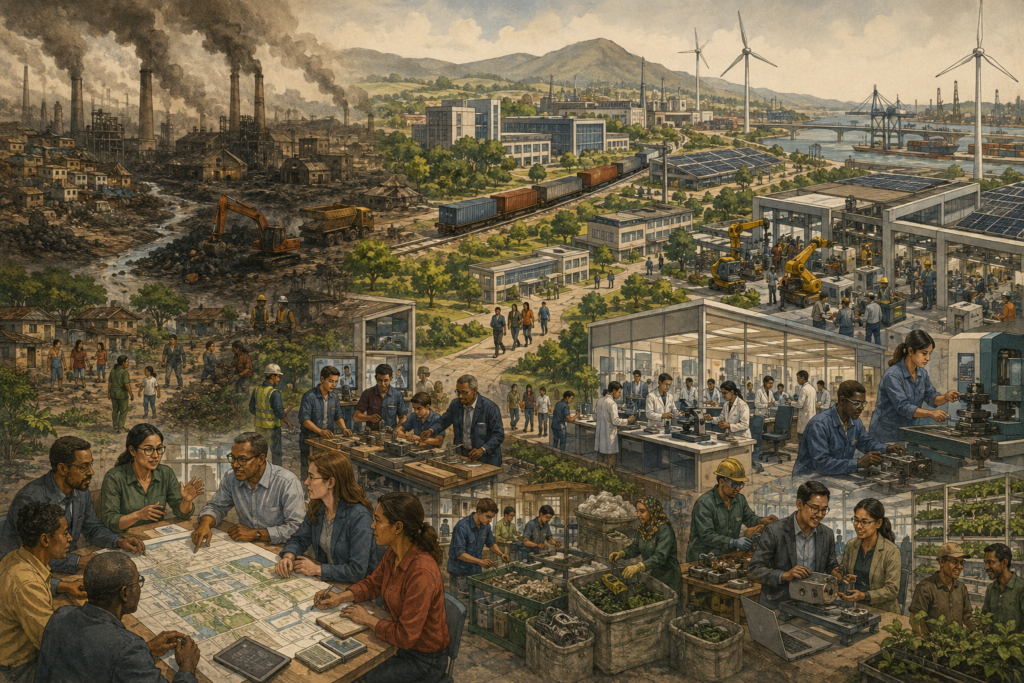
Industrial Policy and Sustainable Structural Transformation
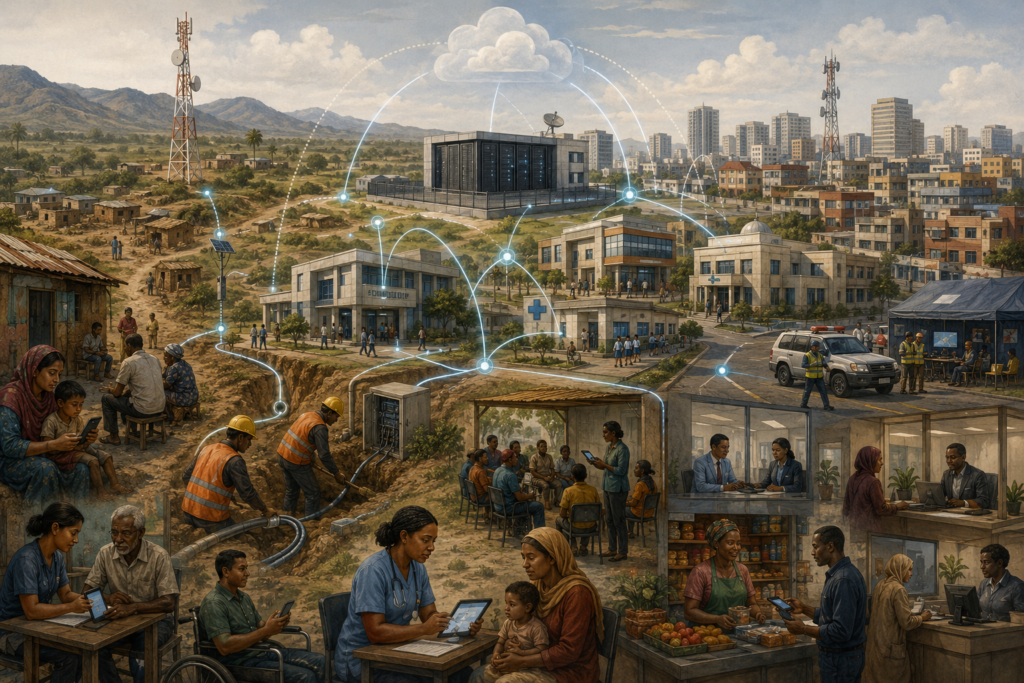
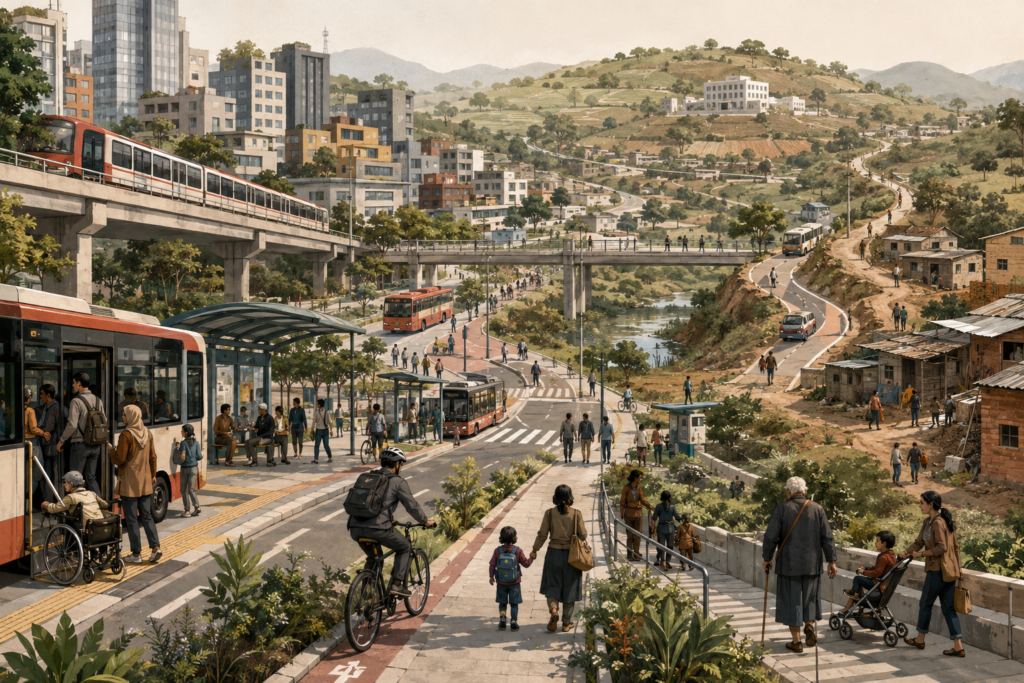
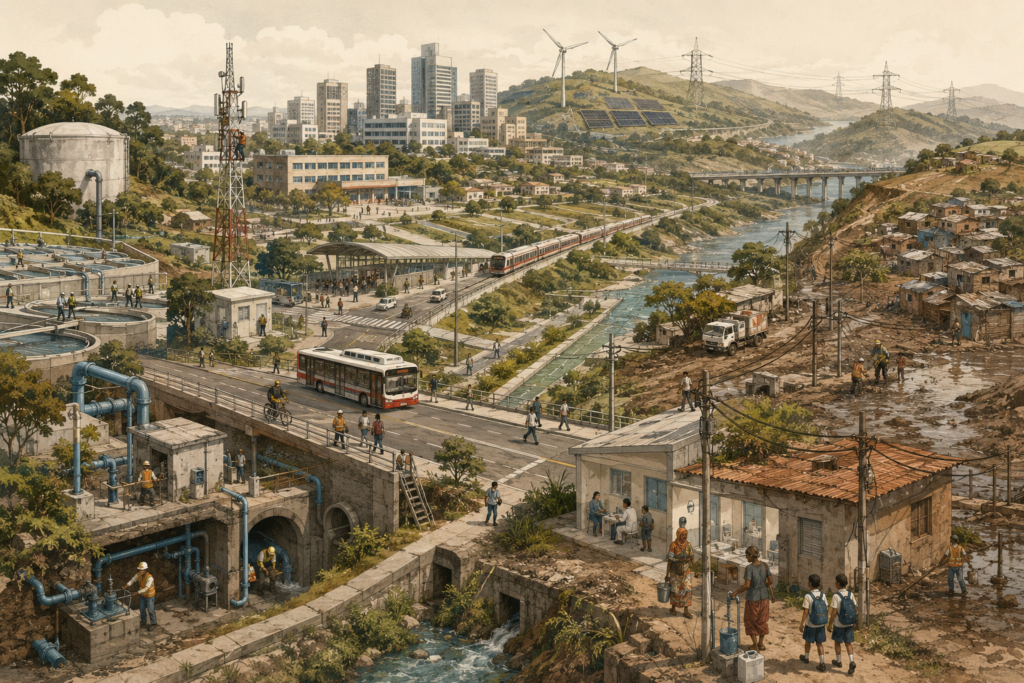
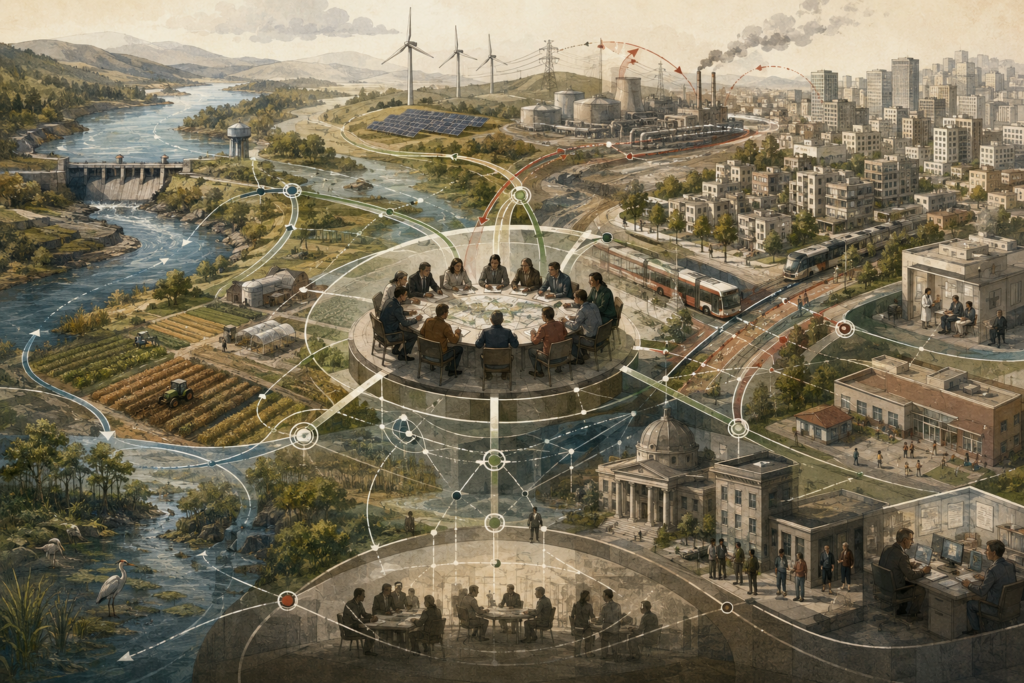
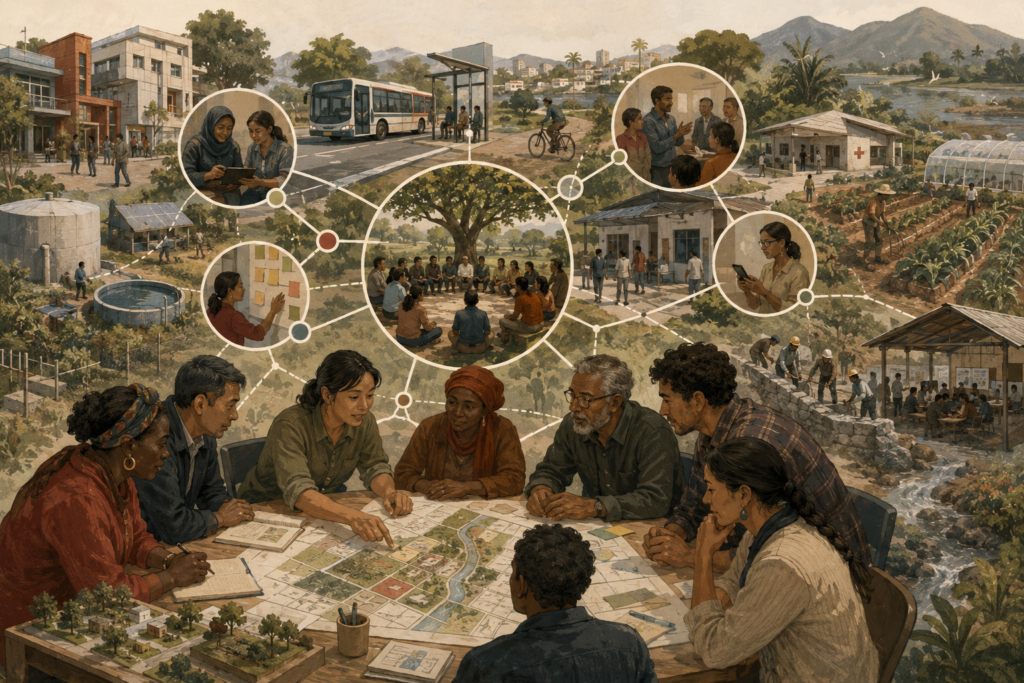
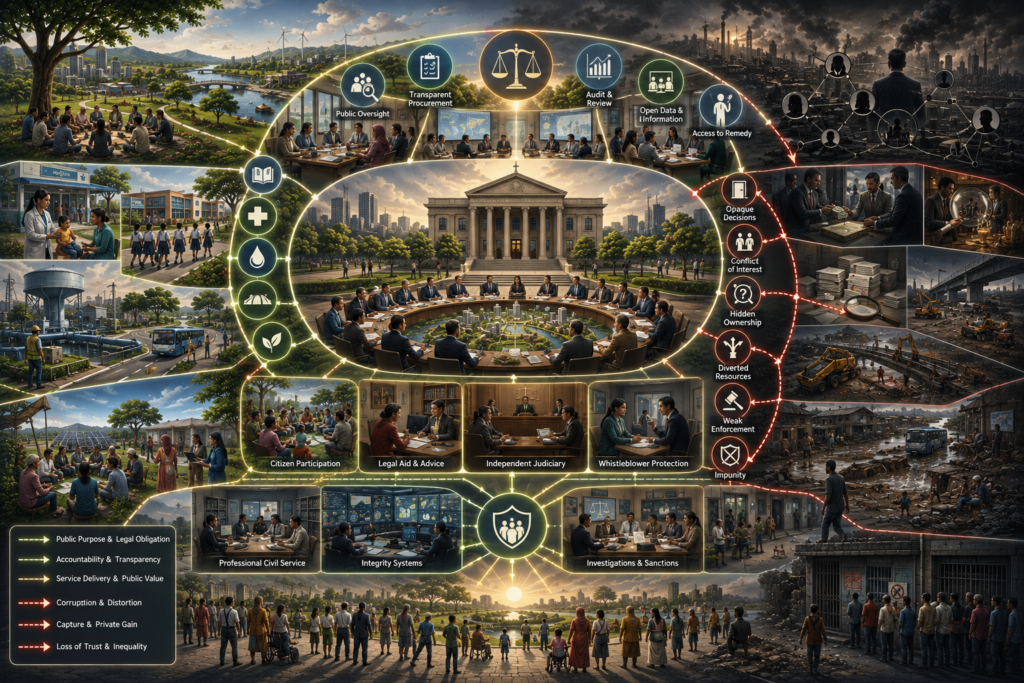
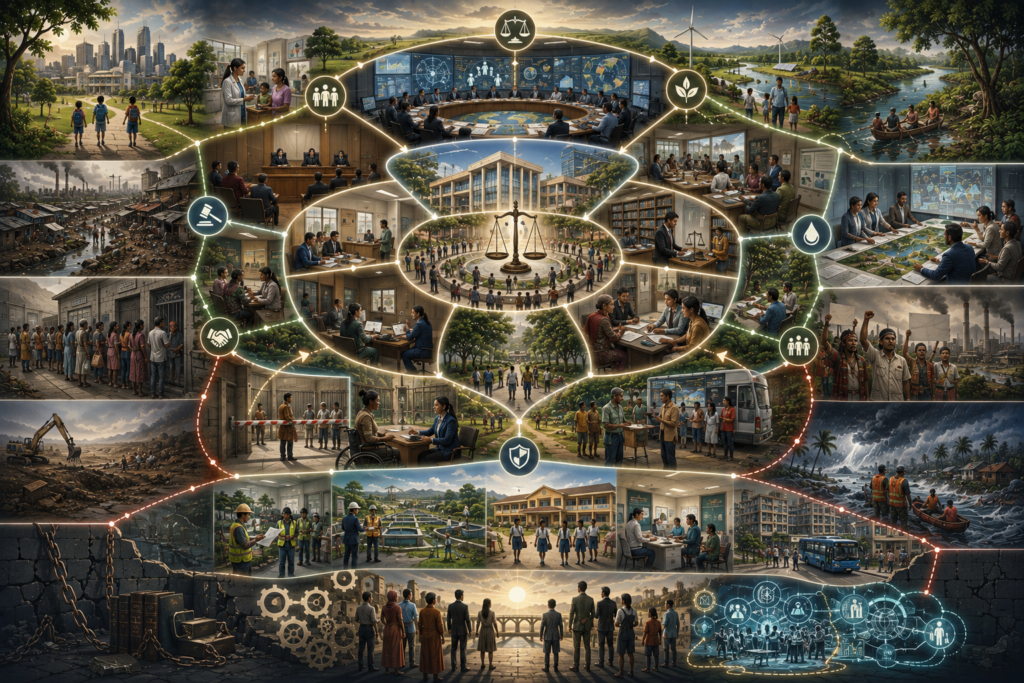
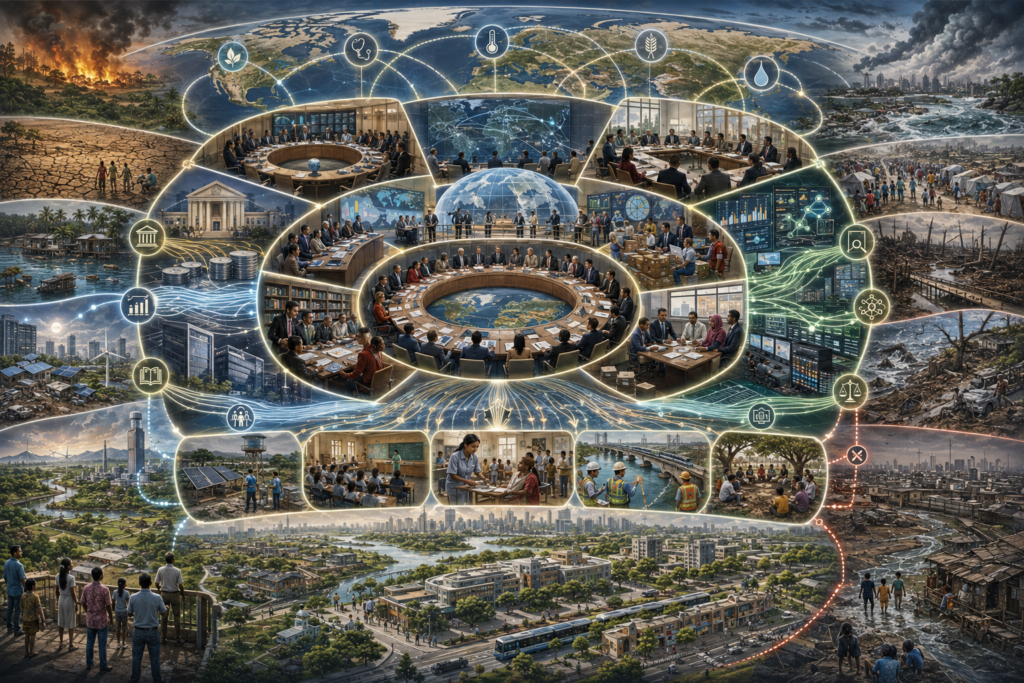
Industrial policy and sustainable structural transformation examines why development depends not only on growth, but on whether economies build more complex, higher-capability, more resilient, and more sustainable productive structures. The article argues that industrial policy is not merely state intervention or support for selected sectors. It is a strategic effort to shape productive ecosystems through infrastructure, skills, standards, technological learning, coordination, and green transition planning. It explores the difference between growth and structural change, the role of productive capabilities and industrial ecosystems, the territorial unevenness of transition, the importance of state capacity and policy discipline, and the risks of lock-in when strategic choices fail. The core claim is that sustainable development requires industrial systems that are not only more productive, but also more inclusive, more adaptable, and more ecologically credible across time.