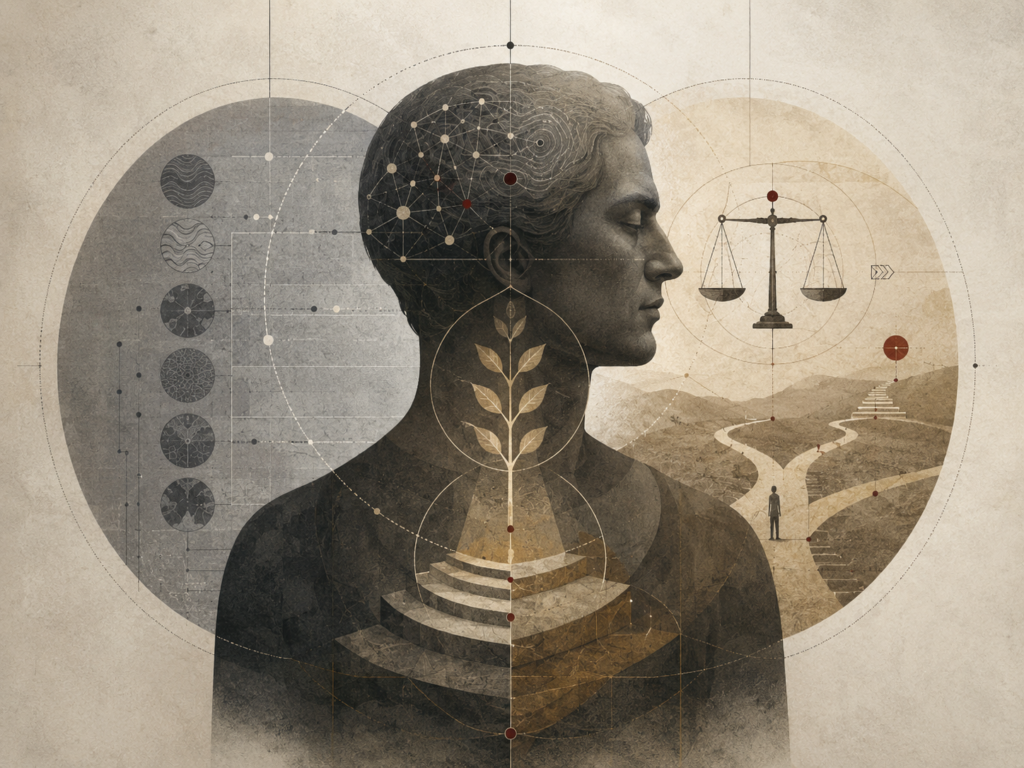
Traits, Character, and Moral Evaluation
Traits and character are often treated as if they were the same, but they name different levels of analysis. Traits describe relatively enduring patterns in thought, feeling, and behavior. Character usually adds moral evaluation, asking what those patterns mean in relation to honesty, fairness, courage, integrity, vice, and responsibility. This article examines how descriptive personality science relates to the older normative language of character, showing why the distinction matters for moral psychology, virtue ethics, and contemporary personality research. It argues that personality traits can inform the study of character without exhausting it, because character involves not only stable tendencies but the ethical interpretation of those tendencies under standards of virtue, vice, trustworthiness, and human flourishing.
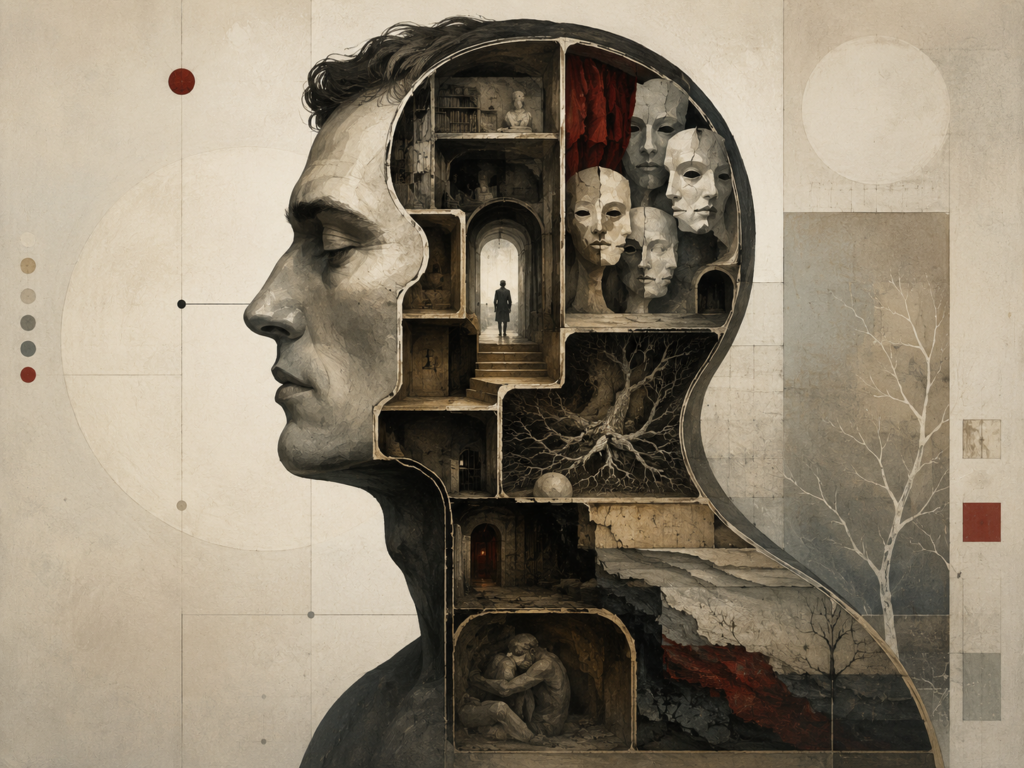
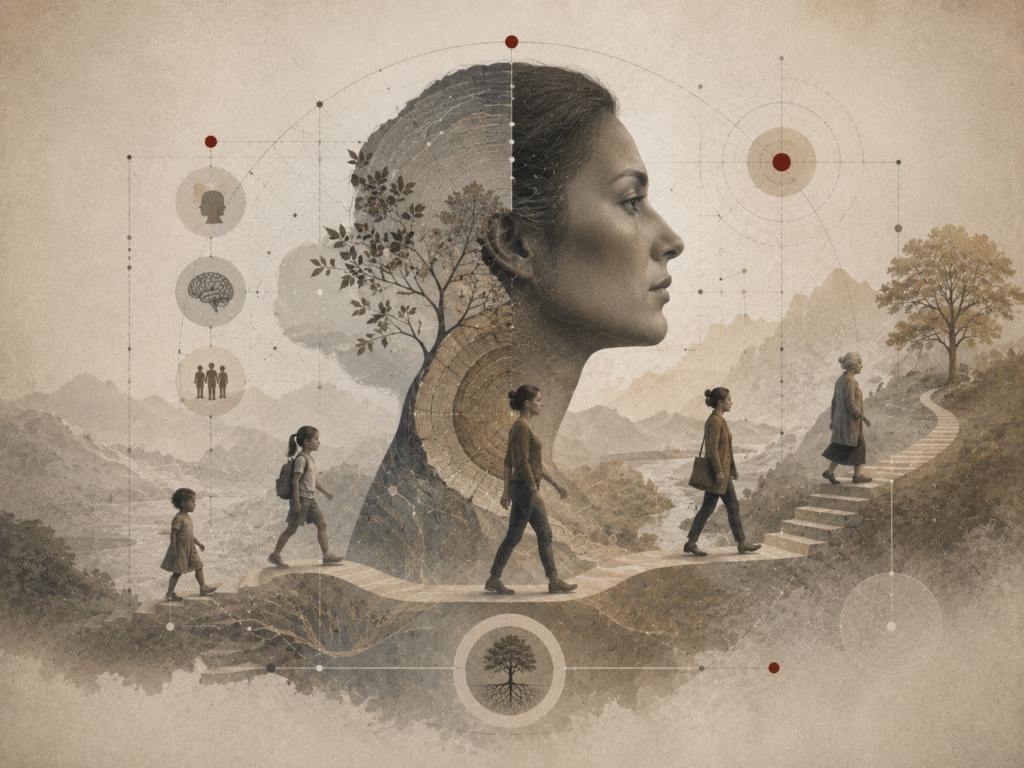
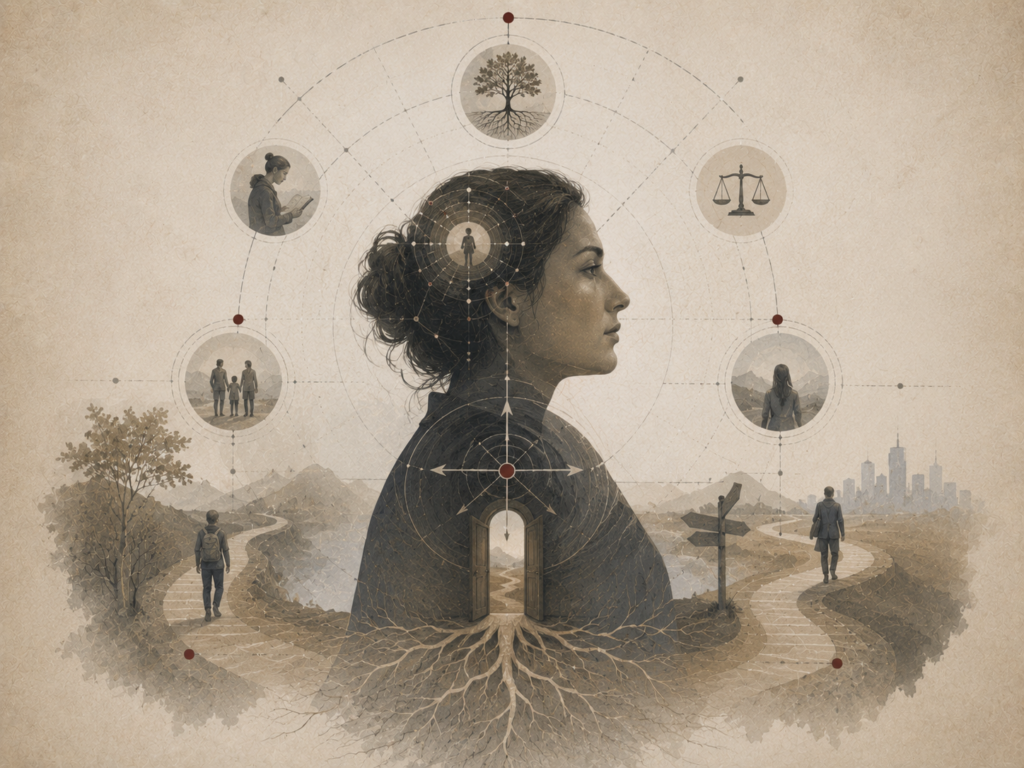
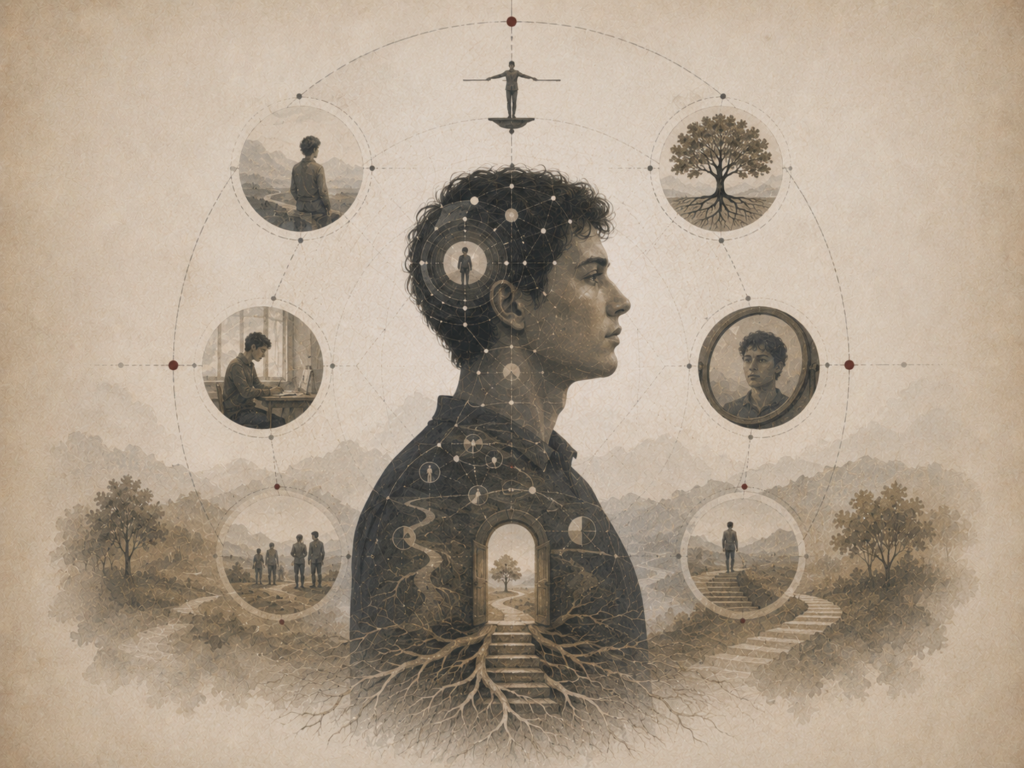
Image Alt Text: Conceptual editorial illustration representing the relationship between descriptive personality traits, character structure, and moral evaluation