

Institutional capacity and aid effectiveness concept image illustrating poverty traps and development constraints.

Institutional Capacity and the Limits of Foreign Aid

Institutional capacity is the difference between temporary relief and self-sustaining development. Foreign aid can finance urgent needs, save lives, support public health, expand education, stabilize crises, and help countries overcome poverty traps. But aid cannot permanently substitute for the institutions required to govern, finance, deliver, maintain, and adapt public systems over time. This article examines foreign aid as an Institutions & Governance problem, asking when external assistance strengthens domestic capacity and when it creates dependency, parallel administration, donor fragmentation, or weakened accountability. It argues that durable development depends less on aid volume alone than on whether aid builds fiscal systems, public administration, service delivery, local ownership, sovereignty, legitimacy, and long-term public trust. Aid works best as temporary scaffolding: support that helps societies build institutions strong enough to make aid less necessary over time.
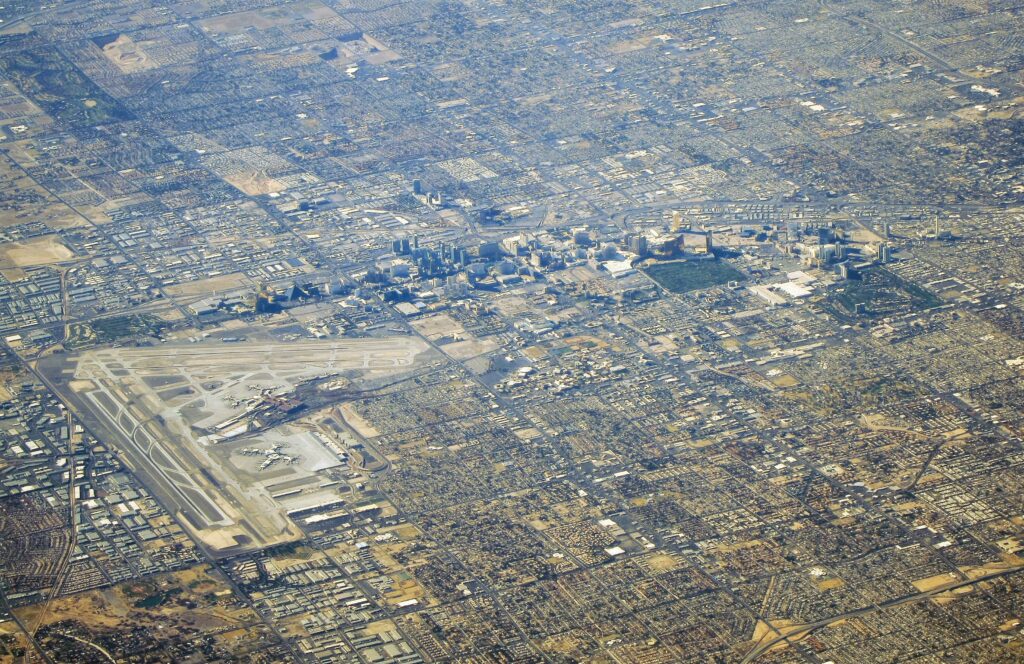
Beyond GDP and economic growth vs development — city skyline representing economic output without measuring social wellbeing

Beyond GDP Development: Measuring Prosperity as a Systems Outcome

Beyond GDP Development: Measuring Prosperity as a Systems Outcome argues that economic output is too narrow to serve as a full measure of development because societies do not prosper through production alone, but through the interaction of human capability, institutional quality, distribution, and ecological stability. The article reframes the beyond GDP debate by showing that GDP remains useful as an indicator of economic activity, yet becomes misleading when it is treated as a proxy for overall wellbeing or long-run progress. It explores the limits of GDP, the capabilities approach and human-development tradition, the role of institutions and inequality, and the need for a broader measurement architecture that captures whether growth is actually strengthening the systems that make prosperity durable. Its central claim is that development should be measured not as output alone, but as a systems outcome.

Scroll to Top