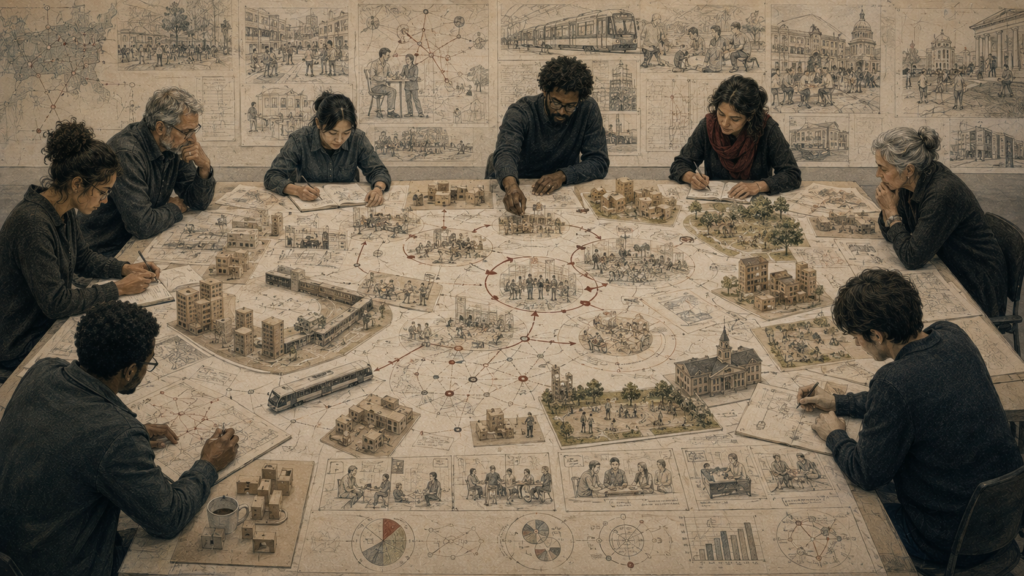
Design Thinking in Public Policy
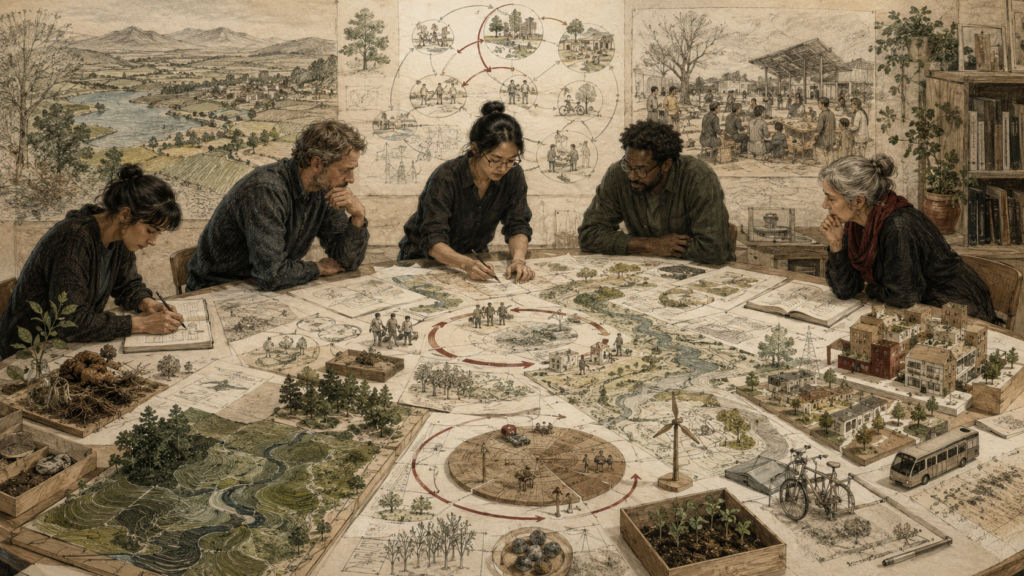
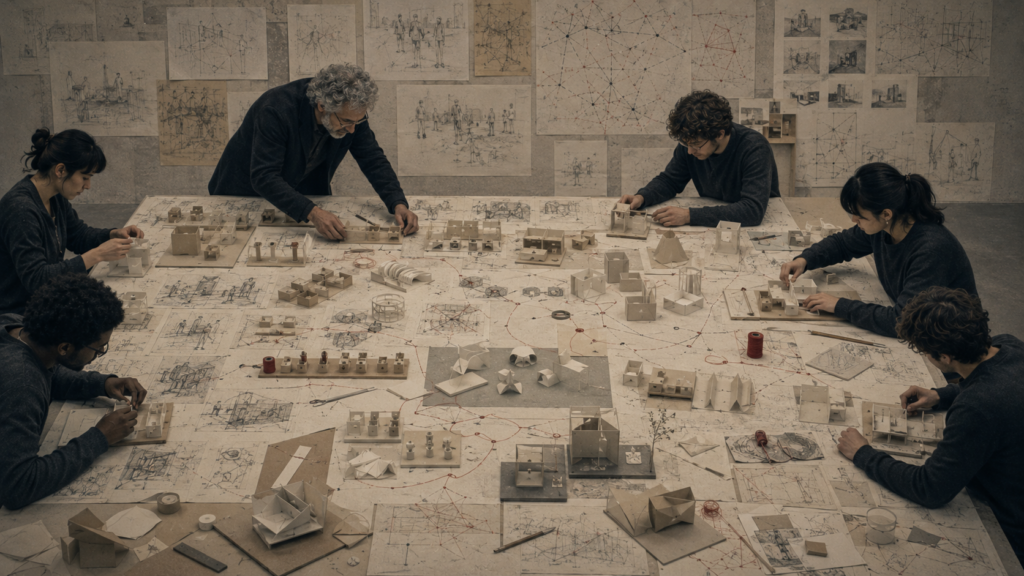
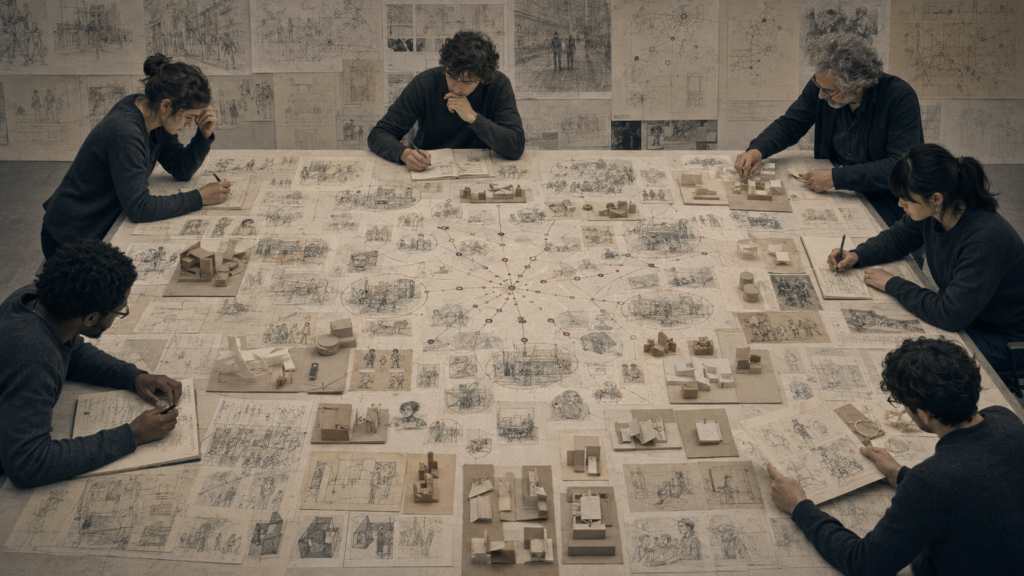
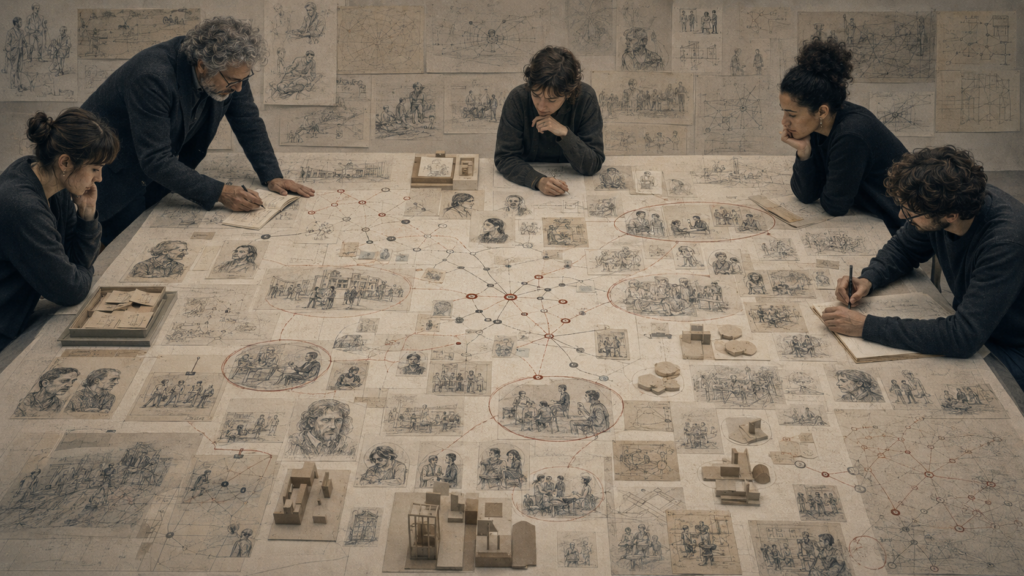
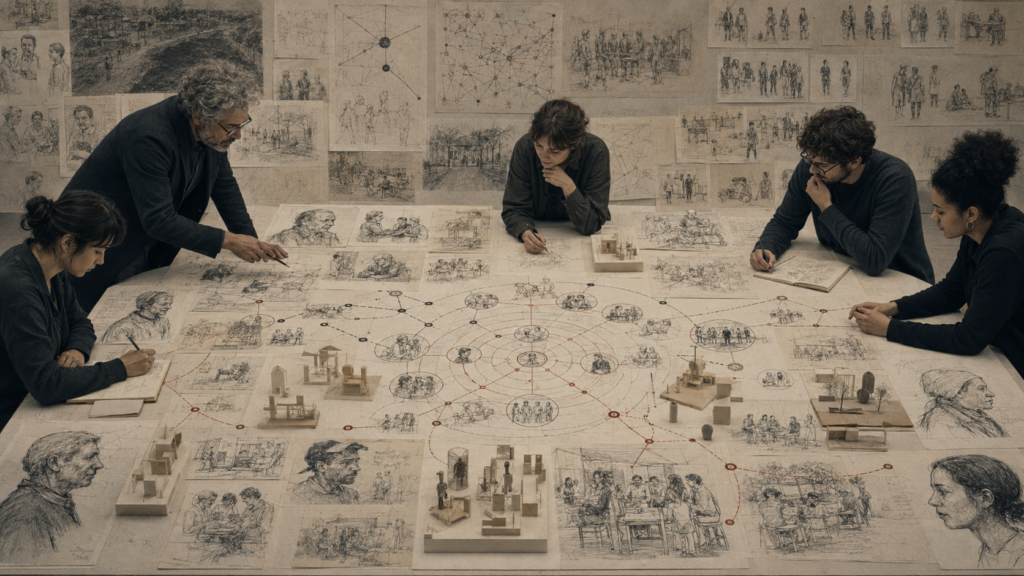
Design Thinking in Public Policy examines how human-centered design methods can improve the development, testing, and implementation of public programs, services, and regulatory systems. The article argues that policy failure often arises not only from political disagreement or weak analysis, but from poor problem framing, inaccessible service design, hidden administrative burdens, and insufficient attention to lived experience. It situates design thinking within the complexity of government, connects it to systems thinking, behavioral insights, democratic governance, and institutional learning, and addresses the ethical and political limits of applying design methods to public life. It also includes a mathematical lens for modeling public-policy trade-offs, along with advanced R and Python workflows for evaluating policy pilots, comparing competing public priorities, and analyzing uncertainty before large-scale implementation.